
May is when the vegetable garden is readied for summer, with all your cropping plans finally set in motion with the promise of abundant, tasty produce in a few weeks.
If it has not been possible to sow seeds outdoors yet, most hardy crops will still do well if sown now; beetroot, broad beans, cabbages, calabrese, carrots, cauliflower, chard, lettuce, peas, radish, rocket, salad onions, spinach and even the rather slow-growing parsnips.
Leeks too are slow – ideally buy plants for this invaluable crop. Bulb onions move from leafy growth to swelling some time from May in response to increasing day length, and buying plants will give better results than sowing now. For pickling onions, May sowing will produce the little bulbs you need.
Sowing Brussels sprouts now will be disappointing – buy young plants for planting in late May. Garden centres offer hybrids that are more reliable than older or open-seeded cultivars.
Late May is the ideal time in most regions to sow crops for next autumn and winter harvest, including cabbages and cauliflowers with sprouting broccoli and over-winter cauliflowers for spring-cutting. Potatoes too will thrive from May planting, although the earlier planting the better.
Sweet potato slips (cuttings) are planted at the end of the month when it’s warmer. The plants don’t tuberise until days grow short in early Autumn.
If allotment holders put the word out that they are short of plants, some generally appear.
Once soil temperatures reach about 10°C – generally by mid-May in the south – French and runner beans can be sown where they are to grow. Sweetcorn too will do well sown from mid-May.

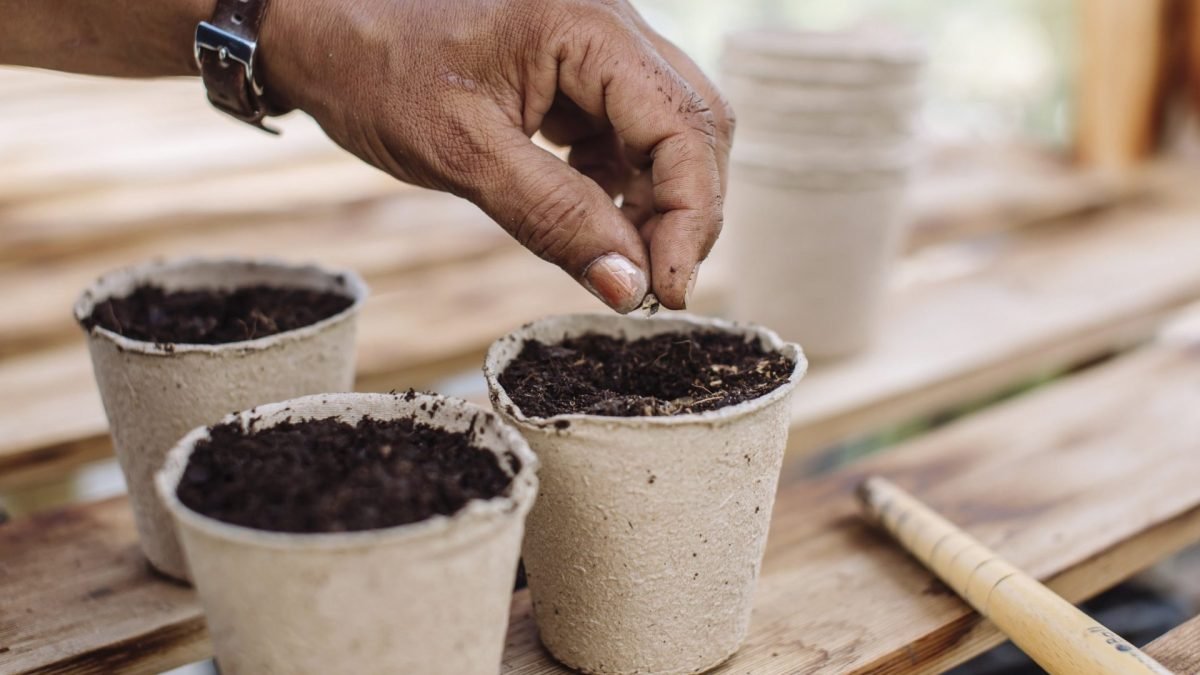
If raising plants in pots or celltrays is preferred, sow at any time before June. Generally, plants sown in their final position will grow better roots and need less watering than pot-raised ones, although there is not much in it. Potted plants, however, offer the opportunity to hoe off weeds before planting. Weeds usually peak in early June.
Cucumber family plants do well sown indoors or outdoors, but perhaps best to leave these quite sensitive seeds until mid-May for outdoor sowing: courgettes, indoor and outdoor cucumbers, squash and pumpkin. Less usual and sometimes more demanding options include luffa (eaten when very young or left to make “sponges”), melons and watermelons.
Inexpensive seed can be sown two per station, removing any surplus. Expensive F1 seed might be better sown in pots – unless slugs and bean seed fly are absent. Fleece covering on seedbeds excludes the bean seed fly and adds some warmth. Raking the soil in dry spells preceding sowing will discourage slugs.
Relatively slow-growing aubergines, peppers and tomatoes are likely to crop only briefly before winter if sown now. Productive plants are widely sold. These often have interesting properties such as being grafted for disease resistance and improved productivity or perhaps “edimentals” with some aubergines and many peppers having very attractive fruits.
Growing these on sunny patios, conservatories and even windowsills gives better crops than open ground, although cloches, coldframes and fleece can significantly improve the yields of these and other heat-loving plants. Using black pots can increase the root zone temperature, which also helps.
Gardeners itching for a real challenge can try growing okra or peanuts, although these subtropical crops really need the extra heat of a greenhouse. Other quick-growing subtropicals to try include bitter gourd and pigeon peas, used in Asian cuisine.