
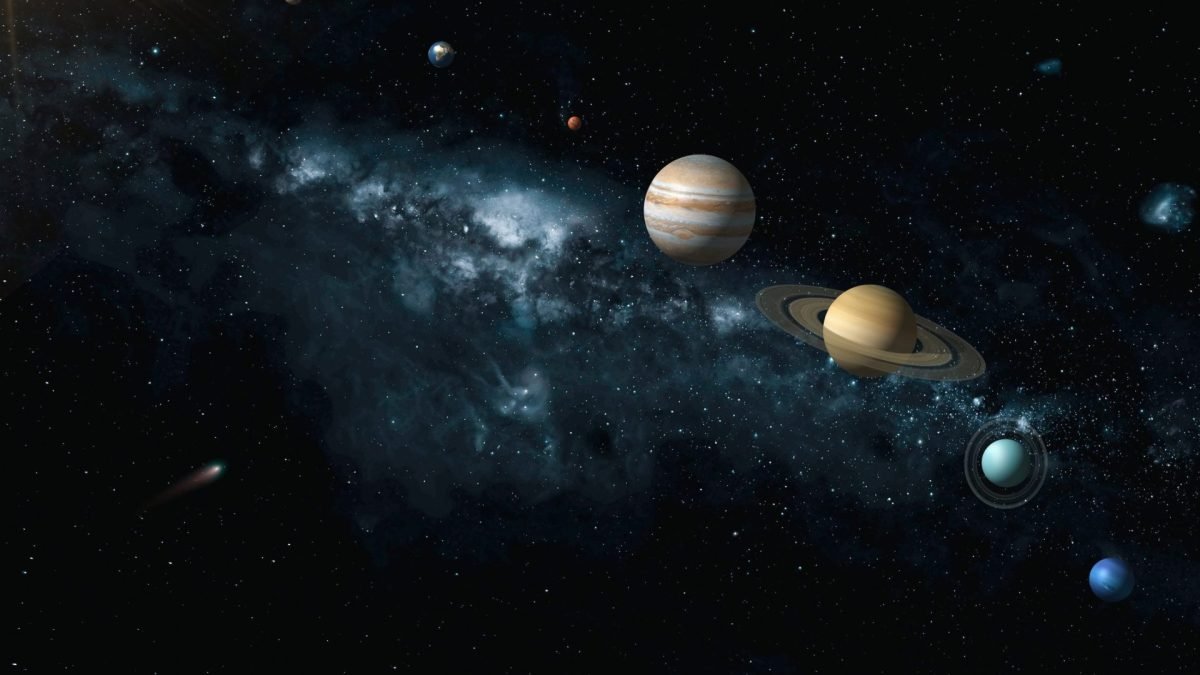
Monday 4 May is not only a bank holiday in the UK, but also holds a second, rather special meaning: yes, it’s Star Wars Day. May the 4th is an unofficial celebration, with fans globally marking the incredible three trilogies and spin-off movies, greeting each other with “May the Fourth be with you”.
Of course, this is based on the famous phrase “may the Force be with you”, an encouraging and motivational sentiment conveying protection, courage and hope that the Force – a metaphysical energy field that binds the galaxy together and is created by all living things – will overcome any challenge. Each character also has their own midi-chlorian count, which dictates their ability to connect with and use the Force.
What has this got to do with health and wellbeing, you might ask? Well, Star Wars has always resonated with me due to its themes strongly related to the importance of the relationships in our lives and their impact on our wellbeing. The films touch on redemption, the challenge of self-centered attachment as opposed to unconditional love, how to maintain boundaries, and how complex connection can be. It teaches us about the importance of having a variety of different kinds of relationships – siblings, parental, intergenerational, friendships – and our relationship with ourselves.
Scientific research echos the importance of connection and relationships for our wellbeing. Science shows that strong social connections are better predictors of living longer, being happier and healthier than perhaps even our genetics. Healthy relationships lower cortisol levels, reducing chronic inflammation and stress; improve our immunity and heart health by lowering reactivity to stress; and also boost our mental health. In contrast, sadly, challenging or unhealthy relationships do the opposite – leading to a higher risk of anxiety and low mood, problems sleeping, high blood pressure, and increased feelings of loneliness and low self-esteem.
Relationships are perhaps like the Force, offering us protection against difficulties in life. In which case, how can we increase our own midi-chlorian level and tune into this amazing friendship energy field? We need to prioritise our social connections and learn how to nurture them.

Siblings
Think about Luke Skywalker and General Leia Organa, brother and sister, who have a silent understanding and provide comfort to one another during challenging times. Research has shown that having positive sibling connection results in lower levels of depression, better sleep, and a more optimistic attitude. Sibling relationships can change quite a lot over time as we ourselves change. A key pitfall to avoid is parental influence.
Parents sometimes favour one child over the other, they may encourage narratives about a presumed “hierarchy” between siblings, and they may also place certain children in the middle of familial conflict. Be honest about how this has felt, if it is true, and have an honest conversation with your sibling, calling it out and making an agreement to not let it divide you. Another pitfall is not to let time, distance or life events stop you meeting up, spending time together, and understanding who you both are now. And thirdly, treat them as a friend and not just as your sibling; they might be genetically linked to you, but that doesn’t mean they will always be around, so treat them with the respect and kindness you would a friend.
Parent
Not all parent-child relationships are conflict-free, and so it goes with Luke and Anakin Skywalker, who later becomes Sith Lord Darth Vader when he embraces the Dark Side.
Global research has consistently shown that the relationship we have with our parents is a strong predictor of our wellbeing as an adult, including our mental health. If you are a parent, don’t make the mistake of continuing to treat your child as a child even when they are an adult. Recognise how roles and identities change over time, and move with the times.
If you have a difficult relationship with your parent, take some time to be honest about what is wrong, and why; take responsibility for your part in this. Clear communication is key: give up blame and ultimately remember that no parent is perfect. They just try to do their best.

Friends
What friendship is more legendary than that of Han Solo and Chewbacca – two completely different entities who are able to create a lifelong friendship built on respect and loyalty. Science tells us that those of us who have strong meaningful friendships have increased life satisfaction, faster healing from illness, less anxiety, and a 50 per cent lower risk of dying early; an especially strong link if we have five or more close friends.
How can we prioritise our friendships? Firstly, we must ensure that when life gets busy, we don’t cancel plans; it is tempting to treat socialising as a luxury, but it isn’t – the benefits we get from our friends come from regular, meaningful interaction. Secondly, be open to meeting new friends and to letting go of old ones; we all change with time. Our friends need to match who we are now and who we are becoming. And lastly, we need to do things with our friends, however small and simple: research shows when we have shared experiences or create memories together, we develop a stronger bond.
Intergenerational
Think Yoda or Obi-Wan Kenobi and Luke Skywalker: do you have an older, wise mentor who you turn to in times of trouble? Research says you should, and the benefits are not just one-way.
Intergenerational relationships, typically an age difference of 10-15 years difference, improve wellbeing for both parties; older adults have reduced loneliness, and younger people have improved self-esteem and emotional resilience. Find a mentor in your life who has “been there and done that”, be open to talking to new people of all ages and really listening to the life lessons they have learned.
Make the most of every opportunity to visit an aunt or grandad, and share what you know with them and make an effort to do things together. There are more similarities than you might think, and more benefits than you may realise.
Yourself
And finally, what about Luke Skywalker? His journey really shapes who he is and who he becomes; you see him grow and develop. It’s the same with ourselves. Research has shown that when we care for ourselves, we are accepting of ourselves and aware of our thoughts, emotions and actions, we thrive (up to 57.5 per cent more).
Science has also shown that self-kindness is a stronger predictor of wellbeing. Examine the relationship you have with yourself: how do you talk about yourself or think about yourself, how do you treat yourself when you have made a mistake, and how open are you to receiving love, compliments and kindness from others?
How we think and feel about ourselves is just a habit that we can choose to change by noticing, opting for a more positive framing, and repeating that process.