The real reason so many British parents homeschool their children

Few countries in the world have seen such a surge in homeschooling as the UK.

The number of children deregistered from school and in Elective Home Education (EHE) in England increased by 55.7 per cent, from 80,900 to 126,000 between 2022 and 2025 according to census data – a steeper rate than anywhere else in Europe. The most common reason reported was mental health.

Many parents opting for home education say they had little choice about it. More and more children are refusing to go to school, with persistent absence continuing to rise.

Dr Dan O’Hare, educational psychologist and senior lecturer at University of Bristol, points to several factors driving the rise in both school absence, and home-education in Britain: a developmentally inappropriate curriculum “where children of four are being asked to do the same that 10 years ago we’d have asked of six year olds”; high levels of assessment; the legacy of the pandemic; the SEND crisis (there is an over-representation of children with Special Educational Needs among both the home-educated population); authoritarian behaviour policies in response to absence; the significant waiting lists for mental health support from CAMHS; poverty; and really stressed, pressurised school systems. “Teachers are leaving in droves and are not able to recruit more,” he says. “That adds so much pressure on a school.”

But many experts say that, regardless of the reasons, the rise in home education is troubling. Sir Martyn Oliver, chief inspector for Ofsted, has warned that it is bad for children’s social skills. Donna Wiggett of the Association of Educational Psychologists tells The i Paper that rather than improving the child’s mental health, homeschooling can end up entrenching their anxiety.

Dr Dan O’Hare, educational psychologist, says parents are opting out of the school system because of a combination of factors, including long waits for mental health treatment and underfunded schools overwhelmed by the SEND crisis

“Elective Home Education will have a negative impact if it’s not done well. That’s not to say the child of every parent who’s home-educating is at a detriment… but if you’re in isolation all the time, the long-term outcomes in terms of your health, your mental wellbeing and your contributions to society are limited, aren’t they?”

Melissa Powenski, a psychotherapist and mental health nurse, echoes this worry. “A young person who can not tolerate an environment they did not choose will not be able to sit with discomfort and learn that they can survive,” she says. “Instead, they will avoid and limit their later life choices because they believe the world is not for them.”

‘Home-schooling is fashionable, but teaching requires knowledge and experience’

Home education has become something of a trend – with influencers such as Molly-Mae Hague recently saying she worries her three-year-old daughter would “lose” her “spark and brightness” if put in a school. Another Love Island alum, Olivia Bowen, has said she is considering it for the “different lifestyle” they can have abroad.

But Ms Powenski says this can skew the reality: “The normalising of homeschooling by celebrities does have an impact on how ordinary people view school – but it’s worth being clear about what celebrities like Molly-Mae would actually be doing. They’re not homeschooling in the traditional sense. They’re paying for private tutors, specialist classes, clubs and a wealth of educational opportunities that most families simply can’t access.”

She adds that many parents, even with the best intentions, are simply not equipped for home education: “Teaching is a skilled profession. It requires knowledge, patience and experience to deliver a curriculum to 20 or 30 children. A parent without those tools cannot be expected to replicate that – and for a parent who didn’t get through their own GCSEs, being encouraged to homeschool raises serious questions about how their child will thrive academically.”

‘I was dragging my son to school – his teachers told me he cried all day’

Kathleen Cornmell, 56, says this was not her experience. She took her eldest son out of school when he was eight, and subsequently home educated all three of her children.

“I think this is the worry for people who know very little about home education: that it will make them more socially isolated and dependent on you,” says Cornmell, who lives with her husband and two of her children in Hampshire. “But when done well and with the child, it can better equip them for adult life.”

Her son struggled with school from the moment he started reception. “He was so distraught and my day was so stressful: I would be dragging him out of bed daily, fighting with him to get dressed as he undressed, literally carrying him through the door. He was so upset about the brutalness of it.” The rigidity and expectations, without extra support, led to him crying under the table for an entire day – something Cornmell only learned later.

After taking him to school for about a year (“it was horrific every day”) she went to her GP to manage her own depression. “And they were the ones who said, why don’t we just take him out of school?”

They tried different schools, including a Steiner school they ultimately couldn’t afford, before deciding to try home education – with Cornmell leaving her job as a telecoms engineer. It was not a decision she took lightly. “There were many, many sleepless nights of worrying how it would all turn out – but all you can do at the time is what you feel in your heart is right.”

Removing an anxious child from school, and not replacing their social connections, can mean they do not learn to survive or tolerate discomfort, says psychotherapist Melissa Powensk (Stephanie Belton Photography)

She devised a learning plan that was driven by the children’s interests rather than the traditional curriculum. She sought out group classes for other home educating families – she and her husband, with their engineering backgrounds, ran a Lego Robotics team for her kids and others.

The difference, she says, “was like night and day. It felt like I had him back to the way he was every weekend. The happy child rather than one full of dread”.

All of her children did their GCSEs before joining college for A-levels. Both her sons went to university and her daughter, who is currently at college, also plans to go.

Cornmell. suspects her son is neurodivergent but never got him assessed: “Once he was homeschooled, it didn’t feel like it was necessary as it was only a problem in the school setting.” She says he thrived at home. “He became incredibly good at sports, he became incredibly good at music and went on to do a music degree. He’s very clever, but in the school system, when you’ve got up to 30 children in a class with all those individual interests, it’s very hard for a child like that to fit in.”

Unlike her eldest, her other children did not seem to have any special education needs, but as a family they decided the benefits of home education outweighed any benefits of traditional schooling: “They’ve all done very well and I think they’re all very rounded individuals.”

While she has no regrets, she says it has been incredibly challenging – and financially it has brusied them. “We haven’t been able to pay off our mortgage, which we would have hoped to have done by this point. We were hoping to have retired soon but we won’t be able to. We’re having to downsize,” says Cornmell, now a nutrtionist.

She also emphasises that keeping her children as socially engaged as possible was a constant effort. “Social isolation really wasn’t an issue – only because I put in a lot of effort. Those friends weren’t available around the corner like they would be if you were in school, so there was lots of driving and lots of messaging.”

‘We must stop blaming parents and repair their relationship with school’

Part of what troubles critics of the rise in home education is that the UK currently have some of the most lax laws around home education in the continent. English common law has always recognised parents as having a natural and legal authority over children, including education. By contrast, homeschooling in Germany and Sweden is illegal, and is effectively illegal in the Netherlands and Spain. This means that in the UK, all it takes is a formal notice of deregistration to the headteacher of the child’s school, which can happen without notice. (For children with special school places or under School Attendance Order, they will also require consent from their Local Authority.)

But that is set to change, with The Children’s Wellbeing and Schools Bill passing through Parliament. The law will introduce a register of children in home education. Parents will no longer have the automatic right to home educate if the child is under a child protection plan, and local authorities will have far more power to intervene if they deem the home environment unsuitable.

Proponents view it as a safeguard against hidden abuse. But some worry the move will further shift blame onto parents rather than addressing failures from schools and local authorities. The Children’s Commissioner, Dame Rachel de Souza, tells The i Paper: “This greater visibility must be matched with meaningful support.

“Monitoring children’s whereabouts alone will not solve the root causes driving children out of the classroom. We need a system that provides effective early support to keep children engaged in education – no child should feel the only way to cope is to disappear from the school system altogether.”

The solution, experts argue, boils down to all authorities (schools, councils, mental health services) working with families and intervening before school avoidance becomes entrenched.

While many of these require additional funding, there are also solutions that are not financial.

Dr O’Hare says that schools’ attitudes to non-attendance – with fines for parents increasing – is only making things worse. “Punitive approaches are a choice and research demonstrates that fining and so on doesn’t work. It’s completely ineffective and undermines the home/school relationship. The blame-based narratives in this country aren’t helping.

“That completely disempowers parents and destroys the home-school relationship. If a parent gets a whiff of that judgement from school, how do you come back from that?”

The one thing no one tells you about electric cars

There comes a point, usually after watching the fuel pump tick past £100 at a petrol station forecourt, when even the most hardened naysayer might wonder whether electric car evangelists may have been right all along. Multiple headlines tell the story: the much-anticipated societal switch to electric vehicles (EVs) may belatedly be happening.

The fuel price spike, driven by disruption to supplies through the Strait of Hormuz, has pushed many anxious motorists towards despair. Petrol prices have risen by around 22p a litre since the conflict began, with diesel climbing even higher.

The numbers are eye-watering: filling a family-sized petrol car can now nudge close to £150. By contrast, my partner’s recently acquired electric Mini can be fully charged for £28 – less if you could do so at home. Twenty-eight pounds: a figure that immediately makes petrol stations feel like 20th century anachronisms.

Yes, charging infrastructure can still be patchy and battery range anxiety is a thing. The multiple glitchy apps to charge the cars are a bloody nightmare. And, yes, the upfront costs of an electric car remain higher for many buyers. But the thing nobody quite tells you about electric cars is how ridiculously enjoyable they are. The acceleration is so instant and smooth. Even as someone with zero petrolhead tendencies – I drive a 13-year-old Toyota Prius that’s routinely mistaken for an Uber – I can appreciate the difference. You just press the accelerator and go. It feels like the future.

European EV sales have surged this year, helped by those soaring fuel costs, jumping up to 51 per cent year-on-year. Britain appears to be catching up. UK enquiries for EVs have risen sharply since the Iran conflict began. Renault has described a “seismic shift” in demand, with electric models accounting for nearly half its April sales. The famed Renault 5 is now the UK’s best-selling electric car.

What is changing is not environmental awareness, but economic logic. For years, electric cars were framed as worthy but expensive; a moral choice rather than a practical one. Now the numbers are beginning to flip. Rising oil prices have exposed the sheer volatility of relying on fossil fuels, while electricity, particularly with home charging tariffs, now looks reassuringly stable.

There is an accompanying financial shift: leasing. Buying a car outright used to be a sensible adult thing to do. But unlike most homes, cars are not appreciating assets. The moment you drive a new one off the forecourt, it begins depreciating dramatically. That’s why leasing is booming, particularly for EVs. Enquiries about electric vehicle leasing have risen dramatically this year as drivers seek lower running costs without long-term commitment.

Be warned, though. There is an unavoidable side effect. The moment someone buys an EV, it becomes – as with vegans and padel players – the only thing they talk about: charging speeds, regenerative braking and Kilowatt hours. A friend who recently switched has become a roaming TED Talk.

Still, if the alternative is spending nearly £150 to fill up a diesel family car, perhaps we should all become slightly insufferable.

Trump is the worst president in American history

Journalists know to be careful with superlatives. If you write that someone or something is the first or the last, the largest or the smallest, the best or worst, an inconvenient fact will come along to contradict you, sometimes emailed by an irate reader. But at least three academic surveys have found that Donald Trump is the worst president the US has ever had. And it’s true, he is: I defy you to name a worse president.

The most recent of these reports was the 2024 Presidential Greatness Project Expert Survey. It’s more relevant than ever as Trump’s opponents, and some of his former friends, question his sanity as well as his probity. Historians and political scientists were asked to rate each president on a scale of 0 to 100. Trump scored 10.92, coming last out of 45, with the lowest score any president has ever had in this survey.

Trump’s supporters will say this is liberal academic bias, but he was ranked at or near the bottom by experts from across the political spectrum. And this was judged on his performance during his first term, 2017-21. It was before Iran, the war without a strategy, with Trump oscillating between “a whole civilisation will die tonight” and “we have a very good relationship with Iran”.

There’s no growing into the office of president. There’s no time for that as the occupant of the White House lurches from crisis to crisis. The Oval Office reveals character; it does not build it. A friend spoke to a member of Trump’s administration and asked him what it was like serving in the White House. “It’s a 24/7 food fight,” the official said; it never stops.

To be fair to Trump, this is the same as any White House. But that’s why a president should be a level head, a calming figure. Trump is both hyperactive and impulsive, decisions made and unmade as quickly as he can post on Truth Social. Politicians often wear a mask, but with Trump, what you see is what you get. That is a kind of virtue, but Trump has no filter. This made him a great reality TV star, and a terrible leader of the world’s most powerful nation.

Teddy Roosevelt, the 26th US president, knew the power of understatement. “Speak softly and carry a big stick,” he said, and America’s enemies trembled. Trump said, “Open the F**kin’ Strait, you crazy bastards, or you’ll be living in Hell – JUST WATCH!!” And then he caved. America’s enemies, especially Russia and China, can see the pattern. Hashtag Taco – Trump always Chickens Out.

A report in The Wall Street Journal said that when two American airmen were lost in Iran, Trump screamed at his aides “for hours” – they had to keep him out of the Situation Room. He is an emotional and instinctive politician. “He didn’t read,” wrote Michael Wolff in Fire and Fury. “He didn’t really even skim. Some believed that for all practical purposes he was no more than semi-literate.” Trump has what the editor of The Atlantic magazine, Jeffrey Goldberg, called a “comprehensive ignorance of history”. Briefing papers have to be single-page, ideally with pictures.

In intellect, Trump has been compared to Ronald Reagan, who was an “amiable dunce” in the words of a political opponent, and to that famous mangler of words, George W Bush. But these two Republican presidents had people skills; in Reagan’s case, you would call it charm. And the folksy, regular guy personas were – partly – an act. Bush joked that “[William F Buckley] wrote a book at Yale; I read one”. There is so much evidence that Trump is just as stupid as he looks. He does not charm.

The other Republican president who invites comparison to Trump is Richard Nixon. Nixon was ruthless, as Trump would like to be, but he was quietly, cleverly devious, drawing up his enemies’ list and plotting his revenge in secret. Trump is unable to keep a secret, and his revenge is often crude, noisy, and public. Nixon was a master strategist; Trump is… not. And Nixon was never actually impeached – he resigned first – while Donald Trump has been impeached twice.

The US president who tops all the surveys is, of course, Abraham Lincoln, who abolished slavery and saved the Union. He is the anti-Trump. The Washington Post counted 30,573 false or misleading claims made by Trump during his first term. Lincoln was “Honest Abe”, incorruptible in his public life and in private. As his law partner recounted, Lincoln was naked in bed with a Springfield prostitute when he found he was $2 short of her fee. He got dressed and left, saying, “I cannot afford to cheat you”. Trump tried to get out of paying $130,000 he had promised to the porn star Stormy Daniels after having sex with her at a golf tournament in Lake Tahoe.

Lincoln was even more careful with other people’s money. He returned $199.25 of his $200 campaign budget “having bought only one barrel of cider”, according to the historian Paul Johnson. Trump is effectively charging people to meet him; the mechanism is to buy a “special edition” of his $TRUMP memecoin. Last year’s top bidder, a Chinese-born crypto billionaire, reportedly bought up to $23m of it; in total, the dinner brought in $148m to two Trump-controlled companies.

Trump has turned the presidency into a money-printer. A New Yorker investigation found that he and his family had made $4bn from it by this January. Democratic Senator Bernie Sanders calls it an “unprecedented kleptocracy”.

Trump’s favourite president is Andrew Jackson, another populist who liked confrontation. He has Jackson’s portrait in the Oval Office. Trump has often said his father, Fred, brought him up to be a “killer” in business. Jackson was a real killer. In 1806, he fought a duel with Charles Dickinson, leaving him to bleed to death. There were other duels and knock-down, drag-out brawls in the street, fought with fists and swords, men rolling bloodied in the muck.

Jackson, at least, was a genuine war hero who understood the risks of combat. Trump is “an eight-year-old playing with toy soldiers,” in the words of the Pennsylvania Governor, Josh Shapiro. He bone-spurred his way out of Vietnam, dodging the draft with a medical exemption for allegedly malformed feet. The condition was never mentioned again. But as even Trump’s harshest critics recognise, he did have his moment of courage and grace under fire. After an assassin’s bullet grazed his ear, he raised a defiant fist – and won an election.

Jackson defied the courts; Nixon defied the courts and Congress. Yet they both believed in the rule of law itself. Every other president – however corrupt, venal or incompetent – respected the constitution as defining the rules of the game. No other president told a crowd to “fight like hell” and then watched on television as they stormed Congress. No other president spoke publicly of refusing to accept the results of an election. No one else mused openly about how they could just keep going, becoming president for life.

Donald J Trump always wanted to be exceptional, unique, one of a kind. He got his wish. He is unique. He is one of a kind. He is the worst.

Rivian alcançou um custo 50% menor na fabricação dos EVs R2. Esperemos que os benefícios sejam repassados ​​aos compradores

A Rivian pode ter descoberto uma das partes mais difíceis da construção de um VE acessível, pois conseguiu reduzir custos na produção de um dos seus próximos VE. Durante a última teleconferência de resultados, a empresa disse que o próximo R2 alcançou uma redução de custos de mais de 50% em comparação com o R1. Com o R2 sendo fabricado como o EV mais acessível para o mercado de massa, isso é um grande negócio.

Como Rivian encontrou maneiras de economizar

De acordo com Dentro dos EVsRivian descreveu várias maneiras de reduzir os custos. A empresa reduziu o chicote elétrico do R2 em 3,7 quilômetros, reduziu o número de conectores em 60% e reduziu o cabeamento de alta tensão em 70%, consolidando várias unidades de conversão de energia em uma. A empresa também simplificou sua nova unidade Maximus Drive, que possui 41% menos peças em comparação com as unidades de transmissão Enduro usadas nos veículos R1. A Rivian montou o inversor diretamente na unidade de acionamento e usou resfriamento e embalagem mais inteligentes para reduzir peças e complexidade de fabricação.

Tudo isso parece algo chato de fabricação, mas agora está fazendo uma diferença actual. Menos peças geralmente significam menor custo, montagem mais fácil, menos pontos de falha e melhor dimensionamento.

O próximo Rivian R2 está usando uma configuração mecânica mais simples, que supostamente ajudou a obter economia de custos de 70% na suspensão dianteira ao passar de uma configuração de duplo braço triangular para suportes MacPherson.

Enquanto isso, grandes peças fundidas também reduziram o número de peças da parte inferior da carroceria em 90%, enquanto a complexidade da porta traseira foi reduzida em 65%. O CEO RJ Scaringe espera uma redução de mais de 50% através do trabalho de design para fabricação e maiores volumes de produção. Ele acrescentou ainda que é assim que a empresa espera vender o T2 de forma lucrativa, ao mesmo tempo que o mantém a um preço mais acessível, sem perder desempenho e utilidade.

E os compradores?

Rivian posicionou o R2 como um EV mais acessível, com preço-alvo em torno de US$ 45.000. Mas espera-se que o T2 Efficiency comece em torno de US$ 58.000 quando as entregas começarem. O preço esperado revela que este não é um carro acessível, embora ainda seja mais acessível que o R1S e o R1T, que são posicionados como modelos premium.

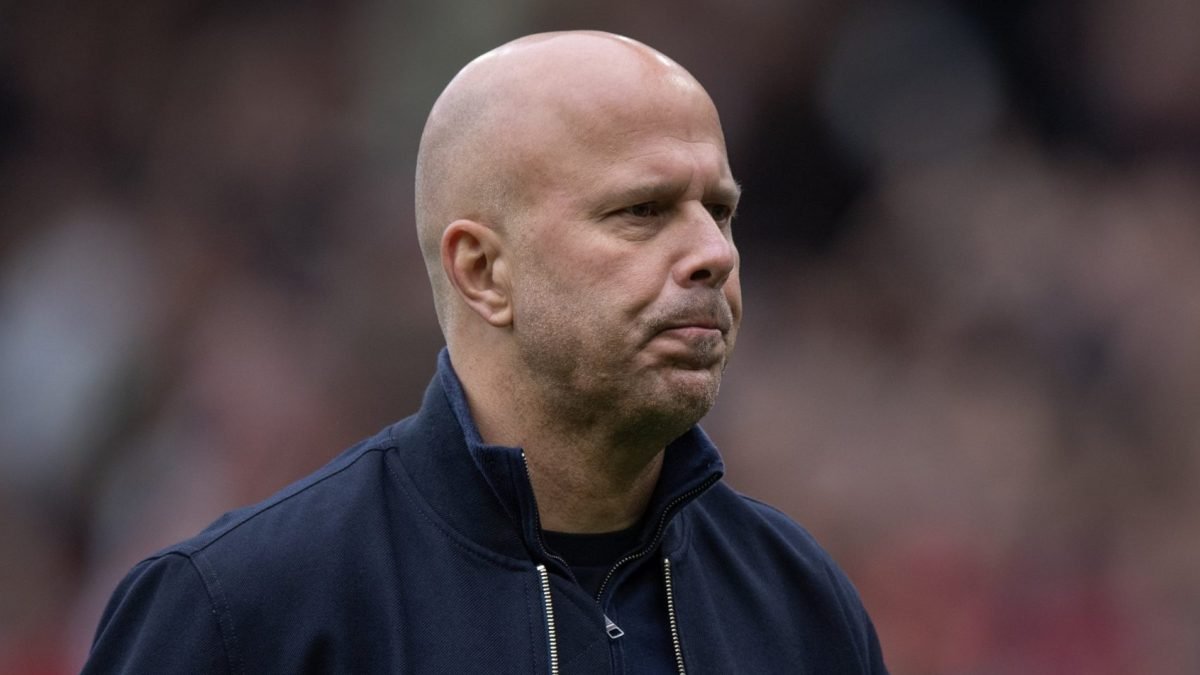
Arne Slot is in denial

So Arne Slot knows what needs to be done to restore the Liverpool supremacy next season. He wouldn’t share his thoughts with the media, which is, perhaps, as well since the commentary he did offer bore little scrutiny.

Like many a coach in defeat, Slot’s view of the loss to Manchester United was at variance with reality. He spoke of the control Liverpool exerted after the break yet made no mention of the gifts presented by United that contributed directly to both their goals, and seemed to forget that Liverpool were two down at the break, a deficit that should have been wider.

That great custodian of Liverpool’s soul, Jamie Carragher, was incandescent about the condescension of Liverpool players doing performative keepie-uppies in the tunnel beforehand. In victory, that kind of hauteur is seen as an expression of confidence. In defeat, it revealed to Carragher a lack of focus and seriousness.

As a member of the Liverpool team that once turned up to an FA Cup final against United in white suits, Carragher has experience of the divine madness that persuades a group of cocky ballers it need only turn up to win.

The control of which Slot was so proud was not unique to them. It is a characteristic afforded by a porous United midfield with significant structural failings. Michael Carrick has clearly introduced a unity of purpose and offensive organisation, but he can do little about the inability of Casemiro and Bruno Fernandes to track back, particularly in the latter stages of matches.

Dominik Szoboszlai was again used at right-back against Manchester United (Photo: Getty)

So Liverpool, like Brentford a week prior, had control of the pitch in the second half, and with the help of misplaced passes from Amad Diallo and another from keeper Senne Lammens, looked the more likely winners until the remarkable Kobbie Mainoo did his thing.

This allowed Slot to gloss over his contribution to the loss, which included his eccentric preference for career midfielders at right-back and his distrust of his signature signing at left-back, not to mention his reluctance to unleash teenage phenom Rio Ngumoha.

On this occasion Curtis Jones traded places with Dominik Szoboszlai for the job of being Trent Alexander-Arnold, whilst the player signed to replace Alexander-Arnold at right-back, Jeremie Frimpong, was again deputising for the injured Mohamed Salah. Conor Bradley’s injury, one of many, is not helping, but that does not excuse Frimpong’s repeated deployment higher up the pitch

On the left side Slot’s preference for outgoing Andy Robertson over Milos Kerkez in big matches, was a gift to United, serving as rehab for the out-of-form Bryan Mbeumo down United’s right, from where the opening goals resulted.

The loss of the cursed Alexander Isak to a groin strain in training was an obvious blow to a team already deprived of Hugo Ekitike, but Liverpool’s attack was not what cost them. Over and above the perplexing choices at right back, Slot is stuck with centre halves too easily pulled out of shape by United’s rapid counters.

Virgil van Dijk appears to have slowed overnight as if the extra coin he was offered last summer is being carried in his boots. Ibrahima Konate was never the quickest, but when Liverpool had it all their own way in Slot’s first term, he was not exposed as he is now.

During those rapid first-half counters, Liverpool’s rearguard could not cope. It was only United’s own flaws, notably the gap in front of defence where Casemiro should have been, that allowed Liverpool enough of the ball to convince Slot his team had powerful agency.

Read more

It is true that Liverpool would have been improved by the availability of Isak and Ekitike up front and Alisson Becker in goal. It is also the case that last summer’s influx, plus the contract extensions to Salah and Van Dijk have created, not solved problems.

Slot looked a genius last term when the team picked itself and Manchester City were negotiating the diminution of Kevin De Bruyne and the loss of Rodri. At times this season Slot has looked overwhelmed if not out of his depth.

The result at Old Trafford to a capricious United could have been worse not better had Fernandes made it three before the break. Instead of sophistry, presenting the outcome as somehow unjust or unrepresentive, Slot needs to be honest with himself. The table does not lie. Neither should he.

A perspectiva dos Reds, Chase Petty, foi testada na estreia da temporada contra os Cubs

21 de junho de 2025; Louis, Missouri, EUA; O arremessador substituto do Cincinnati Reds, Chase Petty (61), arremessa contra o St. Louis Cardinals durante a décima primeira entrada no Busch Stadium. Crédito obrigatório: Jeff Curry-Imagn Photos

O Cincinnati Reds está convocando Chase Petty, número 7, para enfrentar o escaldante Cubs na segunda-feira, no primeiro jogo de uma série de quatro jogos em Chicago.

O destro de 23 anos está substituindo o titular do Cincinnati, Brandon Williamson, que entrou na lista de lesionados na quinta-feira devido a cansaço no ombro esquerdo.

Petty está 2-2 com um ERA de 4,38 em seis partidas para Triple-A Louisville. Ele permitiu 22 rebatidas, rebateu 29 e andou 11 em 24 2/3 entradas.

“Esta é a sua vez common”, disse o técnico Terry Francona ao MLB.com. “Ele está arremessando muito melhor no dia additional (de descanso), e é por isso que o tiraram mais cedo outro dia – para tentar imitar isso o máximo que puder.”

Petty, que foi escolhido em primeiro lugar (26º no geral) pelo Minnesota Twins no Draft da MLB de 2021, teve um início difícil em sua carreira na liga principal na última temporada após algumas convocações, indo 0-3 com um ERA de 19,50 em seis entradas.

Os Twins o negociaram com os Reds em 2022 pelo veterano destro Sonny Grey e pelo arremessador da liga secundária Francis Peguero.

Petty arremessou bem no treinamento de primavera e adicionou um novo arremesso.

“É quase como segurar uma mudança de círculo, espetar o dedo médio nas costuras e deixá-lo rasgar”, disse Petty à Sports activities Illustrated no treinamento de primavera. “Quando for bom, será muito bom.”

Os Reds estão sendo derrotados em Pittsburgh por 9-1, 17-7 e 1-0.

Cincinnati recebeu boas notícias no campo no domingo, já que o titular Nick Lodolo está escalado para se juntar ao time em Chicago e fazer sua primeira estreia na temporada na sexta-feira, contra o visitante Houston Astros.

O canhoto, que está em IL depois de desenvolver uma bolha no dedo indicador esquerdo em sua última partida na primavera, fez 79 arremessos em sua última partida de reabilitação em Louisville.

Petty enfrentará uma situação difícil no Wrigley Discipline, já que os Cubs tiveram o melhor início em 34 jogos na história do clube, com 22-12.

Chicago vem de uma raspagem sobre os Diamondbacks, sua terceira raspagem consecutiva em casa.

Os Cubs estão 14-5 em Wrigley e vêm com uma seqüência de 11 vitórias consecutivas em casa.

“Há jogadas estranhas no Wrigley Discipline e é definitivamente um lugar único para jogar”, disse o segunda base do Cubs, Nico Hoerner. “Sinto que ao longo de um ano isso é uma vantagem para nós. Realmente tentamos dominar na Wrigley.”

Os Cubs estão marcando corridas em grupos, assim como no domingo, quando empataram o melhor da temporada com seis rebatidas extra-base e marcaram em quatro entradas diferentes. Chicago também carregou as bases com um eliminado no oitavo, mas não marcou.

“Hoje foi um bom exemplo de como temos jogado”, disse o técnico do Cubs, Craig Counsell. “Colocamos pressão no arremessador, fazendo-o fazer grande arremesso após grande arremesso. Temos an opportunity de marcar em cada entrada. Em cada entrada há ação e isso é um ataque consistente.”

Os Cubs enviarão Edward Cabrera (3-0, 3,06 ERA) ao monte para enfrentar os Reds.

O destro de 28 anos venceu duas de suas últimas três partidas, incluindo uma vitória fora de casa por 8-3 sobre San Diego na última terça-feira, quando desistiu de seis rebatidas e três corridas em 5 2/3 entradas. Ele andou um e acertou sete.

Cabrera tem 28-29 anos com um ERA de 3,99 em 95 jogos, incluindo 93 partidas, pelo Miami Marlins (2021-25) e Cubs.

Ele está 0-1 com um ERA de 10,80 em duas partidas de carreira contra os Reds.

–Mídia em nível de campo

Descoberta de Karahantepe de 12.000 anos revela estátuas enormes e uma dieta pré-histórica inesperada

Escavações recentes em Karahantepe, um native essential dentro do projeto Taş Tepeler, no sudeste de Türkiye, revelaram evidências surpreendentes da complexidade neolítica. Este native, que remonta a cerca de 12.000 anos, produziu estátuas humanas em tamanho actual e esculturas detalhadas de animais que transformam nossa visão da arte pré-histórica. No entanto, a descoberta mais surpreendente envolve restos de plantas. Embora permanecessem caçadores e coletores, sua subsistência period semigerida; descobertas mostram que eles também comiam uma dieta variada que incluía legumes silvestres. Esta transição da peregrinação em busca de comida para um estilo de vida mais estável indica que Karahantepe não period apenas um simples assentamento, mas uma sociedade avançada que praticava o cultivo “pré-domesticação”. Tais revelações desafiam o que sabemos sobre quando começou a agricultura organizada e como as primeiras sociedades desenvolveram estruturas sociais.

Estátuas e uma dieta pré-histórica surpreendente encontradas em Karahantepe

O projeto Taş Tepeler mostrou que Karahantepe serviu mais do que apenas um native ritual; period um centro de atividades sociais complexas. Liderando as escavações, o professor Necmi Karul encontrou numerosos pilares em forma de T e figuras humanas altamente detalhadas. Uma descoberta notável foi a estátua de uma figura masculina sentada segurando seu falo com as duas mãos, destacando o foco no simbolismo humano. Entretanto, a investigação bioarqueológica revelou que as pessoas consumiam gazelas, ovelhas selvagens e várias leguminosas, como ervilhaca amarga e lentilhas, o que aponta para uma fase inicial de gestão das plantas antes do início da domesticação.

Por que os caçadores-coletores pararam de se mover há 12 mil anos

Pesquisas publicadas em contextos académicos sugerem que Karahantepe e Göbeklitepe revelam estilos de vida de caçadores-coletores estabelecidos, o que desafia a visão tradicional conhecida como teoria da “Agricultura em Primeiro Lugar”. Em Karahantepe, edifícios permanentes e enormes esculturas de pedra mostram que caçadores-coletores formaram comunidades estáveis ​​muito antes de o trigo ser domesticado. A descoberta de fossas escavadas na rocha, cisternas e instalações de moagem também aponta para o consumo common de cereais silvestres e leguminosas.

O papel very important das leguminosas selvagens na construção antiga

Conforme observado no Journal of A Archeological Science, na região de Şanlıurfa, pesquisas arqueobotânicas revelam que as pessoas de 12 mil anos atrás tinham uma dieta muito variada. As evidências mostram que a carne de animais selvagens como gazelas e auroques period uma parte elementary de suas refeições. No entanto, eles também coletaram e processaram muitas leguminosas selvagens. Essas leguminosas forneceram a proteína necessária para os grandes grupos de trabalhadores que esculpiram e moveram as enormes estátuas de Karahantepe.

Por que Karahantepe se concentrou na forma humana

A ênfase de Karahantepe nas figuras humanas marca um afastamento significativo do foco anterior nos motivos animais. O Instituto Arqueológico Alemão, que colabora nas pesquisas na área, observa que as estátuas desenterradas em Karahantepe revelam um complexo sistema de símbolos e ordem social. Raposas, cobras e leopardos foram esculpidos com grande habilidade, refletindo papéis distintos dentro da comunidade, sustentados por um excedente rico em proteínas e por banquetes comunitários.

Cameron Diaz, 53, dá as boas-vindas secretamente ao terceiro filho e anuncia nome peculiar

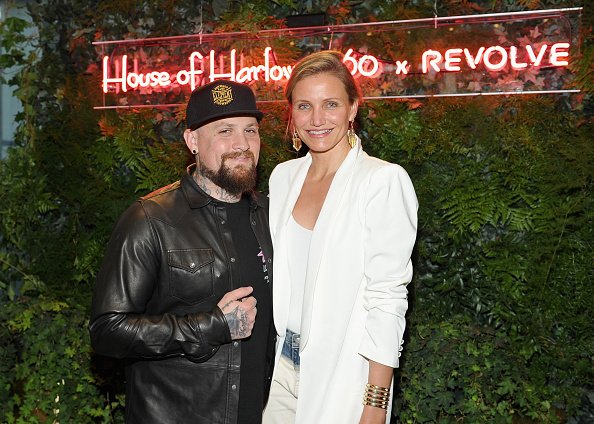
Cameron Diaz e Benji Madden anunciaram a chegada surpresa de seu filho (Foto: Arturo Holmes/Getty Photos for REFORM Alliance)

Cameron Diaz e Benji Madden deram as boas-vindas secretamente ao seu terceiro filho.

O astro do rock de Good Charlotte, 47, revelou a notícia de que ele e sua esposa, atriz de Hollywood, 53, deram as boas-vindas a um bebê em um put up no Instagram.

Ele compartilhou: ‘Cameron e eu estamos felizes, entusiasmados e nos sentindo muito ABENÇOADOS por anunciar o nascimento de nosso terceiro filho, Nautas Madden. Bem vindo ao mundo filho!!👊❤️

‘Amamos a vida com nossa família – nossos filhos estão saudáveis ​​​​e felizes, e estamos gratos!!!🙏🙏nos divertindo muito ❤️Enviando todos os nossos melhores votos – a Família Madden.’

Nenhuma foto do recém-nascido foi compartilhada, porém Benji postou a foto de um navio e o significado do nome, que é: ‘Marinheiro, navegador, viajante. Aquele que embarca numa viagem e não teme o desconhecido.

Sua esposa respondeu à postagem com uma série de estrelas e emojis de coração amoroso.

Casa de Harlow 1960 x REVOLVE
O casal está casado desde 2015 e já tem dois filhos (Foto: Donato Sardella/Getty Photos for Revolve)

O casal – que se casou em 2015 – já compartilhava a filha Raddix, nascida em dezembro de 2019 de barriga de aluguel, e o filho Cardinal, nascido em março de 2024.

No mês passado, Cameron foi flagrada filmando seu último filme – intitulado The Sham – em Nova York.

Conforme relatado pelo Deadline, a comédia romântica dirigida por Stephen Service provider segue um britânico workaholic (Stephen) empregado em um lodge sofisticado de Nova York que precisa de uma esposa para as aparências.

Depois de fazer um acordo com um comediante de stand-up (Cameron) que está desesperado por um seguro de saúde, o seu falso casamento transforma-se de uma “transacção comercial num romance inesperado”.

No ano passado, Cameron voltou a atuar após um hiato de uma década, com um papel principal ao lado de Jamie Foxx na comédia de ação Again in Motion, que foi lançada na Netflix.

Celebridades no jogo do Los Angeles Lakers
Eles mantiveram suas vidas pessoais privadas e nunca compartilharam fotos de seus filhos (Foto: Noel Vasquez/ GC Photos)

Ela também estrelará outros filmes, incluindo a comédia de ação da Netflix, Dangerous Day, e reprisará sua voz como Princesa Fiona em Shrek 5.

A atriz saiu dos holofotes depois de interpretar Miss Hannigan em Annie, de 2014. No ano seguinte ela se casou com o marido.

Falando sobre sua decisão de fazer uma pausa na atuação, em 2021 ela disse a Kevin Hart em seu speak present Hart to Coronary heart que quando ela estava se aproximando dos 40 anos, ela percebeu que havia ‘tantas partes da minha vida que eu não estava tocando ou gerenciando’.

‘Eu realmente queria tornar minha vida administrável por mim. Minha rotina diária é literalmente o que consigo fazer sozinha”, explicou ela.

Crédito obrigatório: Foto de Kristin Callahan/Shutterstock (16827967e) Cameron Diaz visto no set de 'The Sham' 'The Sham' no set de filmagem, Nova York, EUA - 13 de abril de 2026
A atriz de Hollywood foi vista pela última vez no set de The Sham em Nova York no mês passado (Foto: Kristin Callahan/ Shutterstock)
Crédito obrigatório: Foto de Kristin Callahan/Shutterstock (16827967z) Cameron Diaz visto no set de 'The Sham' 'The Sham' no set de filmagem, Nova York, EUA - 13 de abril de 2026
Ela comentou a postagem do anúncio do bebê com uma série de corações amorosos (Foto: Kristin Callahan/ Shutterstock)

Ao aparecer no The Graham Norton Present em janeiro do ano passado, ela também falou sobre sua gratidão por poder voltar a atuar depois de tantos anos, compartilhando que ter ‘a porta aberta para mim depois de uma década foi incrível’.

“É um privilégio fazer filmes, e todos nós temos muita sorte em fazer o que fazemos”, disse ela, acrescentando que embora “amasse esses 10 anos para mim e para a minha família”, também pensava que “se eu deixar isto passar, se não me envolver novamente e se não der uma oportunidade, serei uma tola”.

“Pode ser o começo de algo, mas está aqui agora e estou grata por isso”, acrescentou ela.

Em 2020, Cameron compartilhou que ser mãe foi a ‘melhor, melhor parte’ de sua vida. Falando ao Leisure Tonight ela disse: ‘Eu amo ser mãe. Estou muito grato e feliz e é a melhor coisa de todas e tenho muita sorte de fazer isso com Benji.

Tem uma história?

Se você tem uma história, vídeo ou fotos de uma celebridade, entre em contato com a equipe de entretenimento do Metro.co.uk enviando um e-mail para celebtips@metro.co.uk, ligando para 020 3615 2145 ou visitando nossa página Enviar coisas – adoraríamos ouvir de você.

A conexão entre Kim Ok e OnlyFans, segundo novo livro

Ame-os ou odeie-os, os Kardashians são impulsionadores culturais, e um novo livro que será lançado amanhã disseca o porquê.

Desconstruindo os Kardashians: Um Manifesto da Nova Mídia foi escrito pelo psicoterapeuta MJ Corey, que administra a conta do Instagram, Colóquio Kardashian. Quando ela descobriu os Kardashians enquanto estava na pós-graduação, Corey ficou tão impressionado com o conteúdo deles que o achou estranho. Sua irmã lhe disse para ler a teoria pós-moderna, e Corey mergulhou profundamente no auto-estudo e começou a documentá-la on-line. Agora, ela tem quase 50.000 seguidores, ajuda a administrar a Kardashian Information Koalition e se tornou uma importante intelectual Kardashian.

VEJA TAMBÉM:

O que é OnlyFans?

“intelectual Kardashian” pode soar como um oxímoro, mas como Desconstruindo os Kardashians demonstra, é importante examinarmos a cultura pop. Afinal, deve haver razões pelas quais algo é widespread. “Eu não analiso os Kardashians, mas eles podem ser um espelho para o resto de nós”, disse Corey em entrevista ao Mashable.

Aplicativos de conexão para todos

AdultFriendFinder


escolha dos leitores para conexões casuais

Inflamável


melhor escolha para encontrar conexões

Dobradiça


escolha widespread para encontros regulares

Produtos disponíveis para compra através de hyperlinks de afiliados. Se você comprar algo por meio de hyperlinks em nosso website, o Mashable poderá ganhar uma comissão de afiliado.

Os Kardashians traçam a cultura com suas narrativas, disse ela, e na verdade tudo começou com o trabalho sexual.

A infame fita de sexo

Lembre-se de 2007, quando a fita de sexo de Kim Kardashian com o cantor Ray J vazou. Kim alcançou a fama e Acompanhando os Kardashians (KUWTK) estreou meses depois.

Há uma corrente batalha legal entre Kardashian e Ray Jo que pode lançar uma nova luz sobre por que a fita foi feita e como foi lançada. Mas independentemente disso, embora alguns possam ter ficado envergonhados e evitados os olhos do público após tal invasão de privacidade, Kim fez o oposto. Ela se recusou a ter vergonha.

“Por que você gravou uma fita de sexo?” A irmã de Kim, Kourtney, perguntou emblem no primeiro episódio de KUWTK antes de uma próxima aparição em um speak present.

“Porque eu estava com tesão e com vontade”, disse Kim.

Uma razão pela qual as pessoas estão zangadas com os Kardashians é que eles ganharam dinheiro com a fita, em vez de viverem com vergonha ou se dissociarem dela, disse Corey.

“As pessoas têm um sentimento diferente em relação aos ícones femininos que são trágicos ou humilhados do que aqueles que dizem: ‘Não, estou bem, vou ganhar dinheiro com isso’”, disse Corey. ‘É outra nuance que as pessoas foram forçadas a aceitar quando se trata dos Kardashians e sua relação com o sexo – que a fita não os quebrou.’

E a fita de sexo estava longe de ser a única vez que os Kardashians se associaram ao sexo – e ao trabalho sexual – especialmente nos primeiros anos de sua fama. Na primeira temporada de KUWTK sozinho, membros da família: tocou em um poste de stripper, contratou uma atriz pornô para tomar conta das irmãs Jenner, participou de uma Meninas enlouquecidas sessão de fotos e também tirei fotos para Playboy.

Quando analisamos intelectualmente a história dos Kardashians, disse Corey, olhamos para apropriação cultural de raça e etnia. Mas no início, eles também se apropriaram do trabalho sexual. Corey conversou com uma profissional do sexo que queria permanecer anônima, que acreditava que Kim period uma profissional do sexo, embora Kim nunca chamasse assim. No tempo em que Kim esteve sob os holofotes, ela estigmatizou a profissão enquanto idealizava, glamourizava e lucrava com a estética das profissionais do sexo, disse Corey.

Ao pesquisar para este livro, “period impossível ignorar o fascínio desta mulher de classe média pelo trabalho sexual”, disse ela sobre Kim nos primeiros dias de KUWTK.

Kim Kardashian e OnlyFans

Kim Ok não está no OnlyFans, mas há uma conexão entre os dois. Como Corey escreve em Desconstruindo os Kardashians:

‘A acessibilidade sexual é, aparentemente, mais atraente quando há uma sensação de que nenhuma mulher está lucrando com isso, o que é provavelmente pelo menos uma das razões pelas quais os Kardashians … se tornaram mais insultados à medida que enriqueciam, e também porque as pessoas um dia iriam criticar o website de mídia social da indústria do sexo OnlyFans, que foi lançado em 2016 no meio da cultura influenciadora impulsionada por Kardashian e ofereceu um espaço para muitas profissionais do sexo possuírem os meios de sua produção.

Há um discurso mais amplo além dos Kardashians em torno de OnlyFans, seu lugar na cultura e sua influência sobre as mulheres e como elas veem e potencialmente mercantilizam seus corpos. “Acabei de notar no discurso mais amplo, [shaming] de mulheres empreendedoras em suas contas OnlyFans. Há uma vergonha semelhante que as pessoas às vezes lançam sobre os Kardashians por ganharem dinheiro com sua sexualidade.”

“E penso que é ameaçador ver que as mulheres podem ser independentes dos homens”, acrescentou Corey.

A diferença entre Kim Kardashian e o típico modelo OnlyFans, entretanto, é fama, dinheiro e acesso. Kim Ok aparentemente consegue postar o que quiser; isso é uma reclamação profissionais do sexo e outros usuários do Instagram relacionados ao sexo disseram ao Mashable nos últimos anos. Enquanto Kim é impulsionado em nossos algoritmos, pessoas não famosas são banidas – despriorizadas – se não totalmente banidas.

Como os Kardashians ganharam cultura

A influência dos Kar-Jenners é inegável e, em seu livro, Corey segue a linhagem entre uma variedade de ícones americanos — como a marca Disney e Marilyn Monroe — e o que eles têm em comum com a família.

Cada ícone a que ela faz referência no livro normalmente evoca ansiedade sobre raça, morte ou sexo. Isto é verdade até mesmo para Mickey Mouse, que, por exemplo, desencadeou conversas sobre como o Mascote da Disney é racialmente codificado.

“Os Kardashians, de uma forma realmente em grande escala, e de uma forma que irá garantir o seu legado, evocam todas essas ansiedades que todos os outros ícones que vieram antes também têm”, disse Corey. “Isso apenas nos diz que há algo em nós que anseia, que é atraído por isso, que fica agitado por isso, e é por isso que eles também são tão populares, porque representam essas coisas para nós em tal escala, de forma tão implacável.”

Como há tantos Kar-Jenners, a máquina nunca para, continuou Corey. A família tornou-se uma figura de catarse ou libertação. Existem pontos de contato, como o Lançamento de roupas íntimas para pêlos pubianos SKIMS no outono passado, que nos permitem perguntar: como nos sentimos em relação a isso?

Estamos realmente tentando descobrir em que tipo de sociedade queremos viver, disse Corey, e os Kardashians nos oferecem oportunidades para refletir e tentar resolver isso. Tudo o que fazem, neste momento, evoca algum discurso – tanto que Corey já quer escrever outro livro.