
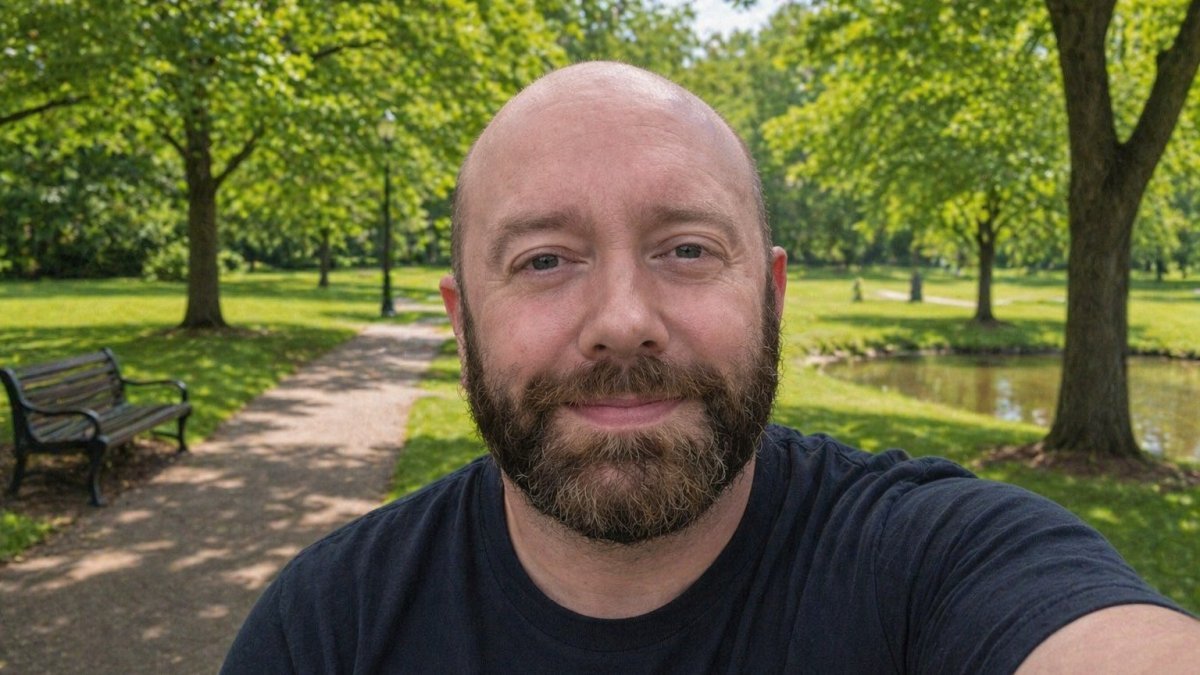

Dean Burnell, 47, says when he was younger, pensions were not talked about much, and as a result he has not saved as much into his retirement pot as he would like.
He has only been able to add small amounts to his pension when working in a number of part time jobs, so far saving a total of £24,000.
Dean is aware that for a comfortable lifestyle, he would need much more and says “everything about retirement worries me”.
He started working in recruitment in 2001 when he was 23 and although a few of his friends encouraged Dean to open a pension, at the time the thought of retirement was “a long way off”.
“Back then, workplace contributions were not in place, and it was not compulsory for employers to contribute and it was not compulsory for employees to have a part of their wage set aside for it.
“Thank goodness that’s changed now as future generations will benefit from this policy. However, I do believe that those of us born between 1975 and 1990 especially, who are going to retire between 2045 and 2050 are potentially going to be in trouble,” Dean, from London, said.
He spent 16 years in the recruitment industry and in 2007, opened a private pension and deposited £8,000 into it.
“The thought of that being off limit until I was 65 [when you can generally access pensions] was very daunting but at the same time made me feel good that I’d put something aside.
“What I didn’t realise then was that in total I would really need around £500,000 by the time I retire to say I had enough in the pot to keep me going and that would be a supplement to the state pension,” Dean said.
According to Pension UK’s Retirement Living Standards, a single person would need £31,700 a year to have a ‘moderate’ standard of living and £43,900 a year to have a ‘comfortable’ retirement.
This doesn’t include rental or mortgage costs so for those still paying these bills, they would need much more.
After leaving recruitment in 2016, Dean has worked in various part-time roles since then, adding small amounts into his pension pot.
He said: “I have no other savings expect £200 in premium bonds and been holding onto that for dear life just with the hope of winning something in the monthly prize draws.
“My circumstances changed and by the time the compulsory saving for pensions started, my potential career high had passed.”
Dean is in receipt of housing benefits as well as £76.60 a week in personal independence payments (PIP) and says he will have to rely on his state pension when he comes to retire.
“Everything about retirement worries me. What will the retirement age be in 2048? Will there be a state pension in the way we know it now?
“Pension credit exists now but would it in the future? The cost of rent in London is very high and the thought of even higher rents in the future causes me apprehension already.”
Dean pays around £800 a month in rent and is worried he will struggle to find rentals that will accept him as an older renter.
He said: “I am wondering if I need to seriously consider moving outside of London, but then would I have a better chance of increasing my retirement pot by leaving London?”
There are also many things Dean cannot afford and says his only luxury he allows himself is his Netflix subscription.
“I have on occasion asked the council for discretionary food vouchers. I have to factor in emergencies, so I am not having any luxuries. I haven’t had any kind of holiday since 2008 and I used to like trips to the theatre but not anymore, they are too expensive,” he added.
Dean says looking back when he was in this twenties, he didn’t think about illness or becoming unemployed and how that may affect his retirement.
“It’s great that the government made it compulsory for part of your salary to go towards your pension and that employers pay a contribution.
“However, I think there will be many people with low private pension pots who are going face very difficult times when they retire. People in benefits with long-term disabilities might never secure a job that pays enough to give them decent pension contributions,” he added.