
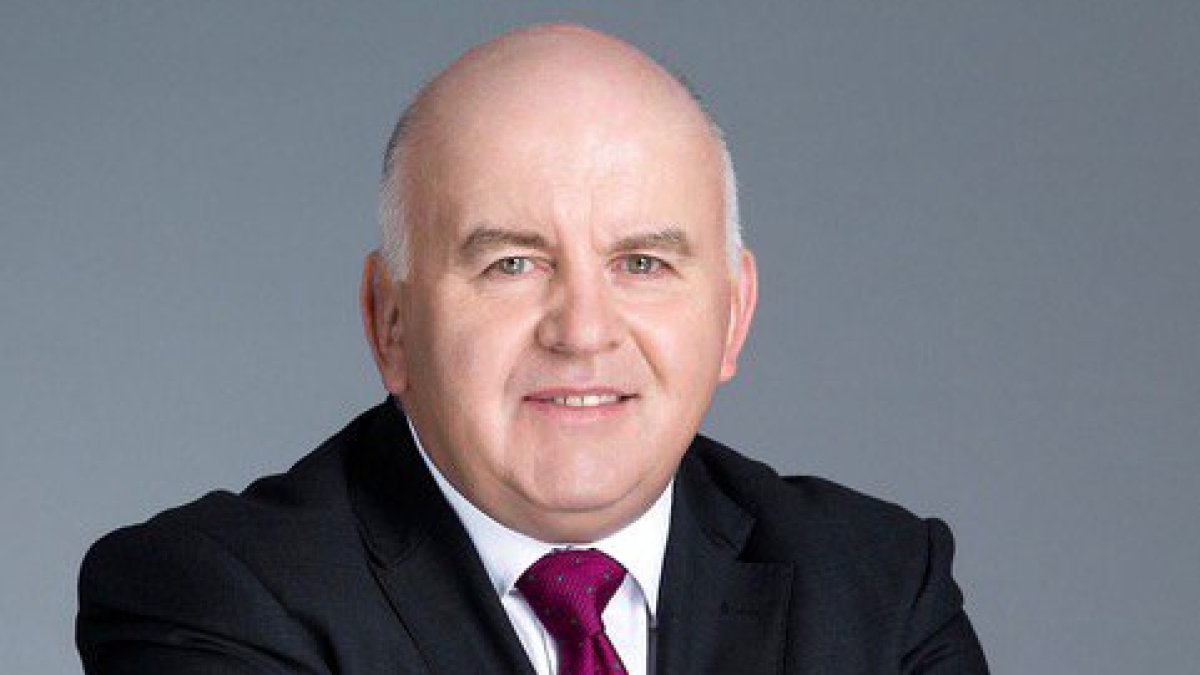
Soon after Bob Grace retired from his job as a regional director at Jaguar Landrover in 2018, he realised “you can only have so much free time” and decided to start a new career.
Then 56, the father-of-five admits he had “no plan for the future” other than knowing he wanted to leave his corporate career.
He started taking some of his private pension but quickly came to the conclusion that he did not want to “lose his brain”.
So a year on, he took the decision to do what he calls “unretire” and invested in a travel franchise.
After a tough initial year due to the Covid-19 pandemic, he says his travel consultancy, Not Just Travel, has made £1.6m in the past three or four years, and that he now has no timeline for his second retirement.
The 64-year-old says: “I’m in this for the long run as I really enjoy it. I don’t have that pressure that I had with my corporate career in that I can be my own boss.
“Personally, I think if you can keep your brain working while providing people with things they enjoy that’s very rewarding.”
Bob, who lives in Stratford-upon-Avon, Warwickshire, says he probably works more than 40 hours a week most weeks, but that he can work around doing other things, like being a “dad taxi” for his children, who are in their late teens and early twenties.
Bob is not alone.
Polling from Standard Life shows that 16 per cent of those who had retired have either already returned to work or are considering it amid ongoing financial pressures. Another 19 per cent said they had not appreciated how long retirement would last.
More than two million people aged above state pension age were still working in the 2024-25 tax year, according to HMRC.

Glyn Clark is another person who began working again after initially taking early retirement.
At 57, after a near 40-year career in financial services, including a stint at Goldman Sachs, Glyn retired in 2018 after he was made redundant from his role at a hedge fund.
“I quickly realised I didn’t know what to do with myself and wasn’t ready to retire,” says Glyn, who lives in north London.
“I initially looked at getting back into financial services but there wasn’t much going at my age and seniority. I became more and more desperate looking for work and considered becoming a postman,” he explains.
Eventually, he decided to invest his savings into opening a home care business called Radfield Home Care Camden, Islington & Haringey, of which is he now the director.
The firm provides home and live-in care and supports people with a variety of specialist medical conditions such as dementia, Parkinson’s disease, stroke, cancer and respiratory failure.
It involved putting around £120,000 of his own money into the business to get it going, but he now says the work suits him “down to the ground”.
He says he probably now works more than 60 hours per week, but has flexibility in that he can now work from home.
The 65-year-old says he has no plans to give up work in the future.
“I’m not going to retire, if anything I want to do more. There’s a decline in healthy life expectancy at the moment and I think a lot of it is down to people slowing down and not having a purpose,” he says.
“Some people live to 80 or 90 but they’re not necessarily more healthy as a result of retiring,” he says.
What to look out for financially if you unretire
If you start working again after taking your pension, there are financial pitfalls you need to look out for.
- Beware of the money purchase annual allowance. Usually, people can put £60,000 into their pension tax-free every year, but once you start accessing a defined contribution (DC) pension flexibly, this changes. Your allowance is restricted to £10,000 a year. “This could have a real impact on you if you were returning to work with the intention of rebuilding your pension,” explains Helen Morrissey, head of retirement analysis at Hargreaves Lansdown.
- The extra income could push you up a tax bracket. If you are taking pension income and income from work, you will be taxed on both incomes. So if for example, you are taking a £20,000-a-year pension, and go into work earning £35,000, you will face a marginal tax rate of 40 per cent, because your income takes you above the £50,270 higher rate tax threshold. “It may make sense to reduce or pause pension withdrawals where possible,” says Eamonn Prendergast of Palantir Financial Planning.
- Could you defer your state pension? If you return to work beyond your state pension age, you may find that you don’t need to access your state pension. “You don’t receive the state pension automatically when you reach state pension age, you need to claim it. For every nine weeks you defer you will get 1 per cent added to your weekly state pension amount. This means deferring for a year could give you a 5.8 per cent boost to your state pension when you do come to claim it which can be very useful,” says Morrissey. This can be a way to limit tax issues outlined above, but it’s always worth considering whether it’s right in your individual circumstance.