

New research presented at the European Congress on Obesity in Istanbul suggests that people who work longer hours are more likely to be obese. A lack of time can lead workers to rely on unhealthy convenience food and with less time to exercise, as well as higher levels of the stress hormone cortisol, which can increase fat storage. Every one per cent reduction in working hours was associated with a 0.16 per cent decrease in obesity rates.
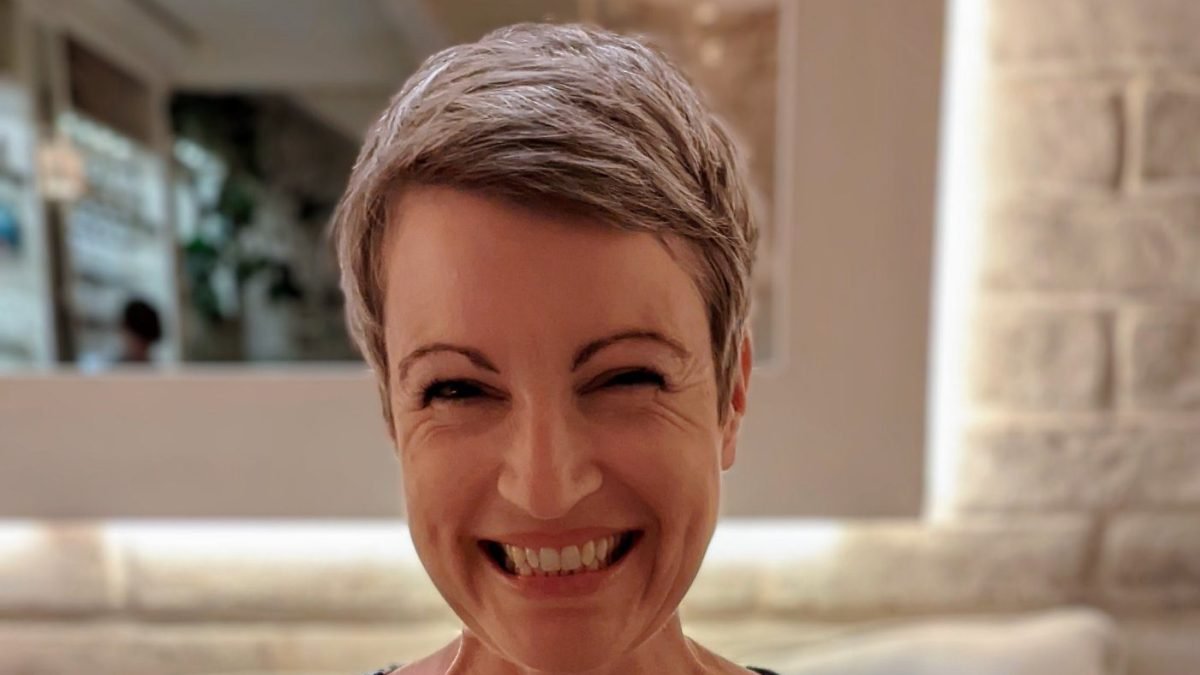
Susie Masterson, a 51-year-old psychotherapist and coach based in Manchester, first experimented with a four-day work week two years ago, before fully transitioning in January 2026. She explains how having Wednesdays away from work has transformed her health, resulting in significant weight loss, increased strength and a dramatic improvement to her overall wellbeing.
Before I retrained a decade ago, I worked in the tech sector for 20 years. I would regularly work 60-hour weeks. It had a massive impact on my health. I experienced multiple instances of burnout in that role; there were such highs and lows, and the pressure was constant. I needed to be on my A-game which was really detrimental both physically and mentally. I had lots of migraines, lots of digestive issues, low-level but chronic conditions and unexplained skin flare-ups that a holistic specialist would probably identify as stress.
I felt like I was investing in myself because I was paying for a personal trainer and therapy, but I wasn’t actually managing to stay on top of it all, I was so busy that I wasn’t consistent and wasn’t really taking care of myself outside of those sessions.
The long hours also impacted me nutritionally. I grew up as a young woman in the 90s (I’m not quite sure how any of us survived that era). There was the expectation of slimness placed on women, combined with the erratic hours and intensity, which made my diet really difficult to manage. I used to have what I jokingly called the “breakfast of champions”, which was a Diet Coke and a Mars bar and say things like “it’s the same thing as a SlimFast”. I would eat a lot of carbs and caffeine and processed food – not McDonald’s and things like that, but takeaway sandwiches and crisps. I would then have long periods of unintentional fasting, which I think my ADHD contributed to; if I was deep in a project, I would just forget to eat.
When I retrained as a psychotherapist and became self-employed 10 years ago, things dramatically improved. I began understanding women’s health issues, which encouraged me to improve my diet. But with this new role came a new kind of work pressure. I spend my time helping others, hearing intense stories and keeping it all confidential (apart from in supervision). It’s a very intense, isolating job. After three or four years into my private practice, even though I was already doing a lot fewer hours than I was in tech, I was yet again becoming depleted.
In my late 40s, I started to experience what I assumed were perimenopausal symptoms. I put on weight, despite the fact that I was still exercising at the gym regularly. I was starting to get migraines and all those other things I’d hadn’t experienced since I left the tech sector, as well as additional symptoms like anxiety. I took HRT, which was helpful but it wasn’t enough.
The symptoms weren’t as acute as in my previous career, but I started to make the connection. I was yet again burnt out. Changing my career had been sufficient before to give me a rest and help me recover, but this time, I wanted to practice what I preach. It was really important for me to do a map of my personal situation and understand where I could get real change back.
I went down to four days because I really didn’t want to get burned out again. Of course, I had to sacrifice a certain amount of salary to achieve this. I experimented with four-day weeks two years ago, but couldn’t keep it up financially until committing in January this year. And this time, because I feel much healthier, I can actually extend my working days. I’ve started doing conferences and getting paid for public speaking. I couldn’t have done this just by putting more time in the diary.
And at first, I thought Wednesday would be a creative day for me, where I could write my book. But I quickly realised having that time meant I was gravitating towards exercising first, doing things like meal prep and batch cooking, and suddenly it became what I call my “Total Health Day”. I realised it wasn’t enough to clear the decks so I could write my book or focus on my media work, I simply wasn’t healthy enough to do that.
I started “exercise snacking” throughout Wednesdays, which means short bursts of exercise throughout the day which would cumulatively add up to 30-40 minutes of 10-minute increments. Over time, that built up and I am now doing much longer strength training sessions every Wednesday. From there, I added in increments of strength training on Saturdays and Sundays, which have also built up to much longer strength training sessions. So these little pockets have built up both my strength and my motivation to keep going – I never used to do long sessions like that.
I’ve not only lost 10kg, I’ve also lost hidden, visceral fat around my organs, and increased my ratio of muscle to fat, which was really important to me. I feel much stronger doing tasks and much more flexible. I used to have a lot of joint pain in my hip and wondered if it was arthritis. But now, I have no pain at all.
Focusing on diet and exercise on that day off has actually given me more capacity to do the creative work I originally thought I’d do on my non-working day. It’s had a ripple effect on my productivity.
I genuinely do believe that working just four days a week has given me more capacity to understand my health and the health of others. It’s really changed what I do with my body.