
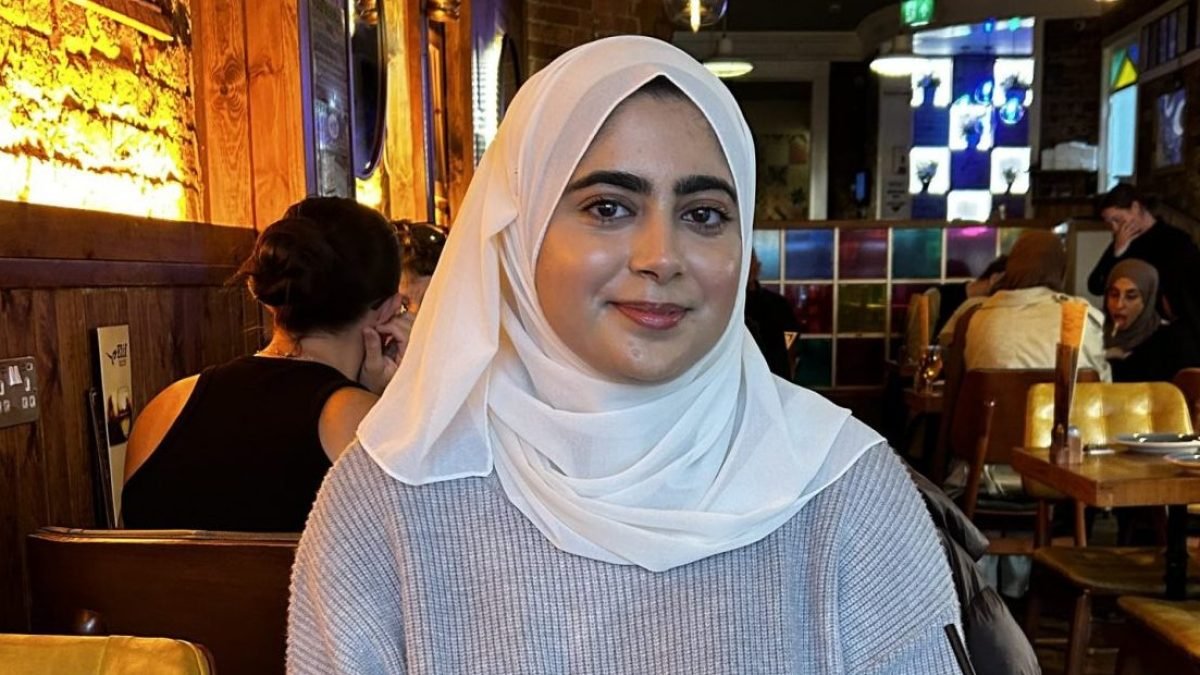

I still remember the moment I opened my Klarna and saw how much I owed. I felt suddenly sick. I sat there still and spiralling: how had this happened?
It was July 2024, and after emerging from the stressful mist of exams during my medicine degree, I decided to check my account to see how much I had to pay, expecting a reasonable number. This isn’t out of the ordinary, but a monthly habit. As a 24-year-old, I’ve used buy-now-pay-later over several years and to some extent, had been sensible with it.
However, to my horror, it wasn’t the £250 I was hoping for, but £1,000, accumulated over just a month without me ever consciously deciding to borrow that money.
My experience with buy-now-pay-later (BNPL) started in my second year of university. I was 22 and spotted a promotion at the self-service checkout in my local H&M. It looked good – Klarna would pay the total, and I’d repay it in installments, interest-free. I was sold on the idea that with just a few taps on my phone, I’d walk out with a bag full of (essential) clothes — with £100 I had originally budgeted for the clothes still in my pocket. At the time, it didn’t feel like debt. Over the next two years, as a student, it was a useful way to buy train tickets, clothes, shoes and skincare without feeling overwhelmed. I also used it to pay for larger purchases, such as a new laptop and a new air fryer.
At first, I never missed a payment and managed to stay within my means. But then I started to use Klarna out of sheer convenience. I didn’t have a new card saved on my phone, and instead of going across the room to fetch my purse, I was able to check out with just three taps, leaving the problem to future me.
I’ve always been a bit of a spender. If you’ve ever wondered who might buy a product after seeing an influencer promote it on social media, it’s me. So, at the end of my fourth year of university, with exam season anxiety at an all-time high, my Klarna usage slowly started to spiral out of control. I was buying skincare, candles and loungewear I didn’t need.
Researchers have a name for this: doom-spending. It’s a way for people to use retail to regulate anxiety and cope with stress. Research on impulse buying has found that women are disproportionately targeted by emotionally resonant advertising, particularly around self-care, and are more likely to engage in doom-spending behaviour to regulate mood and ease anxiety.
In the month leading up to my exams, shopping felt less like spending money, and more of a coping mechanism, catalysed by the ease of BNPL. The more stressed I felt, the more things I bought. Klarna just made it easier. New trainers for £100, a set of skincare products for £150, a wardrobe refresh for the summer. The purchases were entirely frivolous — that of a typical 23-year-old at university — but the ease with which they accumulated was startling. Each transaction felt purely frictionless: a few taps, the money still visible in my account, a vague due date 30 days away.
It was a cycle I didn’t fully recognise I was stuck in until I was already in deep. Eventually, once my exams were over, I built up the courage to open my Klarna. I couldn’t even recall all the purchases I made, what I did with the things I bought or how it came about. Paying off that £1,000 over a month meant working more over the summer and living frugally. Every payment felt like a dagger to the heart. By September, I had paid off the debt and then quickly deleted the app. Now I refuse to keep the app on my phone to remove the seamless experience I was addicted to, and no longer use it day-to-day.
The experience was life-changing. But I’m one of the lucky ones — a separate study found that 33 per cent of women are likely to use BNPL for essentials, and 19 per cent already use it to make ends meet. With bills and food prices on the rise, that figure is set to increase, and with that, a dangerous reliance on BNPL to survive.
Emma* first turned to BNPL services when she was 29, downloading Clearpay and other BNPL platforms to make ends meet — and is one of the growing number of young women who’ve had to rely on it to manage the rising cost of living but end up trapped.
At first, it felt like a way for the mother-of-five from Manchester to “get by” on universal credit and child benefits. “I have a disabled child, and went through a difficult time when my son was being diagnosed with ADHD and autism. It’s always been up and down when it comes to money, so I used to use Clearpay to buy clothes for the children,” she says.
“I’ve got a big family, so using BNPL in Asda made it easier to pay off the food shop. My son was still in nappies at the time, and I didn’t have enough money to pay for the big shop all in one go, or to pay for nappies,” she says. “I was able to use BNPL to split the payments into £25 installments, and it was useful for that.”
But over time, this habit became something harder to manage. Emma recalls when she started to feel “tempted” to use BNPL for things she didn’t need, despite not having the money in her purse.
A series of haphazard purchases, which included iPads and a TV, alongside essentials for her children, pushed her into debt. Emma ended up owing £1,500 to Clearpay. At one point, £200 was leaving her bank account every month to Clearpay alone. The experience left her stuck in a vicious cycle: she receives nearly £900 a month in universal credit and around £85 in child benefit, and after essential bills such as gas and electricity, she was left with only £200–£300 a month — most of which went towards payments that were often overdue and topped with fines.
A spokesperson at Clearpay said a minority of customers miss their payments. “Buy now, pay later is an everyday payment method used by millions of Brits. With 96 per cent of transactions being paid on time globally, our customers use Clearpay as a practical tool to manage their spending.”
They added: “Like any form of credit, BNPL needs to be used responsibly, which is why Clearpay is designed with clear repayment schedules and built-in safeguards, including pausing an account if a single repayment is missed to prevent further spending.”
Eventually, Emma sought advice from a financial charity who helped her obtain a debt relief order, which paused her debts for 12 months to give her time to seek financial advice and ultimately pay it off. But this was on her credit record for the next six years.
Simon Trevethick, head of communications at StepChange, has seen this pattern time and time again. “We’re increasingly seeing it used not just for one-off spending, but to help cover everyday living costs,” he says. “Before using it, people should consider whether they can afford the repayments alongside their other financial commitments and, where possible, avoid using it to cover essential bills. It’s positive that BNPL products will come under FCA regulation from July, bringing it in line with the consumer credit sector, but it’s important in the meantime that people are using it carefully.”
BNPL can cause a maelstrom of problems for young women living in a time of financial anxiety. We must see Klarna for what it is: debt. The sort that should not be glamourised.
A spokesperson from Klarna says: “Klarna’s BNPL products are interest-free, short-term, and a genuinely fairer alternative to credit cards, which charge sky-high interest rates and trap consumers in revolving debt. We run affordability checks on every transaction and these checks did their job in Zesha’s case, preventing her from getting into further debt on numerous occasions. Any customer can switch off our credit products on their own using our credit opt-out feature in the app.”