
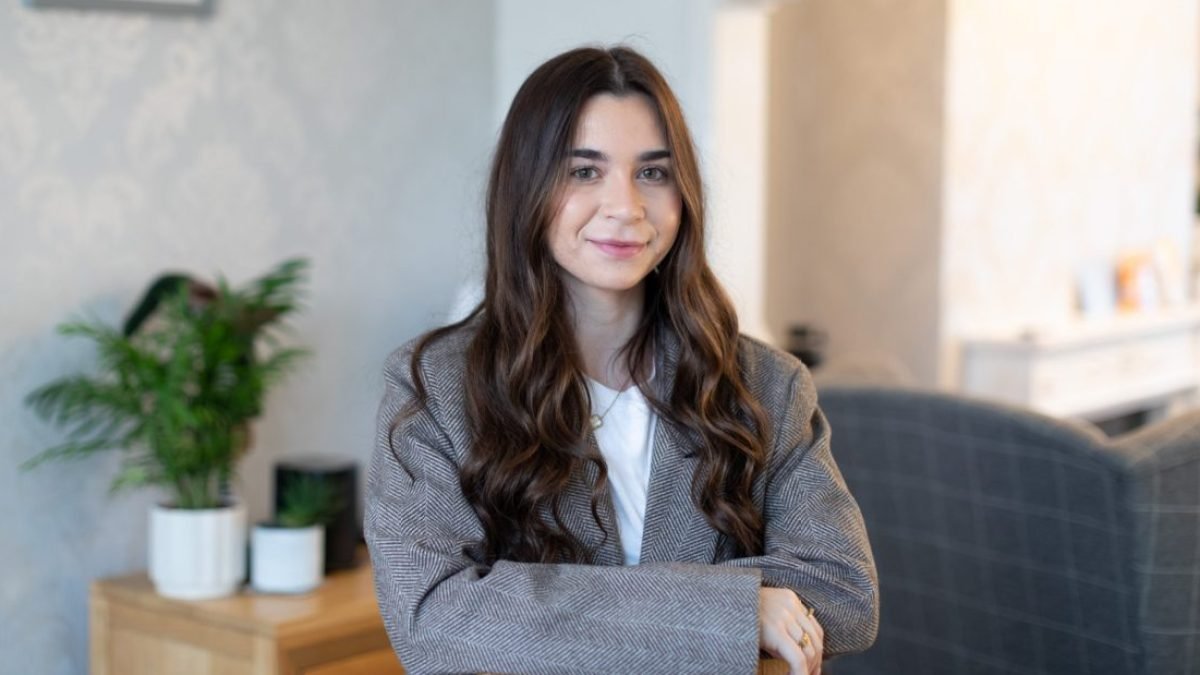
“So… what do you do for fun?”
It’s the third time I’ve been asked the question in under 10 minutes, and I still don’t have an answer that sounds especially convincing despite rehearsing it on the train journey over. I list a few safe options anyway: the gym, dog walks, trying new coffee shops.
I’m at a friend speed dating event for women in their twenties, in a bar in central Manchester.
I am queasy with nerves. Seeking a platonic relationship feels just as intimidating as dating. Romantic relationships come with a structure and you can measure compatibility in obvious ways. If you’re rejected by a partner, you just weren’t the right fit for them – if you’re rejected by a new friend, it’s hard not to take it personally.
Luckily, everyone seems just as nervous as I am. Everyone comes in alone, pausing at the door, and scanning the room, phone in hand, like a small safety net that could ring and get them out of here if needed. The atmosphere is hesitant. We’re all clutching our drinks and smiling politely while all feeling slightly embarrassed that we’re holding up a metaphorical “Do you want to be friends?” sign.
The event has been organised by Girls On The Go, a community that grew out of a charity running event. Founders Stephanie Barney and Caitlin Lewing noticed that many women weren’t just turning up to run but to connect with others.
“People were coming to the run club saying they really struggled to make friends,” Barney, 24, says. At university, the CEO had experienced that loneliness herself. “I felt like I was the only one,” she says. “I thought everyone else had friends and nobody was struggling as much as me. You’re told you’ll meet your best friends there but it doesn’t always work out that way.”
According to the Office for National Statistics, Gen Z are the loneliest age group in Britain, with 33 per cent of 16 to 29-year-olds reporting feeling lonely often, always, or at least some of the time.
I don’t think I’d class myself as a lonely person – I like my own company. But it’s true my options for friends have diminished. When I moved more than three hours away from where I grew up, I also moved away from the small group of friends I had, and I struggled to build anything meaningful.
I missed the small, everyday things: running errands, spontaneous plans, shopping trips. I’ve met people in the gym but they haven’t bloomed into anything more than a catch-up on the treadmill.
Girls On The Go now hosts around 13 events a week, from friend speed dating to crochet workshops, pottery painting and book clubs, across Liverpool, Manchester and Birmingham. Many sell out, and Barney says tickets have been compared to Taylor Swift’s Eras tour.

It’s one of many solutions that have been created to combat the friendship recession amongst my generation. Apps like Bumble for Friends and BeFriend are designed as a social networking app to form platonic relationships. In 2021, the non-profit organisation The Great Friendship Project was set up in response to the pandemic, and other in-person events, like run clubs and coffee meet-ups happen across the UK for those in their twenties and thirties.
Jane Ogden, a health psychology professor, says these in-person meet-ups are really important to form new connections. “The amount you can pick up simply by being face-to-face with someone in a room is huge. It’s far easier to be inauthentic online. It’s also much easier to trust somebody if you know them in person and you can read their body language.”
The event I’m attending is for females only which Barney says “is really important from a safety aspect”. Previous research by the Campaign to End Loneliness also found that women are more likely to be chronically lonely than men, and that 16 to 29-year-olds are twice as likely to be chronically lonely as those who are over 70.
Ogden thinks there is a gender divide in friendships. “Women still talk about feelings and men talk about doing. If men have a shared ‘doing’ they can talk about whatever sport is on and that gives them a connection,” she reflects. “Women are more prone to talk about relationships; what’s going on in life and how they’re feeling, which does require them to be more open and reflective.”
Most people that attend are between 18 and 28, like me, and a lot of them tell me they’ve also recently moved to the city – some from London, others from Scotland, all trying to build a circle again.
In typical speed dating style, we’re all sat in pairs on small tables with a card in front of us to write down details about the date and a “yes” or “no”. We’re given five minutes to talk to the woman in front of us before deciding if they could become a friend. We repeat this for two hours.
The conversations all start very similarly. You sit down, smile, ask where they live, if they’ve attended an event like this before, laugh, wait for the bell, move on. Like me, nobody I speak to has attended an event like this before. Some tell me they’ve got busy jobs, and don’t have time to meet people, or the places they do go are hard to make actual friendships. We’re all trying to solve the same problem.
Of the 13 people I manage to “date” during the time, I say yes to eight of them. Although we’re supposed to wait 48 hours for the events manager to send us the numbers of the women we’ve matched with, I take the numbers of a few that day, and we set up a group chat between us.
As the night continues, the conversations start to feel less rehearsed. The obligatory “what do you do for work?” question is replaced with deeper conversation, with one discussing her past relationship with me.
I find some opening up to me about loneliness, not liking their jobs, struggling with relationships and discussing the cost-of-living and milestone anxiety. The nitty-gritty I would usually discuss with my friends. I really connected with one, two years older than me, who lives in the city alone and works in marketing. “I just want somebody to do the normal things with,” she tells me as we’re sat in conversation, our untouched drinks between us. She seems fun and we bond over the shops we both love, coffee shops we obsess over and show each other images of our dogs. In the few minutes I have with her, it’s like talking to myself.
Barney says the impact of these events has been immediate. “Within the first couple of months, we had some girls who met at an event and decided to live together the following year,” she says. “It was like, ‘wow, we’ve actually helped create something long-lasting’.”
By the end of the night, I understand why these events work. In a world of online interactions where you maintain a friendship by liking posts and sending quick messages, meeting people in person can feel unusually difficult. This forces you into real conversations.
I have every intention of making my newfound friendships work, and for speaking with them for more than five minutes, the commitment a friendship takes, though, is varied. “When I imagine my first week at university I probably had three best friends in the space of four days,” says Ogden. “My heart was open to connection to people and I was ready for those but at different stages of my life, it’s been harder to make proper bonds with people. It’s more to do with the stage of life you’re in rather than the actual people you’re meeting.”
Luckily for me, everybody at the event is ready to make friends, even if they struggled to admit that at first. We’re all in a similar boat, and it’s a community I’m glad I have now found.