
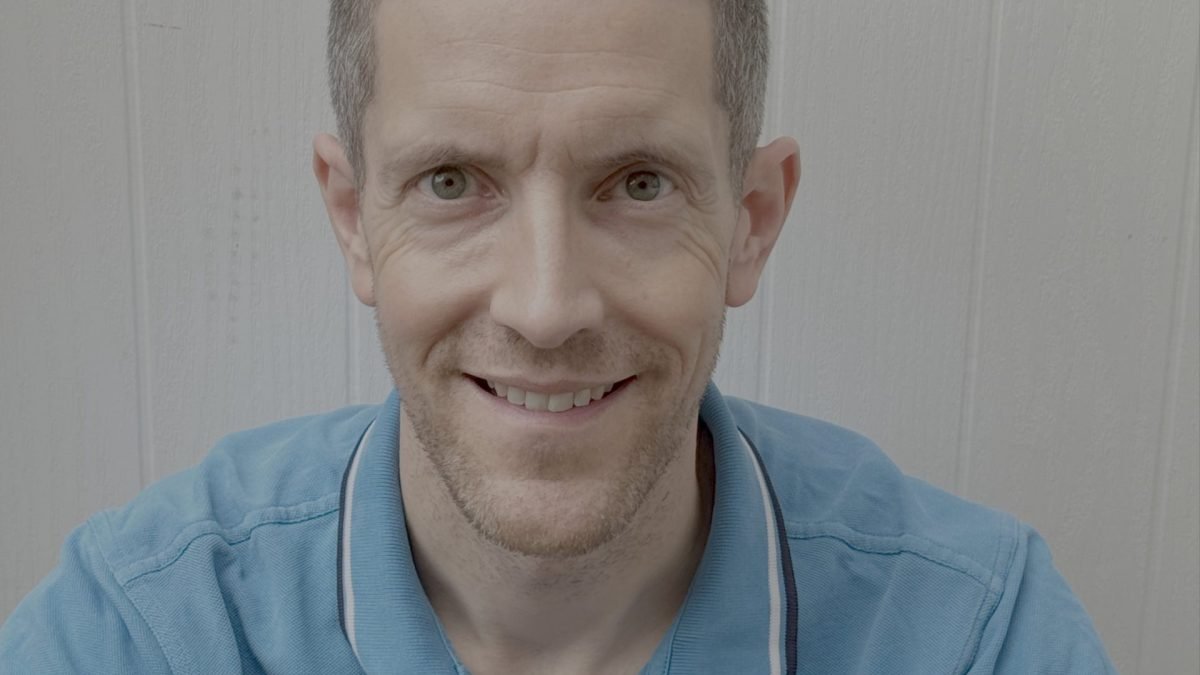

George Bass has been a campus security guard at a university in Kent for nearly two decades. His book, What The Bouncer Saw, is out now.
Campus security guards are first responders, which means we’re first on the scene to everything that happens. That could be fights, fire alarms, overdoses, self-harm, intruders – anything that involves immediate response. Our job is to keep things stable until the proper help can be called in.
I’ve worked as a campus security guard at the same university for 19 years. I was 25 when I first started, not much older than the students. The shifts are 12 hours, either 6am to 6pm or 6pm to 6am. I was on the night shift then but now I do day shifts. You work four days on, four days off.
We’re based in a control room but we’re mobile as much as possible – we have to be reactive. My campus is spread all around a city, and includes about 40 buildings, which range from remote football pavilions to 300-strong accommodation blocks. You could get called anywhere on the campus during a shift.
I view my job as sort of being like an uncle to the students. Legally, they’re all adults, but a lot of them are still learning what they can and can’t do. A lot of times they come to us with a problem and need reassurance. But you have to maintain a professional barrier. Sometimes you can be called to to reassure someone, and then a week later, when they’ve got their head together, you can be called to shut down a massive party they’re at.
One of the biggest issues I see is loneliness. If you believe the films, you think uni is a 24/7 toga party. A lot of students don’t realise that a big chunk of uni life is in a room on your own, which sounds a bit scary – a bit like jail, but without the set meal times. We do our best to chat to the kids who aren’t part of the crowd. We make sure no one’s on their own too much, because then you’re looking at a potential self-harm or something down the line.
Kids don’t realise that the party won’t come to them. They have to put themselves out there. If they get missed off the group chat when they move in, they can feel isolated. We always encourage the students to try and mingle for the first few nights. We’ll tell them to bring a big pizza into the kitchen and say they’ve over-ordered, and watch everyone flock towards it.
As someone who has to watch crowds, there seems to be less of a social scene since Covid. Obviously, you still get big events, but there’s a lot more people on their own in their rooms, which can lead to mental health issues among the more introverted students.
One of the things we deal with a lot is self-harm. There was one girl I remember who was really injured. We’re trained in first aid and catastrophic bleeding, so we patched her up, made her a cup of tea, sat her down and talked to her. I’m not qualified to say what was wrong with her, but she seemed very lonely. This was about 6am, and we had a chat about things she could do in the city and places to hang out. She left us in better spirits than we found her.
We break up wild parties too. In lockdown, we got called to a flat where there were 60 people in one kitchen. They claimed it was a study bubble. We get called to parties that have gone out of control, but I think that’s an occupational hazard of being 18.
We tell students to be careful with who they bring back to their accommodation. We had a bloke who brought 11 people from the pub, they barricaded the corridor with chairs and his bed frame, fired up a bong and started blasting music. Another time, a girl rang us up in a panic: “There’s a man running around my corridor with his willy out.” He was a rough sleeper. So I asked how he got into her block and she said: “I felt sorry for him so I brought him back for tea.”
Some kids arrive very independent, especially care leavers – they already know how to wash their clothes, pay bills and look after themselves. Other kids, perhaps from a more stable middle-class background, don’t know how to do much at all. Cooking often leads to a disaster. Some students once decided to make a cheese toastie in a toaster on its side – it caught fire, and torched the whole kitchen.
Of course, I see a lot of drinking and some drugs. Mostly the standard stuff, just kids having fun. But you do also sometimes get county lines stuff [where organised criminal gangs move drugs]. You need UCAS points to get into uni, but you can also get in on a foundation year and get your UCAS points at the uni. Occasionally, gangs will install a dealer on one of those foundation years. We had one incident where a plain clothes police officer apprehended a student – when we went to his room and it was like a factory full of heroin, knives and weapons.
Drug dealing has changed in my time on the job. Students don’t go and meet a stranger under a bridge anymore. They want it to work the same way as Deliveroo, and suppliers are very aware of that. They look at a student block and think: there’s 500 potential customers living there. We monitor a lot of short but repetitive movements of people. If somebody is going up and down to the flats all the time, for under 10 minutes, that would be flagged and potentially investigated.
Female students suffer a lot more from predatory issues – they get unwanted attention from guys. The students have access to a tracking app. If they want to, it will show us their location when they’re on uni grounds. If they want help quickly they can hit an emergency button and we’ll try and get to them as quickly as we can. Sometimes men don’t understand no – we have to step in and tell them to leave it alone or we’ll phone 999.
There are guys who’ve watched too many Andrew Tate videos and have this pressure to be ultra masculine. That’s a danger you’ve got to look out for. A lot of times at university, your only company is the internet – and algorithms are smart. A couple years ago, I was doing some anti-terror training run by an ex-Met Police officer. He told us: “You don’t realise how much of a target a place like this is for far right extremists. The far right loves to get its claws in a place like this, because it’s full of lonely, lost blokes who they can try and groom.” They create this sense of injustice among single blokes. There’s also a big gym and steroid culture at university.
We’re very mindful of these things. If we see guys who look hostile and aggressive all the time, we try to talk to them and monitor it. If a guy is being very disruptive, the university administrators will reach out to them. It can end in being ejected from the university.
A security guard is not a glamorous job, and there isn’t a lot of praise. We give up our nights, bank holidays and Christmases to keep an eye on people and make sure nothing bad happens to them. I’d like people to remember that we’re as vulnerable and as human as they are. But I do really enjoy my job. I used to work in labouring and factories and I never saw the point in those jobs. Now, I feel like I’m in the right place.
My message to parents would be that they probably grew up before smartphones, so all the bad and embarrassing things they did have not been documented. Everything their kids are doing is being documented. So go easy on them.
If they feel like they’ve messed up and everyone knows about it, just remind them that no one really cares. That’s what I say to a lot of the kids: “No one’s watching. No one cares. Don’t worry about it.”
“What the Bouncer Saw: Life on the Front Line of the Security Business” by George Bass is out now