
If I were a celebrity, I’d steer well clear of The Assembly. It takes a special sort of bravery to sit in that hot seat, knowing that any question can – and will – be fired at you. Not only do you have to answer whatever is thrown at you, you must do so in good faith and with honesty. It looks terrifying – which is why it makes for such rare, powerful television.
These interviewers aren’t just nosey fans or hacks with an agenda, they are – in their words – “a collective of autistic, neurodivergent and learning-disabled interviewers”. Their questions, therefore, don’t always stay within the parameters of what a neurotypical person might deem polite or socially acceptable.
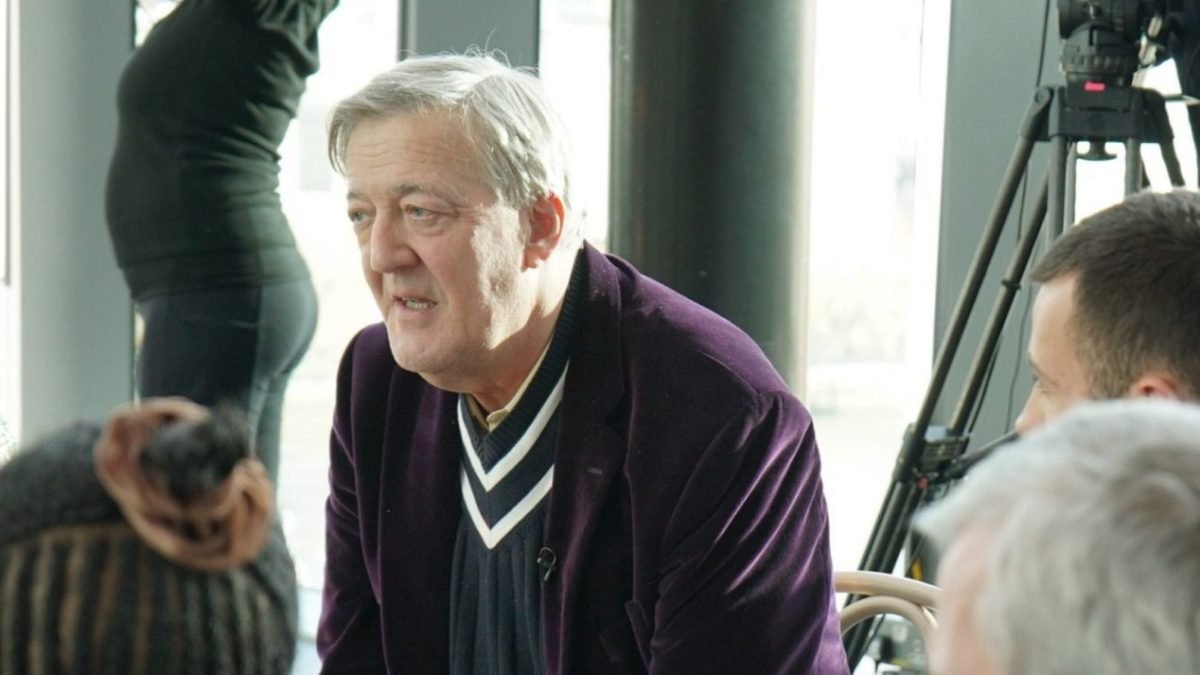
How wonderful it is to see Sir Stephen Fry squirm as he’s asked about his historic cocaine addiction, and rapper Aitch have to explain why he calls women “bitches” in his songs. We’re not used to seeing stars have to sit in this sort of discomfort, to have to talk openly about their worst moments. Nicola Sturgeon, for example, is visibly pained to talk about her very public arrest in 2023 and embarrassed to reveal whether she’s had any secret “rendezvous” recently.
But The Assembly, which is streaming on ITVX and YouTube, isn’t designed to humiliate or stitch up those who agree to sit down and be grilled. The questions, asked by people who genuinely mean well, are there to get closer to the interviewee than any other context can provide. In newspaper interviews, on the radio, on chat shows, the celebrity has a certain amount of power – often wielded by the people working for them, telling journalists what they can and can’t talk about. Here, they are defenseless, unable to simply say “no, you can’t ask me that”.

Only on The Assembly will you hear how Sir Lenny Henry met his birth father and what order he washes his body parts in.
The result is remarkably authentic, emotional and frank conversations. In this most recent series, one of the most poignant episodes features actor Anna Maxwell Martin, who speaks insightfully about the death of her ex, the father of her children. She reveals that she wondered if she had somehow brought on the event, given her own father had also died when she was young. Equally emotional is Sturgeon’s conversation about the baby she miscarried – she is stunned when one of the interviewees speaks her baby’s name, yet thankful for the opportunity to talk about her loss.
Of course, appearing on the show isn’t a zero-sum game for the celebrities. Agreeing to be grilled with no holds barred obviously makes them look very good, like they’re up for a laugh – that they haven’t committed the ultimate celebrity sin and started to take themselves too seriously. But that boost in good PR is only marginal in comparison to the – let’s face it – nosey line of questioning they will be subject to.

But the celebrities aren’t the real stars of The Assembly; the interviewers are. Now in its second series, the characters of the series are well established. There’s Caroline, who sits next to the celeb and asks incredibly personal (and always hilarious) asides, and Jodie, who always finds a way to ask a question about EastEnders, no matter who is sat in front of her, and literary fiend Luka, who performs a Wordsworth poem for Stephen Fry and a scene from Macbeth with David Tennant.
There are interviewers with Down Syndrome, with autism, with complex learning disabilities – people not usually afforded time or space on television. The Assembly doesn’t just put them on a level playing field; it puts the neurodivergent interviewers in charge and trusts them to take control of the situation. As they don’t think like everyone else, it makes sense that The Assembly is like no other chat show on TV. I hope it runs and runs.
‘The Assembly’ is streaming on ITVX and YouTube