How oil markets are weeks from ‘tipping point’ – and what it means

Oil stocks are dwindling to a critical level as the crisis in the Gulf continues, with experts now warning global markets are weeks away from a “tipping point” that will see prices soar beyond previous levels.

Prices have already reached a record high this week as Brent crude oil, the global benchmark for prices, rose by almost 7 per cent to more than $126 (£94) a barrel – the highest level since 2022.

But traders and analysts told the Financial Times that global stocks of crude, gasoline, diesel and jet fuel will hit a critical level by the end of May, which will push prices up even further.

Frederic Lasserre, head of research at oil traders Gunvor, told the newspaper they were no longer talking about months but rather weeks before “huge pain”.

He said: “It goes beyond gasoline at the pumps to industry shutting down – and you enter recession.

“The tipping point is clearly June. This is the point at which something has to give.”

It’s a view backed by Amrita Sen, founder of consultancy Energy Aspects, who said if the conflict continues until the end of June, all stocks would be exhausted and then “essentially you can pick a number when it comes to the oil price”.

Airline industry warning

The airline industry has already signalled a significant change pending by mid-June, while for some the issue has already come to a head.

Michael O’Leary, chief executive of Ryanair, told The Times airline rivals were “desperately” searching for ways to mitigate the situation with flight cancellations and consolidations, which could begin within weeks.

He said his company was in daily briefings with all big oil suppliers and there is “a modest improvement in the supply situation through to the end of May, early June” but he added that “nobody would give us any undertakings what happens in mid-June or thereafter”.

A worker loads luggage onto an Easyjet aircraft as a fuel truck "CarbOil" services the plane at Milan's Malpensa Airport on April 13, 2026. The European Commission said April 14, 2026 it fears Europe could face jet fuel supply issues "in the near future" with no end in sight to the Iran war roiling global energy markets. (Photo by Stefano Rellandini / AFP via Getty Images)
Jet fuel supplies will be at risk within weeks, say experts (Photo: Stefano Rellandini / AFP/Getty)

US air carrier Spirit Airlines says it’s going out of business after 34 years, ending operations immediately in the face of rising jet fuel prices.

O’Leary’s comments come after it was reported ministers are poised to give UK airlines permission to use a type of fuel currently used only by US carriers.

Airlines in Britain and Europe use Jet A-1 fuel, while planes in the US use Jet A fuel. Both fuels can be used in any jet aircraft and relaxing the rules could provide UK airlines with more options to avoid cancelling flights.

However, Sir Keir Starmer said earlier this week summer holidays may be hit by the ongoing crisis in the Middle East.

He told Sky News: “I can see that, if there’s more impact, people might change their habits… where they go on holiday this year, what they’re buying in the supermarket, that sort of thing.”

And Transport Secretary Heidi Alexander is expected to “level with” the public this weekend about the air travel situation, with the possibility of flight cancellations and contingency plans for long haul travel.

She is reported to be about to promote staycations in the UK as officials draw up plans warning people not to take long-haul flights to certain parts of the world if the situation deteriorates significantly.

Food and energy take a hit

The Bank of England warned on Thursday food and energy prices will be pushed up further by the Iran war this year.

Bank of England governor Andrew Bailey said: “Where we go from here will depend on the size and duration of the shock to energy prices itself driven by how the conflict in the Middle East evolves and how those higher energy prices affect consumer prices in the United Kingdom.

“The indirect effects on the inflation ‌are likely to be largest for food prices ​since food production and distribution are energy intensive.”

In its worst-case scenario, the Bank of England warned inflation could reach 6.2 per cent next year, with interest rates peaking at 5.25 per cent.

(FILES) A chef poses with a plate of fish and chips at Poppies fish and chip restaurant in east London on January 26, 2015. Fish and chips, that a classic British dish, is a popular takeaway food in the UK with local media reporting that somewhere in the region of 250 million portions are served up annually. Before the war in the Middle East, Captain Peter Bruce spent ??5,000 on diesel to bring back haddock and cod from The North Sea, which were served in fish and chips shops in British restaurants and supermarkets, a sure success at Easter.
Rising costs for energy, cooking oil and fish are already affecting food prices (Photo: Leon Neal/ AFP/Getty)

Scott Walker, GB Potatoes chief executive, told Sky News the way the industry works means the impact of war-linked costs will have a longer term effect, with “inevitable” increases in 2027.

He said: “Down the line prices will have to rise because we have a lot of costs coming.”

The majority of UK potato producers, he said, work to annual growing contracts with their customers, giving certainty over incomes and prices for the year ahead.

However, he cautioned 2027 contracts would have to reflect a doubling of red diesel, used by agricultural vehicles, and some fertiliser prices which have been hit by the blockade.

Rising costs for energy, cooking oil and fish are already affecting prices, according to the National Federation of Fish Fryers.

Andrew Crook, president of the National Federation of Fish Fryers, told the BBC recently uncertainty in the Middle East is “causing concern” in the industry.

Domestic energy bills are set to rise this summer. The current bill for a household using a typical amount of gas and electricity is £1,641. But the Bank of England has suggested this will rise “close to £1,900” in July, as events in the Middle East play out.

A long haul to recovery

After launching air strikes on Iran on 28 February, Donald Trump claimed the initial projection for conflict was “four to five weeks but we have capability to go far longer than that”.

Sixty days into the war, Trump told Congress that “hostilities that began on February 28, 2026 have terminated” as a result of the current ceasefire ending the need to seek approval for a continued conflict.

But the ongoing US blockade in the Strait of Hormuz continues, with economic implications worldwide, as about 20 per cent of the world’s oil and liquefied natural gas (LNG) and a third of the world’s fertiliser trade usually passes through the shipping channel.

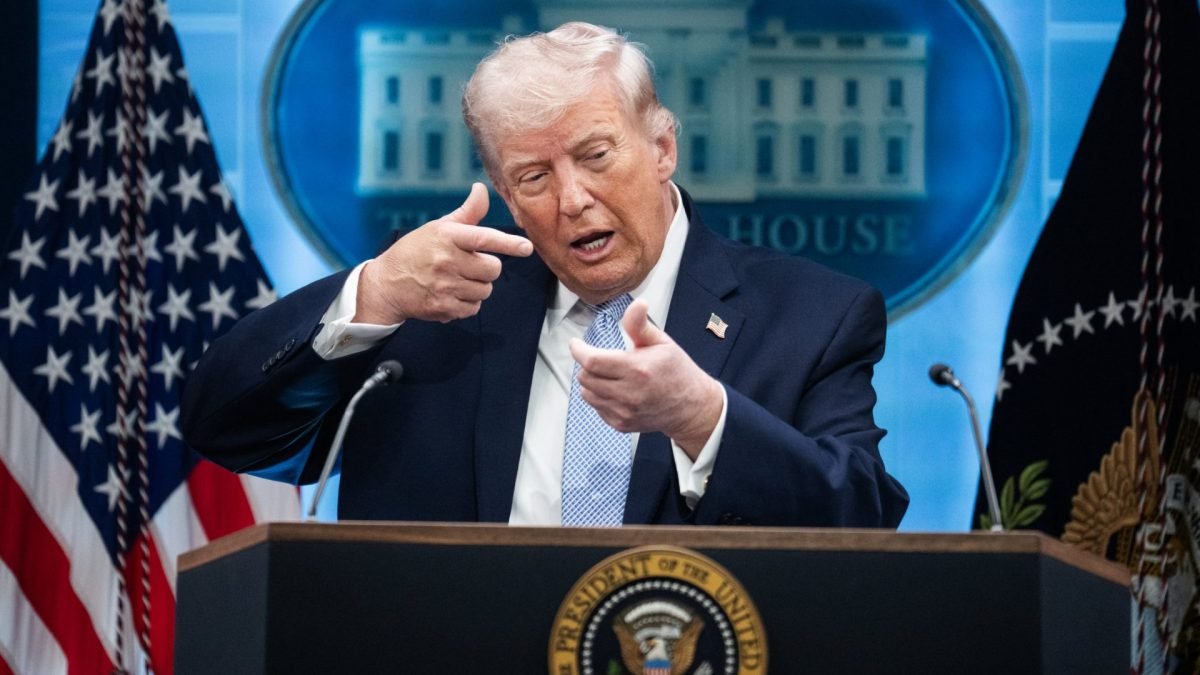
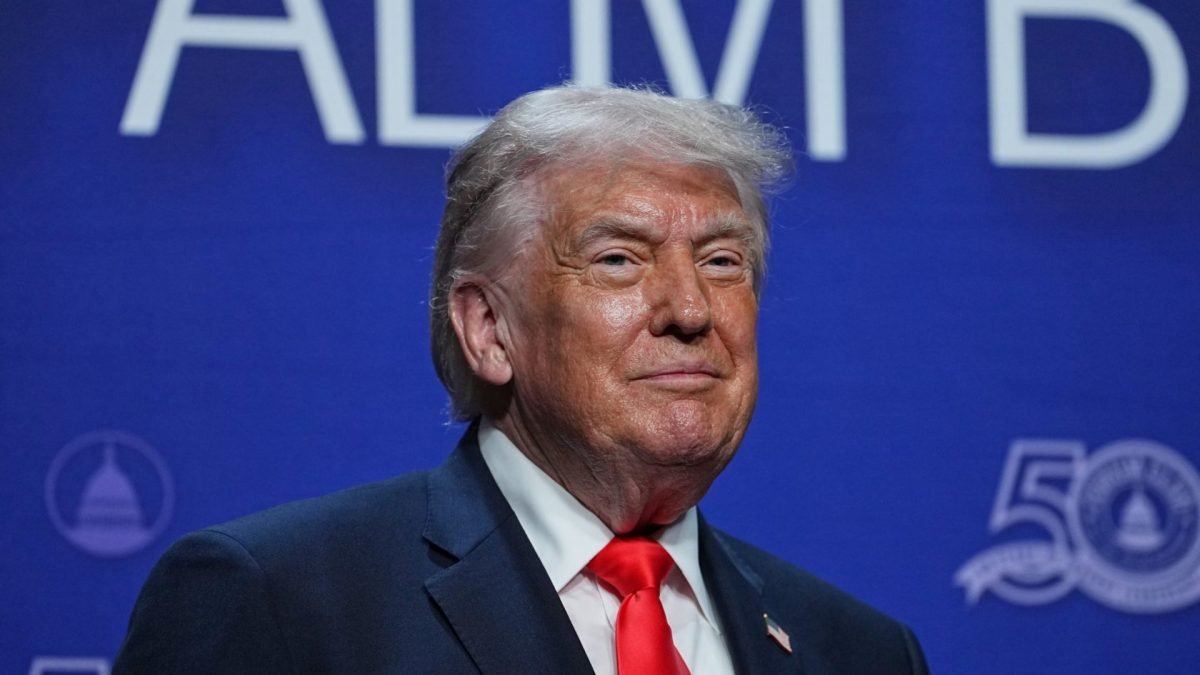
WASHINGTON DC, UNITED STATES - MAY 1: United States President Donald Trump speaks to the press before departing the White House for Florida on May 1, 2026, in Washington, DC. (Photo by Celal Gunes/Anadolu via Getty Images)
Trump says he is not happy with current conversations with Iran (Photo: Celal Gunes/Anadolu/Getty)

And there appear to be no signs of a resolution yet after Trump indicated on Friday that negotiations with Iran were not making much progress.

He said: “We just had a conversation with Iran. Let’s see what happens. But I would say that I am not happy.”

Later, he added: “We’re not going to leave early and then have the problem arise in three more years.”

Sir Keir Starmer has warned that even if a deal between the US and Iran can be reached, the economic implications of the conflict will continue to be felt for some time.

In an interview on BBC Radio 4’s Today programme, he said: “I think we obviously have to pull together countries to get the Strait of Hormuz open…and we need to get the Strait opened as quickly as possible.

“But even when that happens, I don’t want anybody to think that once the Strait of Hormuz is open, it all returns to normal. It won’t be like that.”
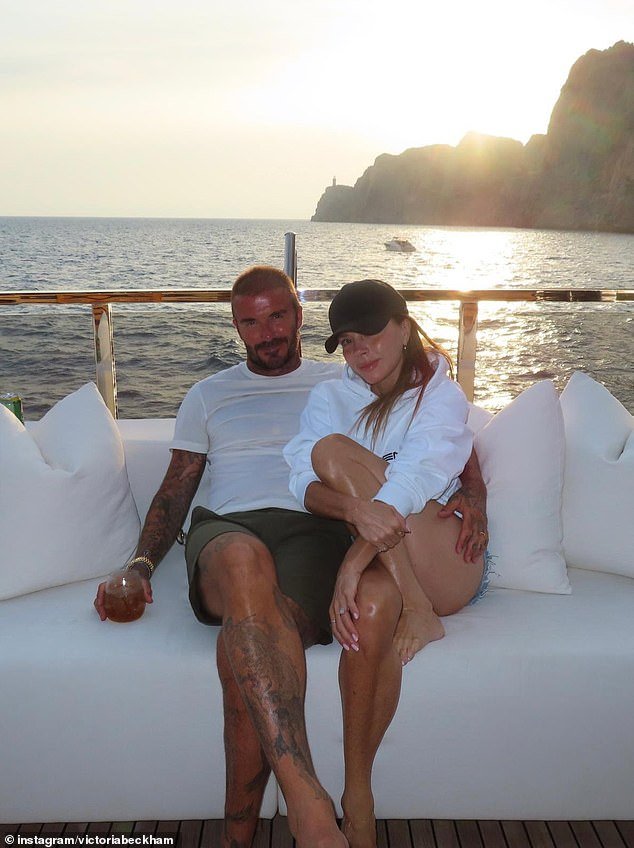
David Beckham, 51, mostra seu físico esculpido em minúsculas sungas enquanto a esposa Victoria escreve uma homenagem de aniversário escrevendo ‘Você é nosso mundo, nosso tudo’

Victoria Beckham fez questão de exibir seu marido David e provar que ele ainda tem 51 anos, quando ela comemorou seu aniversário no sábado.

Indo para o Instagram com uma emocionante homenagem ao aniversário, a ex-Spice Lady, 52, compartilhou uma foto de David exibindo seu físico esculpido enquanto usava um minúsculo par de sungas vermelhas.

Radiante com a foto tirada durante uma de suas muitas férias juntos, o ex-jogador de futebol deixou pouco para a imaginação enquanto exibia seu abdômen e uma variedade de tatuagens.

Victoria também compartilhou uma linda foto do astro do esporte quando criança segurando uma bola de futebol, bem como fotos dos dois parecendo apaixonados.

Em uma legenda sincera, ela escreveu: “Você é nosso mundo, nosso tudo. Nós te amamos muito!!!

‘Feliz aniversário para o melhor marido, pai, filho, irmão e amigo. Para a alma mais gentil e generosa. Vamos mimá-lo o dia todo!!!! Ninguém merece mais do que você, xxx’.

David Beckham exibiu seu físico esculpido em minúsculas sungas enquanto a esposa Victoria escrevia uma emocionante homenagem de aniversário para marcar o 51º aniversário da estrela

Em uma legenda sincera, ela escreveu: “Você é nosso mundo, nosso tudo. Nós te amamos muito!!!'

Em uma legenda sincera, ela escreveu: “Você é nosso mundo, nosso tudo. Nós te amamos muito!!!’

Romeo também acessou o Instagram com uma doce homenagem ao compartilhar duas fotos de infância com seu pai.

Ele escreveu: ‘Feliz aniversário, pai, te amo muito, obrigado por tudo que você faz’ e ‘Meu melhor amigo’.

Em outro lugar, o filho mais novo de David, Cruz, 21, compartilhou duas fotos em sua história no Instagram, mostrando ele e seu pai em um iate enquanto escrevia ‘Feliz aniversário, eu te amo xxx’.

A filha Harper, de 14 anos, seguiu a do irmão com uma postagem doce que dizia: ‘Feliz aniversário para o melhor papai do mundo’.

‘Eu honestamente nunca poderia pedir um modelo melhor também, você está sempre aqui para mim e eu sempre estarei aqui para você a qualquer hora e em qualquer lugar tenha o melhor dia de todos, você merece tudo’.

David iniciou suas comemorações com uma refeição suntuosa no The Dorchester, em Londres, na noite de sexta-feira.

Victoria deu um beijo na bochecha de David enquanto ele desfrutou de uma noite em família completa com bolo e velas na noite anterior ao seu grande dia.

Ele foi acompanhado por sua mãe Sandra, seu pai Ted e sua companheira Hilary, além das irmãs Lynne e Jojo para o jantar de pré-aniversário. Os pais de Victoria, Jackie e Anthony Adams, também compareceram.

Compartilhando uma série de fotos no Instagram, Victoria escreveu: “A primeira de muitas comemorações. Feliz aniversário!’

Embora nenhum dos filhos de Beckham parecesse estar presente nesta ocasião, Brooklyn e sua esposa Nicola Peltz sem dúvida deixarão de comemorar com David neste fim de semana.

David e Victoria não falam com o Brooklyn desde maio passado, quando ele e sua esposa desprezaram as comemorações do 50º aniversário do ex-jogador de futebol.

Ela também compartilhou uma foto do casal desde a juventude, quando David estava na era do corte de cabelo

Ela também compartilhou uma foto do casal desde a juventude, quando David estava na period do corte de cabelo

Romeo também acessou o Instagram com uma doce homenagem ao compartilhar duas fotos de infância com seu pai

Romeo também acessou o Instagram com uma doce homenagem ao compartilhar duas fotos de infância com seu pai

Ele escreveu: ‘Feliz aniversário pai, te amo muito, obrigado por tudo que você faz’ e ‘Meu melhor amigo’

Ele escreveu: ‘Feliz aniversário pai, te amo muito, obrigado por tudo que você faz’ e ‘Meu melhor amigo’

Em outro lugar, o filho mais novo de David, Cruz, 21, compartilhou duas fotos em sua história no Instagram mostrando ele e seu pai em um iate
Ele escreveu 'Feliz aniversário, eu te amo xxx'

Em outro lugar, o filho mais novo de David, Cruz, 21, compartilhou duas fotos em sua história no Instagram mostrando ele e seu pai em um iate enquanto escrevia ‘Feliz aniversário, eu te amo xxx’

A filha Harper, de 14 anos, seguiu a do irmão com uma postagem doce que dizia: ‘Feliz aniversário para o melhor papai do mundo’

A filha Harper, de 14 anos, seguiu a do irmão com uma postagem doce que dizia: ‘Feliz aniversário para o melhor papai do mundo’

Victoria também compartilhou uma linda foto da estrela do esporte quando criança

Victoria também compartilhou uma linda foto da estrela do esporte quando criança

O aniversário de David marca um ano desde que a rivalidade da família com o filho Brooklyn se tornou oficial, depois que o filho mais velho de Beckham e sua esposa desprezaram as comemorações de seu 50º aniversário.

O aniversário de David marca um ano desde que a rivalidade da família com o filho Brooklyn se tornou oficial, depois que o filho mais velho de Beckham e sua esposa desprezaram as comemorações de seu 50º aniversário.

David iniciou suas comemorações com uma refeição suntuosa no The Dorchester, em Londres, na noite de sexta-feira, cercado pela família.

David iniciou suas comemorações com uma refeição suntuosa no The Dorchester, em Londres, na noite de sexta-feira, cercado pela família.

Victoria falou sobre seu ‘desafiador’ ano passado em meio a sua rivalidade com o filho Brooklyn em uma rara entrevista na TV na semana passada.

Quando questionada no programa At this time pelas apresentadoras Jenna Bush Hager e Sheinelle Jones sobre os últimos tempos tumultuados para a família, Victoria não se referiu especificamente a seu filho, de 27 anos, mas disse que ‘sempre protegerá’ seus filhos.

Jenna perguntou diretamente a ela na entrevista: ‘Você teve um ano bastante desafiador publicamente – conversamos sobre isso neste programa. Como você supera os tempos difíceis?

Ela respondeu: ‘Sabe, eu e David somos tão próximos e temos pessoas incríveis ao nosso redor.

‘Somos próximos dos meus pais e dos pais de David. Apoiamos uns aos outros em tudo o que fazemos.

‘Nós amamos muito nossos filhos e sempre nos concentramos em protegê-los. Mas rimos muito. David é muito, muito engraçado.

Brooklyn cortou laços com sua família em um comunicado contundente nas redes sociais em janeiro, declarando que não tem planos de se reconciliar com seus pais famosos e acusando-os de “controlá-lo durante a maior parte de sua vida”.

David e Victoria não foram vistos com o filho desde então.

Victoria também disse na nova entrevista que ela e o marido confiam um no outro para enfrentar tempos difíceis.

Ela disse: ‘Nós apoiamos uns aos outros em tudo o que fazemos. Nós crescemos juntos. E é aí que me sinto tão abençoado.

‘Nós realmente crescemos juntos. Nós apoiamos uns aos outros. Nós dois temos grandes sonhos. Somos ambos muito, muito ambiciosos e apoiamos um ao outro. Quero que ele seja a melhor versão de si mesmo e é isso que ele quer para mim.’

This coastal town shows how Labour is losing its grip to the Greens and Reform

In the fast-changing Cliftonville area of Margate, Labour has already been sent an early warning of the threat posed to its so-called ‘Sea Wall’ in coastal towns at next week’s local elections.

The Kent seaside town is part of an East Thanet constituency, which elected Labour MP Polly Billington with a 7,000 majority less than two years ago at the 2024 general election.

But in last May’s local elections, Labour finished second to Reform UK in the Cliftonville ward, with 22 per cent of the vote.

Eleven months on, in a council by-election triggered after Reform councillor Daniel Taylor was jailed for behaving in a controlling or coercive way towards his wife, Labour’s vote in Cliftonville plummeted.

The party finished fourth with 10 per cent of the vote, while the Greens won the seat with 39 per cent, having polled 12 per cent less than a year ago.

Pollsters believe Labour could be set for a similarly punishing night in coastal towns and cities across England on 7 May, with Reform confident of winning in areas such as Sunderland and Worthing and the Greens eyeing victory in areas like Hastings and South Tyneside.

Rob Yates, the Greens’ candidate in Cliftonville, was previously Labour cabinet member for corporate services at Thanet District Council before he defected to the Greens last year, saying he felt his shift mirrored the views of the wider community.

He said: “The mood in Margate has changed significantly in the last year since Labour have been in government.

“It’s very hard to find anyone now who openly says they are Labour, and when I defected, I didn’t get a single negative response from anyone in the community; in fact, I think it made more people question their own politics.”

Green Party leader Zack Polanski believes this disillusionment in coastal towns will be affected across the UK on 7 May.

He told The i Paper that “voters are increasingly seeing that Greens are the only party offering a real alternative to the disappointments and U-turns of Labour” in “coastal places like Margate”, but also “South Tyneside, Hastings and Seaford”, where the party expects to perform well.

Margate's Cliftonville neighbourhood, site of a recent Green Party local by-election win.
Margate’s Cliftonville neighbourhood, site of a recent Green Party local by-election win.

East Thanet, once the stomping ground of Reform UK’s leader Nigel Farage when he tried to become a member of parliament for the first time in 2015, is home to a growing number of affluent residents, many of whom have moved from London and are fuelling a noticeable boom in trendy coffee shops and eateries.

In fact, Cliftonville’s high street was named among the “coolest streets in the world” by Time Out magazine last year.

However, more than 70 neighbourhoods across this part of Kent now fall inside England’s most deprived 10 per cent, according to Government data. That’s up from 51 in 2019.

The Greens’ win in Cliftonville was an unwelcome shock for Labour, which has held a majority of 30 out of 56 local council seats since the 2023 local elections for Thanet District Council.

In a one-bedroom ground-floor social housing flat, former Labour voter and long-time Margate resident John says he was one of the voters who turned his back on the party in favour of the Greens at the by-election, adding he wanted to see “change”.

“I’m giving a chance now to the Greens,” he says. “I really don’t want Reform anywhere near this area, and I don’t like Labour. They’ve all had their chance.”

John, a floating voter who has decided to vote Green this year.

Nearby, a man in his early 30s emerges from his delivery van to deliver parcels. Speaking of his support for the Greens, he said: “We’ve got a cost-of-living crisis, and they can sort it out,” adding that measures such as Labour’s Renters’ Rights Bill are “too little, too late”.

“I’ve already had to move out of London because I couldn’t afford it,” he says. “Everything is just so broken – we need a complete change.”

Labour’s seaside woes

If polling is to believe, Labour can expect a collapse in support in coastal towns and cities, which, traditionally, have been considered Labour heartlands, are now Green and Reform targets.

The ‘Sea Wall’ is a term that was first coined in 2022 and again around the 2024 general election to describe coastal communities that showed strong backing for Labour in both local and national elections.

In 2022, left-leaning think tank the Fabian Society published a report arguing the “Sea Wall” represented a “new constituency grouping” where Labour could dominate, with the focus on issues such as the cost of living crisis and public transport.

In 2024, Labour won the coastal seats, including Hastings, Blackpool South, Weston-super-Mare, Camborne and Redruth, Central Ayrshire and held Cardiff South, Penrith and Caerphilly in Wales.

Other longer-held seats include South Tyneside, Sunderland (Central and South) and Bournemouth. And, of course, East Thanet.

RAMSGATE, ENGLAND - APRIL 24: Reform UK leader, Nigel Farage, holds an inflatable lilo as he visits a beach shop on April 24, 2025 in Ramsgate, England. (Photo by Carl Court/Getty Images)
Nigel Farage held Reform’s party conference in Ramsgate, Kent, last year (Photo: Getty Images)

Since her election as MP, Billington has established the Coastal Parliamentary Labour Party, a group of 66 MPs set up to focus on coastal issues, including poor transport links, seasonal economies, and infrastructure.

Billington told The i Paper that many coastal towns often “have more in common” with each other than with other near neighbours in their own counties.

“Margate has more in common with Blackpool than it does with Sevenoaks, for instance,” she said. “For that reason, I have established the Coastal PLP to bring MPs from these places together.”

The Fabians’ Ben Cooper, who authored their ‘Sea Wall’ report, said Labour may find their fortunes have turned across these communities.

“I wrote that original paper because I grew up in a coastal city in the north of England and I felt these places were being ignored and left behind by economic changes,” Cooper said.

“But more than that, I think what’s happening in our coastal communities is part of a national story – some voted for Brexit or for UKIP, but then the conversation just seemed to stop.”

Despite Labour gains in coastal constituencies in 2024, Cooper has he has concerns for Labour in this May’s elections.

“I do think there is still a lot of local frustration in coastal communities that change isn’t coming quickly enough and that they are not being listened to,” he added.

For her part, Billington worries that people who have moved to Margate from London may not be aware of “the deprivation just around the corner”.

She is talking to the Government about establishing a “coastal economic strategy” to try and “identify the commonalities in coastal towns” and avoid “deep inequalities being overlooked”.

Seis bandas de rock que melhoraram após substituir membros importantes

Ei, Ouvi dizer que você sentiu nossa faltaestamos de volta!

É isso mesmo, meu amigo Matt Reigle e eu nos divertimos muito fazendo nossa última série de artigos/vídeos discutindo as maiores críticas no Corridor da Fama do Rock and Roll, decidimos fazer outro.

Desta vez, discutimos seis bandas que ficaram ainda melhores depois de substituir um membro anterior e importante.

Obviamente, “melhor” é um termo subjetivo, mas essas seis bandas alcançaram novos patamares comerciais e artísticos com as mudanças que fizeram.

DENNIS DEYOUNG DO STYX SLAMS ROCK & ROLL HALL OF FAME POR HONRAS ATRASADAS, ‘PRECONCEITOS’ CONTRA ESTRELAS MERECIDAS

Uma ressalva que decidimos incluir é que essas bandas precisavam já ter um álbum de uma grande gravadora em seu currículo. Isso significa que caras como Dave Mustaine (Metallica), Pete Finest (Beatles) e Mark Stone (Van Halen) sendo substituídos, entre outros, antes do primeiro disco da banda chegar às prateleiras não contam.

Okay, chega de preâmbulo, vamos começar.

3. Genesis adiciona Phil Collins

Phil Collins se apresenta no palco da Joe Louis Enviornment em Detroit, Michigan, durante o primeiro present da Invisible Contact Tour do Genesis em 18 de setembro de 1986. (Ross Marino/Getty Pictures)

Quando você pensa na banda Genesis, tenho certeza que 98% de vocês os imaginam como uma unidade pop brilhante com uma propensão para escrever músicas cativantes dos anos 80 para o rádio, mas nem sempre foi assim.

Antes de Phil Collins assumir as funções vocais, um homem chamado Peter Gabriel cuidava disso, e ele period muito bom por si só.

Genesis foi um grupo de rock progressivo durante grande parte da carreira de Gabriel do início até meados dos anos 70, mas ele optou por sair após o lançamento do álbum de 1974 “The Lamb Lies Down on Broadway” (esse título por si só já deve dizer tudo o que você precisa saber sobre o início do Gênesis e seus estilos musicais).

Collins, que na verdade period o baterista da banda na época, assumiu a função dupla de percussionista e vocalista principal.

A LENDA DO ROCK PHIL COLLINS ADMITE QUE AINDA ESTÁ ABAIXO QUE ELE NUNCA VAI SE APRESENTAR NOVAMENTE

Embora seus primeiros álbuns com Collins no microfone não tenham sido muito diferentes de seu catálogo anterior, period década de 1980. Duque que finalmente viu a banda se tornar as máquinas de sucesso que conhecemos hoje.

Com clássicos como “Misunderstanding”, “That is All”, “Land of Confusion” e “Invisible Contact”, entre outros, Genesis se tornou uma das maiores bandas de pop rock dos anos 80, e não acho que isso aconteça sem colocar Collins no lugar de vocalista.

Essa história também teve um remaining mutuamente feliz para a outra parte, já que Gabriel teve uma carreira solo de muito sucesso.

É sempre um bônus quando ambas as partes conseguem o que desejam.

2. AC/DC adiciona Brian Johnson

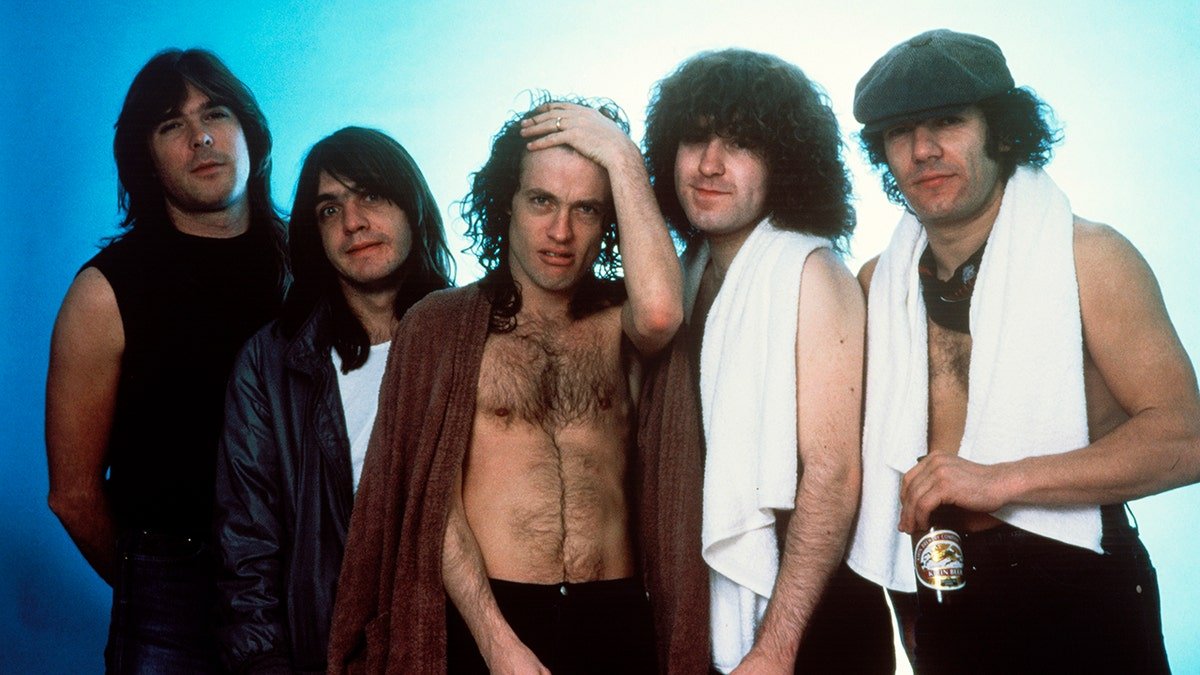
O baixista Cliff Williams, o guitarrista Malcolm Young, o guitarrista Angus Young, o baterista Simon Wright e o vocalista Brian Johnson do AC/DC posando nos bastidores

O baixista Cliff Williams, o guitarrista Malcolm Younger, o guitarrista Angus Younger, o baterista Simon Wright e o vocalista Brian Johnson do AC/DC posam nos bastidores após um present na Joe Louis Enviornment durante a turnê Flick of the Swap/Monsters of Rock em Detroit, Michigan, em 17 de novembro de 1983. (Ross Marino/Getty Pictures)

Esta pode ser um pouco injusta, visto que foi uma morte e não uma verdadeira substituição, mas é a nossa lista e podemos fazer o que quisermos, caramba!

De qualquer forma, ao longo da década de 1970, o AC/DC da Austrália cultivou seguidores leais como uma “banda de bar que fez sucesso” e tinha uma série de álbuns clássicos em seu nome, como “TNT” e “Excessive Voltage”, mas em 1979, muitos pensaram que a banda havia atingido seu pico comercial e artístico com o seminal “Freeway to Hell”.

Então a tragédia aconteceu, quando o vocalista Bon Scott engasgou com o próprio vômito depois de uma noite de bebedeira no início de 1980.

Scott period o coração e a alma da banda, bem como o líder de fato, então o resto do grupo ficou com o coração partido, mas prometeu seguir em frente em honra de seu irmão caído.

Brian Johnson entrou e o resto, como dizem, é história.

Com Johnson no grupo, o AC/DC gravou e lançou o que é, até hoje, um dos álbuns de rock mais vendidos de todos os tempos em “Again in Black”, que vendeu cerca de 50 milhões de cópias no momento em que este livro foi escrito.

Se eles tivessem acabado de lançar “Again in Black” e nada mais, Johnson provavelmente ainda estaria nesta lista, mas a banda continuou, e alguns de seus maiores sucessos como “For They About to Rock” e “Thunderstruck”, junto com os sucessos de “Again in Black” foram lançados durante a gestão de Johnson, consolidando seu legado e contribuições com a banda.

Engraçado, como meu colega Matt apontou, quando Johnson teve que fazer uma pausa por causa de uma lesão vocal, o AC/DC recrutou os serviços do vocalista do Weapons N’ Roses, Axl Rose, que substituiu Johnson de maneira mais do que admirável.

Esses caras do AC/DC sabem como escolher vocalistas.

1. Def Leppard adiciona Phil Collen

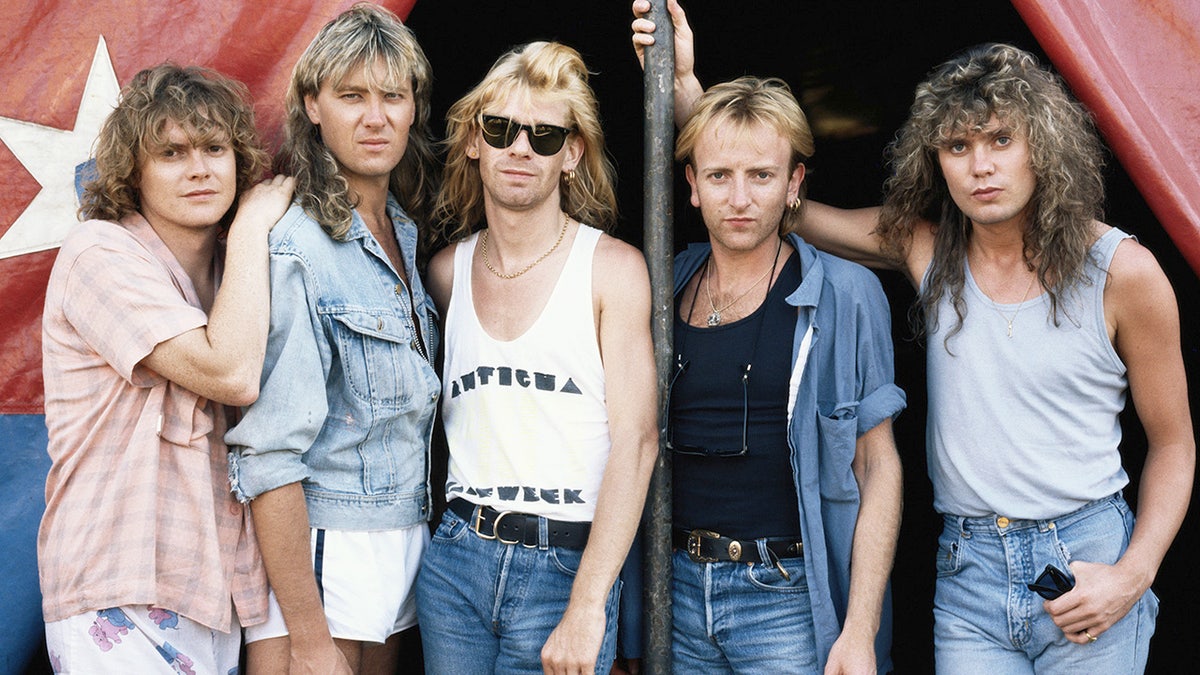
Membros da banda Def Leppard posando para uma foto por volta de 1985

O grupo inglês de heavy steel Def Leppard posa para uma foto por volta de 1985. (Tim Roney/Imagens Getty)

De Phil Collins a Phil Collen, temos todos eles nesta lista!

Este pode irritar alguns fãs de steel do início dos anos 80, mas tenha paciência comigo.

O BATERISTA DO DEF LEPPARD, RICK ALLEN, ADMITE QUE ESTÁ ‘LUTANDO’ DOIS ANOS APÓS UM ATAQUE ALEATÓRIO QUE O DEIXOU FERIDO

No início de sua carreira como uma banda de Sheffield, Inglaterra, Def Leppard foi um dos porta-bandeiras do movimento New Wave of British Heavy Metallic, com seu ataque de guitarra duplo de Steve Clark e Pete Willis ajudando a definir seu som.

Com álbuns reconhecidamente clássicos comoDurante a noite” e “Alto e seco” sob seu comando, o Def Leppard construiu uma base de fãs acostumada ao onerous rock alto, direto e corajoso.

Willis, porém, gostava de beber (aparentemente muito mais do que os outros membros da banda, o que já diz muito), e não podia ser confiável durante as sessões de gravação do próximo álbum, então eles lhe mostraram a porta e trouxeram Phil Collen, mudando totalmente a trajetória do grupo.

Pode-se argumentar que a influência do produtor Mutt Lange na banda teve um grande fator na mudança de seu som, mas ele já havia produzido “Excessive ‘n Dry” antes de Collen se juntar ao grupo, e quando a banda lançou “Pyromania” em 1983, ficou claro que este period um Def Leppard diferente.

Com sucessos como “{Photograph}”, “Too Late For Love” e “Foolin’”, Def Leppard se estabeleceu como deuses do rock de area, e isso foi antes de eles lançarem sua monstruosa obra-prima de 1987, “Hysteria”, para um público desavisado.

A estranha tendência de Collen para ganchos melódicos e seus soberbos vocais de fundo fizeram dele o ingrediente perfeito para fazer do Def Leppard a supernova que eles se tornaram nos anos 80 e início dos anos 90, e seu salto em popularidade coincidindo diretamente com sua adição à banda faz dele meu número um.

Agora que você entendeu o meu lado, aqui estão as três opções de Matt para substituições de rock:

3. Megadeth adiciona Marty Friedman

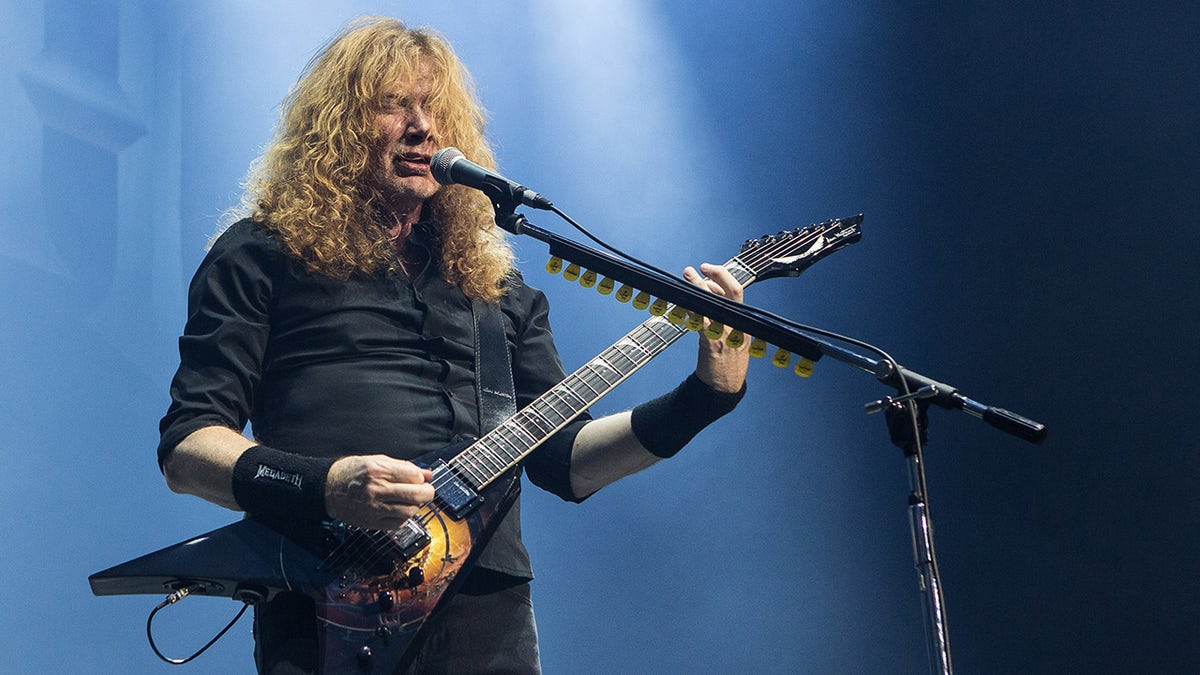
O guitarrista e vocalista Dave Mustaine se apresentando ao vivo no palco do Oslo Spektrum

O guitarrista e vocalista Dave Mustaine se apresenta ao vivo no palco com o Megadeth no Oslo Spektrum em Oslo, Noruega, em 5 de junho de 2018.

O Megadeth já tinha alguns lançadores de machados sérios em suas fileiras antes de entrar em estúdio para o sucessor de seu álbum de 1988 “So Far, So Good… So What!”

Obviamente, o líder da banda e vocalista Dave Mustaine é um músico monstruoso e empregou grandes guitarristas como Chris Poland e Jeff Younger em alguns dos primeiros discos, mas o Megadeth mudou para outra marcha quando Marty Friedman se juntou a eles em “Rust in Peace”, de 1990, um dos maiores álbuns de thrash steel de todos os tempos.

Friedman não period apenas uma máquina de triturar; ele trouxe frases e leads únicos inspirados na música do Oriente Médio que ajudaram a levar canções como “Hangar 18” e “Holly Wars… The Punishment Due” a outro nível.

Friedman deixou o Megadeth em 2000, mas continuou a ser uma grande influência no som da banda e em todos os outros guitarristas que substituíram seu lugar depois.

2. Iron Maiden adiciona Bruce Dickinson

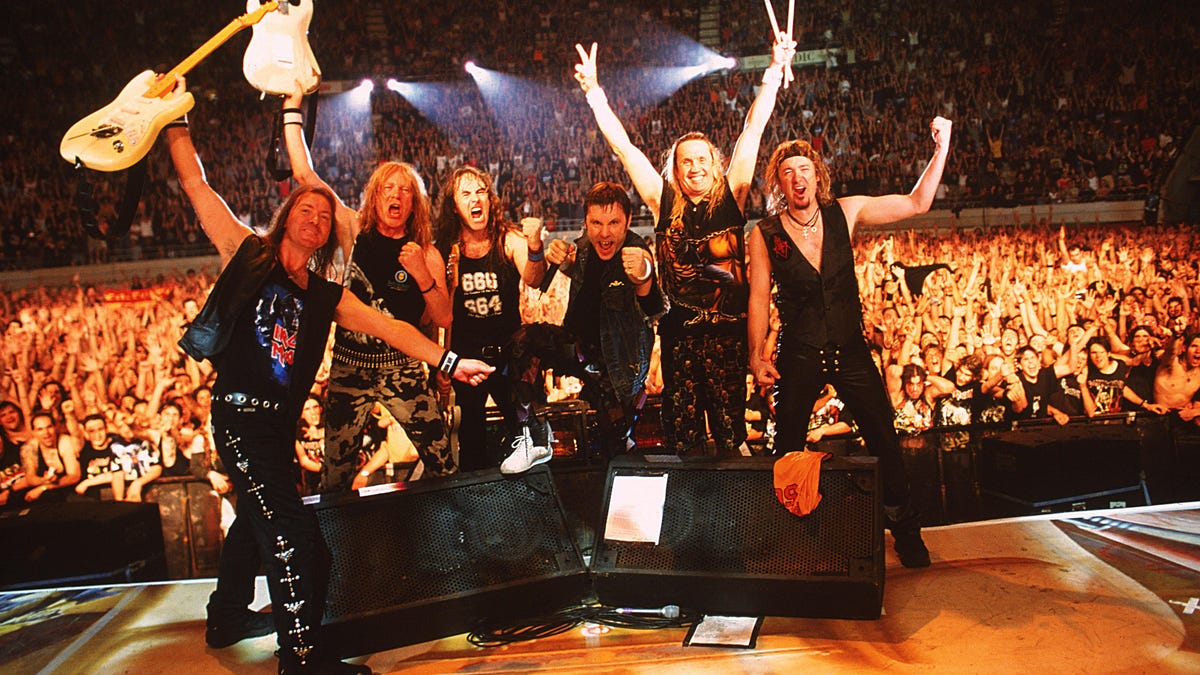
Os membros da banda Iron Maiden, Janick Gers, Steve Harris, Dave Murray, Bruce Dickinson, Nicko McBrain e Adrian Smith posando no palco do Palácio Vistalegre

Os membros da banda Iron Maiden, Janick Gers, Steve Harris, Dave Murray, Bruce Dickinson, Nicko McBrain e Adrian Smith, posam para uma foto de grupo no palco do Palacio Vistalegre, na Espanha, em 2 de novembro de 2023. (Mick Hutson/Redferns)

Se este ficar em segundo lugar na minha lista, você sabe que o número 1 será uma loucura.

TWISTED SISTER TOCA ÍCONE DE METAL DOS ANOS 80 PARA CONTINUAR LEGADO APÓS A SAÍDA SÚBITA DO FRONTMAN: ‘VOCÊ NÃO PODE PARAR ROCK ‘N’

Nos dois primeiros álbuns da banda, “Iron Maiden” e “Killers”, o homem por trás do microfone do futuro membro do Corridor da Fama do Rock and Roll foi o falecido grande Paul Di’Anno.

Mas por melhor que fosse, o Maiden sabia que eles precisavam de algo que os levasse ao limite e liderasse a carga da Nova Onda do Heavy Metallic Britânico.

Essa coisa period Bruce Dickinson. Os vocais crescentes, operísticos e influenciados por Ian Gillan de Bruce foram o molho secreto que levou o jogo do Maiden a outro nível.

Curiosamente, ele melhorou o jogo duas vezes. Depois de deixar a banda em 1993, Bruce voltou para “Courageous New World” de 2000, e o Maiden de repente voltou a tocar em locais e festivais maiores.

1. Pressa – Neil Peart

Um substituto tão bom que acho que as pessoas esquecem que ele é um substituto.

Quando o Rush lançou seu álbum de estreia autointitulado, John Rutsey estava por trás do equipment, tocando a bateria ao lado de Alex Lifeson e Geddy Lee.

Mas no álbum seguinte, “Fly by Night time”, eles trouxeram Neil Peart, e o resto é história do rock progressivo.

ZERO besteira. APENAS DAKICH. LEVE O PODCAST DON’T @ ME NA ESTRADA. BAIXE AGORA!

Peart é considerado um dos, senão o maior, baterista de todos os tempos e imediatamente abriu outra dimensão de possibilidades musicais para a banda.

Mas o falecido deus do tambor estava longe de ser um pônei de um só truque; ele também escreveu as letras da banda e, como qualquer fã do Rush sabe, as letras não dizem apenas o quanto você quer rock and roll.

CLIQUE AQUI PARA BAIXAR O APLICATIVO FOX NEWS

Não, o objetivo é jantar melada e beber o paraíso do leite.

Neil Peart foi um cara que elevou o desempenho de sua banda em várias frentes, e é por isso que estou chamando este de o maior substituto de membro ruim de todos os tempos.

Trump’s war has destroyed the illusion of US military supremacy

The war in Ukraine shattered a core assumption about great-power dominance: that size and military strength are enough to impose one’s will. Ukraine showed otherwise. With the right strategy, geography and resolve, a weaker state can survive and blunt – and in key respects even defeat – a much larger and stronger adversary.

The US now faces an uncomfortable parallel. The war with Iran is exposing similar limits to American power.

For decades, US grand strategy has rested on the belief that America’s unmatched military capabilities enabled it to uphold global stability and shape outcomes across entire regions.

After the failures in Iraq and Afghanistan, and the mess in Iran, many Americans have reached a stark conclusion: the cost of that primacy is no longer sustainable, and no longer serves their interests.

A strategy that depends on military dominance everywhere, at all times, inevitably means being at war somewhere, all the time.

America’s endless wars are not an accident, they are the product of this approach. And if there is one rare point of agreement in an increasingly divided country, it is this: Americans are tired of war.

Yet, despite a war-weary public, mounting economic strain and politicians who promise to end endless wars, inertia – and powerful economic interests tied to war – have mostly kept this approach intact.

The question now being asked is whether Trump’s debacle in Iran will finally break this pattern. Early signs suggest its repercussions may exceed even those of George W Bush’s war of choice in Iraq.

US President George W. Bush addresses the nation aboard the nuclear aircraft carrier USS Abraham Lincoln 01 May, 2003, as it sails for Naval Air Station North Island, San Diego, California. Bush declared major fighting over in Iraq, calling it "one victory in a war on terror" which he said would continue until terrorists are defeated. "In the Battle of Iraq, the United States and our allies have prevailed," Bush said. Bush touted Saddam Hussein's ouster as "a crucial advance" towards stamping out extremist violence.AFP Photo/Stephen JAFFE (Photo credit should read STEPHEN JAFFE/AFP via Getty Images)
George W Bush on the nuclear aircraft carrier USS Abraham Lincoln in May 2003, with the ‘mission accomplished’ banner in the background, barely a month into the Iraq war (Photo: Stephen Jaffe/AFP via Getty)

The US actually won the Iraq war in under three weeks. Its military dominance was never in doubt. But it lost the peace, failing to stabilise the country once the insurgency took hold.

In Iran, however, the US hasn’t even won the military phase of the conflict, despite facing a far weaker conventional force.

Iran has leveraged geography and asymmetric tactics to blunt American power and inflict a strategic setback. Even more striking, early claims that US air strikes had significantly degraded Iran’s drone and missile capabilities now appear overstated.

The lesson is clear: control of the skies does not guarantee control of outcomes, and without the will to deploy ground forces – and without the ability to translate airpower into decisive results – US military hegemony begins to look increasingly hollow.

Meanwhile, as some experts have pointed out, even though the Iraq war ultimately failed, it did achieve its immediate goal: overthrowing the regime of Saddam Hussein. In Iran, the opposite appears to have happened. Rather than damaging the regime, the war has likely strengthened it and reinforced hard-line control, at a time when it was looking weakened by domestic protests.

Smoke and flames rise at the site of airstrikes on an oil depot in Tehran on March 7, 2026. The United States and Israel launched strikes against Iran on February 28, prompting Iranian retaliation with missile attacks across the region and intensifying concerns about disruption to global energy and transport. (Photo by Sasan / Middle East Images / AFP via Getty Images)
Air strikes on an oil depot in Tehran on 7 March, 2026 (Photo: Sasan/Middle East Images/AFP)

Stephen Walt, a Harvard professor, notes that while the Iraq war destabilised the region, its global repercussions were relatively contained. It did not trigger an oil crisis, widespread food shortages or major supply chain disruptions. Iran, by contrast, has already sent energy markets into turmoil, driving oil and gas prices to record highs and triggering energy emergencies in multiple countries.

It may also have fundamentally reshaped the geopolitical landscape of the Persian Gulf for years to come.

Military primacy for the US was always a choice, not a necessity. The Iran war suggests it may no longer even be a viable one. A strategy built on escalation dominance falters when escalation itself becomes too risky to use. One that relies on decisive victories breaks down when enemies can consistently push for stalemates.

What emerges instead is arguably a different kind of global order: one not defined by dominance but by mutual denial. In this world, great powers cannot simply impose their will, and smaller states can resist them at tolerable costs. The result is not chaos, but constraint.

The most likely outcome of the current US-Iran stand-off is neither a deal nor a return to active war, but a prolonged, uneasy equilibrium. That, too, is a sign of the times.

The Trump White House may walk away from negotiations, but it is unlikely to re-enter a full-scale war. Not because the US lacks the capability, but because it lacks the strategic freedom to use it.

Demonstrators gather with Iranian national flags for a rally in support of the new Supreme Leader at Enghelab Square in central Tehran on March 9, 2026. Iran marked the appointment of Ayatollah Mojtaba Khamenei to replace his father as its supreme leader with a new barrage of missiles against Israel and the Gulf states on Monday, as the Middle East war sent oil prices soaring. (Photo by Atta KENARE / AFP via Getty Images)
Pro-regime demonstrators gather with Iranian national flags for a rally in support of the new Supreme Leader in central Tehran (Photo: Atta Kenare/AFP via Getty)

For countries that largely depend on US protection, this should be a wake-up call.

This does not mean alliances will collapse, but it does mean they will change. Countries will hedge more, diversify their security relationships and place greater emphasis on regional balances of power rather than reliance on a single guarantor.

In that sense, Iran is not a rupture so much as a speeding up of a trend already well underway.

Iraq and Afghanistan exposed the limits of Western occupation and regime change. Ukraine exposed the vulnerability of large conventional forces. Iran now exposes the limits of military coercion itself.

As my colleague Monica Toft argues, other smaller powers don’t need a vital waterway like the Strait of Hormuz to effectively constrain a superpower the way Iran has done. The shaping of terrain and geography – like in Ukraine – is sufficient. In short: Iran’s strategy is replicable elsewhere.

These conflicts, taken together, point to a more multipolar world – not because new great powers have risen but because existing ones can no longer dominate as they once did.

The danger for the US is not irrelevance. It’s that it continues to pursue a strategy designed for a world that no longer exists. The same is true for countries, like the UK, that have largely chosen to rely on American military dominance. American hegemony promised control, but the Iran war revealed the limitations of American power.

In the gap between promise and reality lies the likely end of an era. The winners will ultimately be those who adjust.

Trita Parsi is an Iranian-born foreign policy analyst, writer and the co-founder and executive vice president of the Washington-based Quincy Institute for Responsible Statecraft. He has authored four books on US foreign policy in the Middle East, with a particular focus on Iran and Israel.

Four things to know as Trump says he is ‘not satisfied’ with Iran war talks

Donald Trump has threatened a return to military action with Iran as negotiations appear to reach a sticking point.

Venting his frustration on Friday, he said he was “not satisfied” with Iran’s latest peace proposal, without spelling out in detail which elements he opposes. Trump has repeatedly called for Iran’s nuclear programme to end while Teran has demanded a release of frozen assets, estimated to be between $100-120bn (£73-88bn).

“They’re asking for things that I can’t agree to,” he told reporters at the White House.

A precarious ceasefire is currently in place but the US Navy continues to blockade the Strait of Hormuz, in a bid to restrict Tehran’s ability to profit from oil exports. This, coupled with Iran’s own blockade in a waterway which sees approximately 20 per cent of the world’s oil and liquefied natural gas (LNG) pass through, has caused flows to grind to a halt.

Trump said “disjointed leadership” in Iran was hampering any constructive moves towards a deal.

And he outlined two options for the US going forward: “I mean, do we want to go and just blast the hell out of them and finish them forever?

“Or do we want to try and make a deal? I mean, those are the options.”

File photo of U.S. Navy Adm. Brad Cooper, commander of U.S. Central Command, makes an announcement aboard Nimitz-class aircraft carrier USS Abraham Lincoln (CVN 72) in the Arabian Sea, Feb. 7, 2026. The United States has said its naval forces have reached a ???significant milestone??? after intercepting a 42nd vessel as part of its blockade of Iranian ports. In a statement issued on Wednesday (April 29), Adm. Brad Cooper, commander of US Central Command, said:
US Navy Adm. Brad Cooper, commander of U.S. Central Command, understood to have briefed Trump on military options with Iran (Photo:
CENTCOM / SWNS)

‘Short and powerful strikes’

The US President’s comments were made after he informed US Congress he did not need to seek its approval of the conflict, because the clock had been paused by the ceasefire.

US law requires a president to “terminate any use of United States Armed Forces” within 60 days of notification of strikes unless Congress grants permission. The date to request approval passed in the week.

An extended ceasefire with Iran was announced by Trump on 21 April, with him suggesting it was open-ended and dependent on the outcome of talks “until such time as their proposal is submitted, and discussions are concluded, one way or the other”.

Against this backdrop, the president is understood to have received briefings from military chiefs on Thursday about a wave of “short and powerful” strikes on Iran.

US publication Axios reported that Trump met with Commander Adm. Brad Cooper, from US central Command, and General Dan Caine, the chairman of the Joint Chiefs of Staff, to discuss resuming combat operations against Iran.

Sources said that the President believes the blockade of the Strait of Hormuz remains his primary source of leverage but would consider military action if Iran doesn’t agree to his terms of a deal.

Options said to have been on the table for discussion were:  a rapid wave of strikes on infrastructure, the involvement of ground forces to take over part of the Strait and a special forces operation to secure Iran’s stockpile of highly enriched uranium.

Military planners are also understood to be considering the possibility Iran will strike US forces in the region in retaliation for the blockade.

The White House has not commented on the meeting.

Long-range missile movement to Middle East

US Central Command (Centcom) made a request to the Department of War this week to deploy the Dark Eagle hypersonic missile to the Gulf region.

Centcom said it was necessary as intelligence sources had revealed Iran has moved its ballistic missile launchers out of range of the US’s Precision Strike Missile (PrSM), according to a report by Bloomberg.

If the request is approved, it would mark the first time a land-based hypersonic missile has been used by the US military in combat.

While the PrSM can hit targets up to 300 miles away, the Dark Eagle has a range of 2,000 miles allowing the US to hit Iranian assets which have moved beyond the range of the PrSM.

James Pattison, professor of politics at the University of Manchester, told The i Paper this week such a deployment “is likely to be seen as maintaining US ability to continue to strike within Iran if negotiations falter”.

US Naval assets may be bolstered in the Strait of Hormuz (Photo: Anton Petrus/Getty)

Israel braced for further conflict

Israel is also reported to be on heightened alert, ramping up preparations for a possible return to fighting with Iran, according to Israeli television Channel 12 reports.

Officials were understood to be preparing for the possibility negotiations between the US and Iran could collapse as early as the start of next week.

The report cited cabinet ministers who had been briefed that the US may need to “give a push” to its pressure campaign in the Strait of Hormuz through military strikes on Iranian gas and energy facilities, as well as government infrastructure.

That “push” was reported to include a possible build-up of naval forces by the US and Israel in the strait to threaten Iran.

Iran warns resumption of war ‘likely’

Iran also appears to have little confidence in reaching a peaceful settlement with the US.

Its military headquarters released a statement on Saturday, saying the resumption of war between the US and Iran is “likely” as the US is not “committed” to any agreement or treaty.

Mohammad Jafar Asadi, from the Iranian military’s central command centre said: “A renewed conflict between Iran and the United States is likely, and evidence has shown that the United States is not committed to any promises or agreements.”

It follows a statement from Iran’s judiciary chief Gholamhossein Mohseni Ejei on Friday in which he said his country had “never shied away from negotiations,” but would not accept the “imposition” of peace terms.

Washington has repeatedly said it will not end the war without a deal that prevents Iran from ever obtaining a nuclear weapon, the primary aim Trump cited when he launched the strikes
in February in the midst of nuclear talks.

A senior Iranian official told Reuters Tehran believed its latest proposal to shelve nuclear talks for a later stage was a significant shift towards reaching agreement.

Under the plan, the war would end with a guarantee Israel and the United States would not attack again. Iran would open the strait and the United States would lift its blockade.

Alex Zanardi, piloto de F1 e campeão paraolímpico, morre aos 59 anos

ROMA – Alex Zanardi, o campeão italiano do automobilismo que se tornou medalhista de ouro paraolímpico e cuja carreira foi marcada por dois acidentes que mudaram sua vida, morreu. Ele tinha 59 anos.

A família de Zanardi anunciou sua morte no sábado, dizendo que ele faleceu na noite de sexta-feira.

“Alex morreu em paz, rodeado pelo carinho das pessoas mais próximas dele”, disse a família em comunicado, sem informar a causa da morte.

Em 2020, Zanardi ficou gravemente ferido em um acidente de bicicleta depois de bater em um caminhão que se aproximava durante uma prova de revezamento na Toscana. Zanardi sofreu graves traumas faciais e cranianos no acidente e foi colocado em coma induzido.

Quase 20 anos antes, Zanardi perdeu as duas pernas em um acidente de automobilismo.

“A Itália perde um grande campeão e um homem extraordinário, capaz de transformar cada desafio da vida numa lição de coragem, força e dignidade”, disse a primeira-ministra italiana Giorgia Meloni no X.

“Alex Zanardi soube se recuperar sempre, enfrentando até os desafios mais difíceis com determinação, clareza e uma força de espírito verdadeiramente excepcional”, acrescentou Meloni. “Com suas conquistas esportivas, com seu exemplo e com sua humanidade, ele deu a todos nós muito mais do que uma vitória: deu esperança, orgulho e força para nunca desistir. Em meu nome e do governo, estendo meus sinceros pensamentos e a mais sincera proximidade à sua família e a todos aqueles que o amaram. Obrigado por tudo, Alex.”

Zanardi venceu dois campeonatos na CART – 1997 e 1998 – nos Estados Unidos antes de um breve retorno à Fórmula 1. Ele voltou para a América e estava competindo na Alemanha em um evento da CART em 2001, quando suas duas pernas foram decepadas em um acidente horrível no fim de semana após os ataques terroristas de 11 de setembro. A CART correu apenas porque a série já estava na Alemanha na época dos ataques e não poderia retornar aos EUA

Durante sua recuperação, Zanardi desenhou suas próprias próteses – ele brincou dizendo que ficou mais alto – e aprendeu a andar novamente. Ele então voltou sua atenção para o ciclismo guide e se tornou um dos atletas mais talentosos do mundo. Ele ganhou quatro medalhas de ouro e duas de prata nas Paraolimpíadas de 2012 e 2016, competiu na Maratona de Nova York e estabeleceu um recorde de Ironman.

Quando venceu uma corrida paraolímpica em 2012 no circuito britânico de Manufacturers Hatch, onde competiu quando period um jovem piloto, Zanardi comemorou o momento do círculo completo segurando sua bicicleta no alto com uma mão enquanto estava sentado na pista.

Seu espírito, vontade e determinação deram ao amado italiano uma personalidade grandiosa. Quando retornou aos EUA em 2019 para competir pela BMW no Rolex 24 de Daytona sem suas próteses, ele period o piloto mais reverenciado em um campo que incluía o campeão de F1 Fernando Alonso.

Motoristas de todo o mundo procuraram Zanardi para tirar fotos e ficaram paralisados ​​enquanto ele contava histórias elaboradas de suas aventuras nas quase duas décadas desde que muitos o viram.

Zanardi usou carros especialmente adaptados com controles manuais para acelerar e frear para voltar a correr após o acidente de 2001 – e bem o suficiente para vencer corridas em várias séries.

Stefano Domenicali, presidente e CEO da F1, disse estar “profundamente triste com o falecimento do meu querido amigo”, chamando Zanardi de “uma pessoa verdadeiramente inspiradora, como ser humano e como atleta”.

“Ele enfrentou desafios que teriam impedido qualquer um, mas continuou a olhar para frente, sempre com um sorriso e uma determinação teimosa que inspirou a todos nós”, acrescentou Domenicali. “Embora sua perda seja profundamente sentida, seu legado permanece forte”.

A Federação Internacional de Automobilismo (FIA) disse no X que a carreira de Zanardi no automobilismo e “a jornada desde um acidente que mudou sua vida até a medalha de ouro nas Paraolimpíadas fizeram dele um dos competidores mais admirados do esporte e um símbolo duradouro de coragem e determinação”.

Famoso pelo seu sorriso contagiante e pela narrativa fantasiosa, Zanardi foi elogiado pelo Papa Francisco após a sua queda em 2020 como um exemplo de força em meio à adversidade. Francisco escreveu uma carta manuscrita de encorajamento garantindo a Zanardi e sua família suas orações.

A família de Zanardi acrescentou que “agradece a todos que estão compartilhando seu apoio neste momento e pede respeito durante este período de luto”.

Os detalhes do funeral ainda não foram anunciados, disse a família.

O Comitê Olímpico Italiano pediu um minuto de silêncio em todos os eventos esportivos na Itália no fim de semana para homenagear Zanardi.

Zanardi, que nasceu em Bolonha, deixa sua esposa, Daniela, e seu filho, Niccolò.

Petroleiro de GLP ligado à Índia, Sarv Shakti, tenta cruzar Ormuz

O superpetroleiro de GLP Sarv Shakti, ligado à Índia, está tentando sair do Estreito de Ormuz, mostraram dados de tráfego marítimo no sábado (2 de maio de 2026).

O grande transportador de gás (VLGC), com bandeira das Ilhas Marshall e uma tripulação indiana a bordo, transporta cerca de 45.000 toneladas de GLP, segundo relatórios. De acordo com www.marinetraffic.como navio havia cruzado a ilha iraniana de Larak e se dirigia ao Golfo de Omã.