If I were a celebrity, I’d steer well clear of The Assembly. It takes a special sort of bravery to sit in that hot seat, knowing that any question can – and will – be fired at you. Not only do you have to answer whatever is thrown at you, you must do so in good faith and with honesty. It looks terrifying – which is why it makes for such rare, powerful television.
These interviewers aren’t just nosey fans or hacks with an agenda, they are – in their words – “a collective of autistic, neurodivergent and learning-disabled interviewers”. Their questions, therefore, don’t always stay within the parameters of what a neurotypical person might deem polite or socially acceptable.
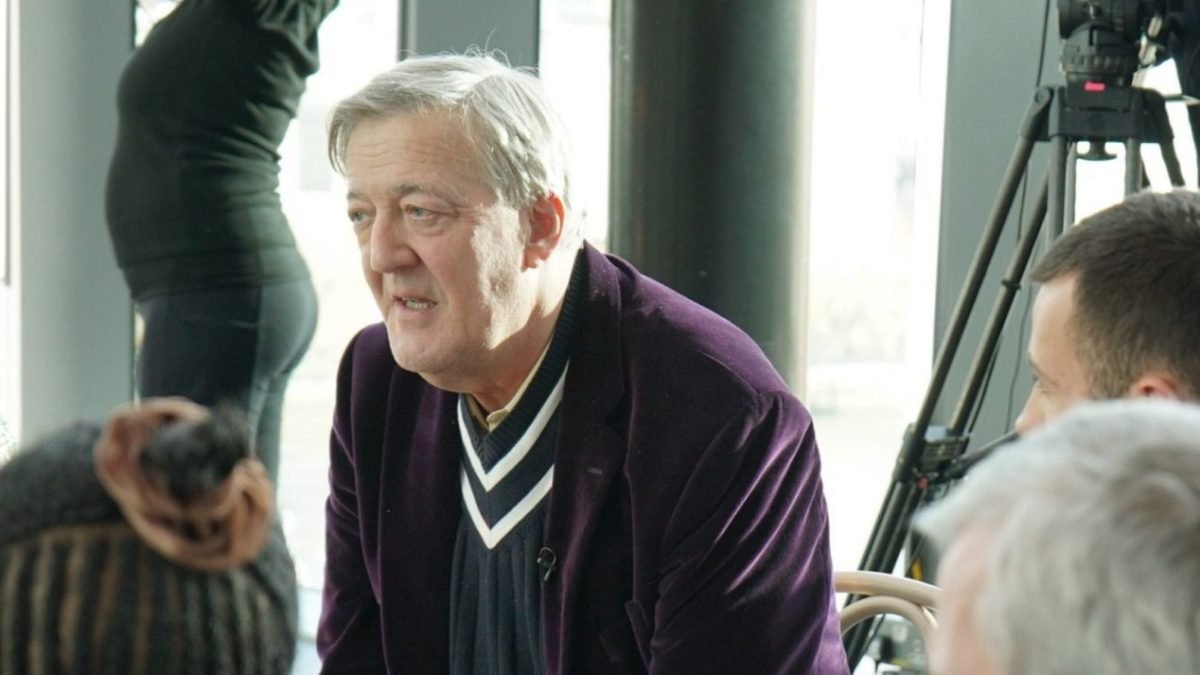
How wonderful it is to see Sir Stephen Fry squirm as he’s asked about his historic cocaine addiction, and rapper Aitch have to explain why he calls women “bitches” in his songs. We’re not used to seeing stars have to sit in this sort of discomfort, to have to talk openly about their worst moments. Nicola Sturgeon, for example, is visibly pained to talk about her very public arrest in 2023 and embarrassed to reveal whether she’s had any secret “rendezvous” recently.
But The Assembly, which is streaming on ITVX and YouTube, isn’t designed to humiliate or stitch up those who agree to sit down and be grilled. The questions, asked by people who genuinely mean well, are there to get closer to the interviewee than any other context can provide. In newspaper interviews, on the radio, on chat shows, the celebrity has a certain amount of power – often wielded by the people working for them, telling journalists what they can and can’t talk about. Here, they are defenseless, unable to simply say “no, you can’t ask me that”.
The Assembly isn’t designed to humiliate the celebrities (Photo: Rockerdale Studios/ITV and ITVX)
Only on The Assembly will you hear how Sir Lenny Henry met his birth father and what order he washes his body parts in.
The result is remarkably authentic, emotional and frank conversations. In this most recent series, one of the most poignant episodes features actor Anna Maxwell Martin, who speaks insightfully about the death of her ex, the father of her children. She reveals that she wondered if she had somehow brought on the event, given her own father had also died when she was young. Equally emotional is Sturgeon’s conversation about the baby she miscarried – she is stunned when one of the interviewees speaks her baby’s name, yet thankful for the opportunity to talk about her loss.
Of course, appearing on the show isn’t a zero-sum game for the celebrities. Agreeing to be grilled with no holds barred obviously makes them look very good, like they’re up for a laugh – that they haven’t committed the ultimate celebrity sin and started to take themselves too seriously. But that boost in good PR is only marginal in comparison to the – let’s face it – nosey line of questioning they will be subject to.
Nicola Sturgeon’s interview was surprisingly emotional (Photo: Rockerdale Studios/ITV and ITVX)
But the celebrities aren’t the real stars of The Assembly; the interviewers are. Now in its second series, the characters of the series are well established. There’s Caroline, who sits next to the celeb and asks incredibly personal (and always hilarious) asides, and Jodie, who always finds a way to ask a question about EastEnders, no matter who is sat in front of her, and literary fiend Luka, who performs a Wordsworth poem for Stephen Fry and a scene from Macbeth with David Tennant.
There are interviewers with Down Syndrome, with autism, with complex learning disabilities – people not usually afforded time or space on television. The Assembly doesn’t just put them on a level playing field; it puts the neurodivergent interviewers in charge and trusts them to take control of the situation. As they don’t think like everyone else, it makes sense that The Assembly is like no other chat show on TV. I hope it runs and runs.
“As forças de segurança destruíram 23 bunkers construídos ilegalmente em Manipur‘s Ukhrul e apreendeu 18 dispositivos explosivos improvisados (IEDs) no distrito de Tengnoupal em operações separadas”, disse um comunicado da polícia no sábado (2 de maio de 2026).
“Os bunkers foram destruídos na quinta-feira (30 de abril de 2026) nas aldeias montanhosas de Mongkot Chepu, Shongphel, Mullam, Sirarakhong e Ringue, na área da delegacia de polícia de Litan”, afirmou.
In defence circles, conversation has for months been dominated by the upcoming Defence Investment Plan – a now semi-mythical document that has achieved totemic status.
The plan is expected to set out the Government’s funding priorities for the Ministry of Defence (MoD) and, as such, is watched with eager eyes by everyone in the defence sector. The fact that it has been delayed, repeatedly, since last autumn is indicative of the Government’s carefree attitude towards national defence.
Former Labour defence secretary Lord Robertson’s major intervention this month on the Government’s “corrosive complacency” was welcome, but there is no real sense yet that it will shift the dial in No 10 or the Treasury.
Shorts – Quick stories
According to the estate agent Hamptons, landlords in the UK are now paying 40% more in interest payments than last year (Photo: Susannah Ireland/AFP via Getty Images)
HOUSING
What the Renters’ Rights Act means for tenants and landlords
The Renters’ Rights Act 2025 will introduce new rules for private landlords and give tenants new rights from 1 May, 2026.
The Government said the new legislation will will improve the current system for both the 11 million private renters and 2.3 million landlords in England.
What will the new legislation mean for renters?
The Act will give renters much greater security and stability so they can stay in their homes for longer, build lives in their communities and avoid the risk of homelessness, the Government said.
The Renters’ Reform Act is coming into effect this Friday (Alicia G. Monedero/Getty Images/ iStockphoto)
Newsletter (£)
7 min read
The measures to protect tenants
The new rules apply automatically, regardless of whether or not an individual’s tenancy agreement is updated in writing by their landlord.
After 1 May, 2026, it will not be possible for assured tenancy agreements to have a fixed term or a set end date. All tenancies will become rolling tenancies.
Landlords will no longer be able to use rent review clauses for new rent increases.
Renters have the right to request to keep a pet.
Rent can only be raised once a year, and no higher than open market rent.
Landlords will need a legal reason to evict tenants.
Renters will be able to end their tenancy at any point as long as they give at least two months’ notice in writing.
MONEY
The pension plan that could leave you short of cash in retirement
Emily Braeger
Money Reporter
Rising living costs, longer life expectancies and uncertainty around future care needs are changing.
An increasingly popular idea, the so-called “U-shaped” retirement, is gaining traction, but financial experts warn that relying on it too heavily could leave retirees exposed.
What is a ‘U-shaped retirement’?
The theory behind the “U-shaped retirement” is that spending tends to be highest in the years immediately after you finish working, before dipping and rising again later, often due to health or care costs.
Pensions are one of the most tax-efficient ways to save for retirement (Aitor Diago/Getty Images/ Moment RF/AITOR DIAGO Cash ISA rules are changing next year (Photo: LordHenriVoton/E+/Miljan Lakic/Getty)
This broadly aligns with what planners see in practice; the early years, sometimes called the “go-go” phase, are when fit and active retirees travel, pursue hobbies and even help family members financially.
Potential downsides
However, it is hard to predict how long you’ll live and how quickly your health may change.
Equally, over-spending in the “go-go” years could backfire if your retirement lasts several decades.
Inflation and policy changes can derail even the best-set plans, and so can any unexpected costs.
There is also no guarantee that your spending will dip as the U-shape model relies upon.
Agony Uncle
5 min read
The top takeaway
Perhaps the most important takeaway is that retirement planning should not be rigid. Instead, experts stress the need for adaptability.
Good retirement planning is less about fitting clients into a predefined curve and more about building a flexible, resilient strategy that can adapt over time.
Newsletter (£)
5 min read
OPINION
3 min read
You do not need to have it all figured out but you do need to start (Photo: Olha Danylenko/ Getty)
MONEY
How disposable income varies across the UK
There is disparity between UK cities in the level of disposable income that people have left over at the end of each month, new analysis has revealed.
The average Brit’s monthly wallet
According to MoneySuperMarket’s household money index, the average Briton spends £1,477.50 a month on bills and expenses, up £22.50 since the start of 2026.
However, the average person’s disposable income has also risen by £86.41 since the year began, up to £802.33 a month.
MONEY
3 min read
SAVING AND BANKING
5 min read
Geographical disparity
Meanwhile, city-to-city disparity in exactly how much money people have left over every month is based on the percentage of income spent on bills and expenses, rather than the actual cash amount in outgoings.
Caption: BRIGHTON, ENGLAND – MAY 03: A general view of teh Brighton Ferris Wheel and visitors to the beach on May 3, 2013 in Brighton, England. Southern England has enjoyed some warm and sunny weather today and it is set to continue throughout the bank-holiday weekend. (Photo by Jordan Mansfield/Getty Images) Photographer: Jordan Mansfield Provider: Getty Images Source: Getty Images Europe Copyright: 2013 Jordan Mansfield
People in Brighton, for example, spend the highest proportion of their income on bills and expenses (75.2 per cent, amounting to £1,567.18 a month on average) and have the least disposable cash remaining, at £516.57.
UK cities with least disposable income
2Edinburgh is next, with 70.2 per cent of income (£1,489.91) going to expenses and £632.34 left over.
3Southampton follows for income spent on outgoings (68.7per cent, £1,479.36), with £672.64 left.
4In Norwich, 65per cent of income (£1,300.68) goes on expenses, with £688.99 in spare cash.
5And Birmingham has the fourth-lowest disposable income on average, at £697.03
UK cities with most disposal income
Caption: Sundays on the Maritime Mile, Belfast Provided by Jenna.Crymble@maritimebelfast.com Photographer: Makenzie-Ray Taylor
Low spend, high cash
In Belfast, just 59.5per cent of income is spent on outgoings, with a UK-high £954.66 left over.
London
Londoners have £1,669.86 outgoings – but that’s 63.9 per cent of average monthly income, with £943.89 left over.
London’s reputation as a magnet for millionaires is in jeopardy as thousands flee to other countries a new report claims (Photo: Daniel Leal/ AFP)
Glasgow University looms over the West End (Photo: PAUL WATT)
Glasgow
In Glasgow, an average of £857.62 is left over after £1,413.63 (62.2per cent of income) goes on expenses.
However, an almost greater failure of the Government, considering that it would have cost relatively little in the grand scheme of things, is the complete lack of the “national conversation on defence” promised in the Strategic Defence Review last year.
Wars are fought by societies. Our history teaches us this – from the struggle against Napoleon to the two World Wars – as does the current war in Ukraine, which I recently visited to view a modern wartime society in action. Broad participation from all levels of society is required to sustain any national war effort.
After the haphazard efforts of the First World War, for example, the UK made conscious efforts to set up volunteer civil defence organisations, which then went on to perform heroic work during the Blitz.
In Ukraine, many societal resilience efforts were started by ordinary citizens and innovative companies who saw an urgent need and tried to solve the problem themselves, either post-2014 or in the immediate aftermath of Vladimir Putin’s full-scale invasion.
Citizens in Ukraine’s Kharkiv region provide first aid to a supposedly injured person during a training exercise organised by the Center for Preparing the Population for National Resistance (Photo: Viacheslav Madiievskyi/Ukrinform)
Despite this, defence remains essentially an elite sport in the UK. Conversations on defence and security are mostly confined to a small community of industry insiders, think-tank pundits, senior MoD officials and a few select journalists, often held in restricted settings. The language is often deliberately obscure (why are weapons now called “effectors”?), outsiders are distrusted and the general public is frequently sneered at for simply “not getting it”.
Unfortunately, educating and making the public aware always seems to be someone else’s problem. As such, the “national conversation” has never materialised, either from the Government or the wider defence sector, outside a few specific writers and isolated efforts like the laudable Wargame podcast from Sky News.
Contrary to what many seem to think, this should not just be a conversation on spending and trade-offs, though both are important. Just as critical is creating a sense of wider societal resilience, preparedness and mobilisation, in all senses of the word. Nor should it be merely a case of more coverage of defence in the news. People should feel engaged and part of the national defence effort, not merely better-informed bystanders.
A column of Russian missile S-400 Triumf systems drives across Red Square in Moscow last May for its Victory Day parade (Photo: VCG/Getty)
The lack of this conversation and urgency amongst the general public is a categorical failure of the defence sector as a whole, from the Government to defence firms and think-tanks.
Where are the open debates on resilience and security, and the pamphlets for what to do in a crisis scenario, both for individuals and small businesses? Where is the drive for voluntary civil defence organisations to support communities in an emergency? Where are the television programmes and documentaries to stimulate conversation on the dangers we face?
Defence industrial sites and military bases should have tours to convince communities of the economic importance of defence. Citizens’ assemblies should be organised in conjunction with major think-tanks.
A cynic might say that the Government does not want a national conversation on defence, to avoid tricky questions on spending – they are probably correct. However, in the absence of any Government direction, the wider defence and security community needs to step up, especially those that are poised to make a lot of money out of the British taxpayer.
Ukrainian citizens participate in practical shooting drills as part of a national resistance preparation programme in the Kharkiv (Photo: Serhii Masin/Anadolu via Getty)
Of course, that would potentially break up comfortable routines of talking to the same people at the same round of conferences each year, and involve actually engaging with the public, ideally in plain English rather than inscrutable defence jargon. Unpalatable for many, but a necessity for anyone who says they care about national defence.
The world is getting nastier, both geopolitically and climatically, and the old certainties no longer exist. Britain needs to prepare itself, not just as a state, but as a nation. We are nowhere near ready, materially or culturally.
Matthew Palmer served in the British Army and is now a writer, consultant and Adjunct Fellow at the Council on Geostrategy. He writes in a personal capacity on the website Cracking Defence
As pessoas se reúnem na avenida à beira-mar, ou Malecón, enquanto a lua se põe antes de um comício do Primeiro de Maio em Havana, Cuba, 1º de maio de 2026. | Crédito da foto: Reuters
Cuba disse na sexta-feira (1º de maio de 2026) que as novas sanções do presidente dos EUA, Donald Trump, à ilha equivaliam a “punição coletiva”, enquanto uma enorme procissão de 1º de maio em frente à embaixada americana em Havana prometia “defender a pátria”.
Trump tem pensado em assumir o controle de Cuba, que fica a 145 quilômetros (90 milhas) da Flórida e está sob um embargo comercial quase contínuo dos EUA desde que Fidel Castro liderou uma revolução comunista em 1959.
Na noite de sexta-feira (1º de maio de 2026), ele disse a uma audiência na Flórida que os EUA iriam “assumir” a ilha caribenha “quase imediatamente”.
In our How I Manage My Money series we aim to find out how people in the UK are spending, saving and investing money to meet their costs and achieve their goals.
This week, we speak to Karishma Vijay, 29, founder of skincare brand Kishkin and the latest winner of The Apprentice. She tells The i Paper about growing up in poverty, why Lord Sugar’s £250,000 investment is “not a lot” in business terms, and her plan to buy her father a home this year.
What was money like growing up?
A lot of people don’t know this about me, but in the first 10 years of my life, I grew up in extreme poverty – something I think needs to be put into context in the UK.
We have the benefit system, free education and so many perks of being in this country. However, when the bills are due and you need to keep the roof over your head, it is very much about making ends meet.
At nine years old, I wasn’t stupid. I understood what was going on. You realise money isn’t as fluid for your family as it is for others.
What was your smartest business move before The Apprentice?
At 24, I got approached for an opportunity to make a piece of social media content for £500 for an agency. I remember thinking: “How do I turn this £500 into a lot more money?”
I sat down with the CEO and said I could make the content, but it wouldn’t make any sales because his social media presence with young people was completely absent. Social media is the future.
He asked what I would do. I gave him ideas around building up and promoting his business online and then said: “I would hire me.”
I said it confidently and looked him in the eyes. He laughed. I told him social media was the future of sales, and his business plan was dying without it.
He hired me. We settled on £80,000 to start with and I worked three days a week on my own hours. When I left that job after five years, I was on six figures.
I saved around £100,000 during that time and that money fed into Kishkin – my luxury organic skincare brand.
How has winning The Apprentice changed your finances?
The show gave me a platform where now millions of eyes are watching. That expedited sales and brought traction.
People showed me love and supported my business, but my product being good is what brings them back. That’s on me.
I always knew what I was looking for was not the £250,000 investment from Lord Sugar. I was looking for a very powerful man over my shoulder, because I can’t navigate everything myself. It’s my first business.
I don’t wish to sound ungrateful here, but in the grand scheme of things, what is £250,000?
It’s life-changing money, for sure. But in business, £250,000 goes quickly. I’ve probably spent about £40,000 in the last couple of days on stock and staff. Money leaves and it never stays.
Has the biggest benefit been the investment or the exposure?
The opportunity was what I needed. Since being on The Apprentice, we’ve probably done over £400,000 in sales since the final five [filmed a year ago].
I remembered whether or not I got through to the final, I needed to advocate for my skincare brand. Any opportunity I got to talk about Kishkin, I did.
Ultimately, Lord Sugar’s investment will go nowhere if I don’t have the public support.
What’s the best purchase you’ve ever made?
My current car is a Vauxhall Insignia. I’ve had this car since I was 19.
It may not be fancy, but I’m so proud of it. That car got my business off the ground. I put bottles of oil in there, drove to exhibitions, drove to interviews, drove everywhere.
It was about £15,000 at the time and already had 100,000 miles on it.
I never want to be defined by a car. It’s a humble car that took me from humble beginnings to where I am now.
What financial mistake taught you the most?
Trust.
I trusted some very wrong people in business. I thought they were friends and helping me.
It taught me that not everyone smiling at you is helping you.
Do you feel pressure to look successful now?
No, I really, really, really couldn’t care less about looking successful.
People care about the car you drive and the money you have, and it’s so sickening to me. Even right now, I’m sitting on a mattress on the floor. I’m not speaking to you in a fancy office.
How are you saving for retirement?
I haven’t thought about retirement. I don’t know what that world is about.
I came out of school not knowing how to pay a water bill. I know what trigonometry is, but I don’t know a thing about retirement.
I’ve learned more in the last nine months of business than I have learned my entire life.
What’s your approach to wealth now?
Any money I make, Kishkin makes. The business is my bread and butter.
People would rather have assets than liquid money sitting in a bank collecting dust. Money that is sitting there is money that’s wasted, in my opinion.
Buy properties. Buy things that make you more money.
What was the first thing you did after winning?
Me and my sister jumped in the car and screamed.
We’d just been delivered a life-changing piece of information. All of our lives are going to change now.
If I’m up, they’re up [her family]. If I’m rich, they’re rich. If I’m poor, they’re poor. We’re still together.
What are you working towards now?
I need to buy a property. I need to buy two.
I need to buy one for my dad, where he can live happily ever after and never stress about rent again.
By the end of this year, he should have a property. Then I’ll think about my own next move.
I’m not chasing millions – I’m really chasing the sense of security.
1º de maio de 2026; Louis, Missouri, EUA; Louis Cardinals, terceira base, Nolan Gorman (16) faz um house run solo contra o Los Angeles Dodgers no primeiro turno no Busch Stadium. Crédito obrigatório: Joe Puetz-Imagn Photographs
Nolan Gorman e Alec Burleson rebateram house runs cada, Jordan Walker fez quatro rebatidas e o anfitrião St. Louis Cardinals estendeu sua seqüência de vitórias para cinco jogos com uma vitória por 7-2 sobre o Los Angeles Dodgers na sexta-feira.
Matthew Liberatore (1-1) desistiu de duas corridas em cinco rebatidas e duas caminhadas em 5 2/3 entradas enquanto os Cardinals retornavam de uma varredura de quatro jogos em Pittsburgh para vencer na abertura de uma série de três jogos e homestand de seis jogos.
Walker coroou seu terceiro jogo de quatro rebatidas na carreira com uma dobradinha de duas corridas na sétima entrada, enquanto St. Louis melhorava para 11-5 desde 14 de abril. Os apaziguadores George Soriano, Gordon Graceffo e Matt Svanson mantiveram Los Angeles sem gols nas últimas 3 1/3 entradas.
Max Muncy teve um RBI duplo e Kyle Tucker trouxe para casa uma corrida de sacrifício enquanto os Dodgers perdiam seu terceiro jogo consecutivo e caíam para 5-8 desde 18 de abril.
Emmet Sheehan (2-1) desistiu de quatro corridas em oito rebatidas, com oito eliminações em 4 2/3 entradas, ao lançar em St.
O problema chegou cedo para os Dodgers, quando Sheehan recusou uma corrida durante o primeiro inning, quando não informou aos árbitros que estava mudando da posição de encerramento para a posição de alongamento durante a mesma rebatida.
Seis arremessos depois, Sheehan desistiu do house run de duas corridas para Gorman, seu quinto na temporada, com os Cardinals ganhando 3-0.
Os Dodgers recuperaram no segundo, quando a dobradinha de Muncy na parede no centro-esquerdo marcou Andy Pages da primeira base.
Louis fez 4 a 1 no terceiro, quando Burleson fez um house run para o campo direito, seu quinto.
Los Angeles reduziu o déficit pela metade na mosca de sacrifício de Tucker no sexto.
Os Cardinals assumiram o controle whole no sétimo, conseguindo a dobradinha de Walker em duas corridas e uma bola rasteira de Nathan Church para obter uma vantagem de 7-2.
O jogo de 12 rebatidas dos Cardinals veio depois de eles terem feito 14 rebatidas na vitória por 10-5 sobre o Pirates na quinta-feira.
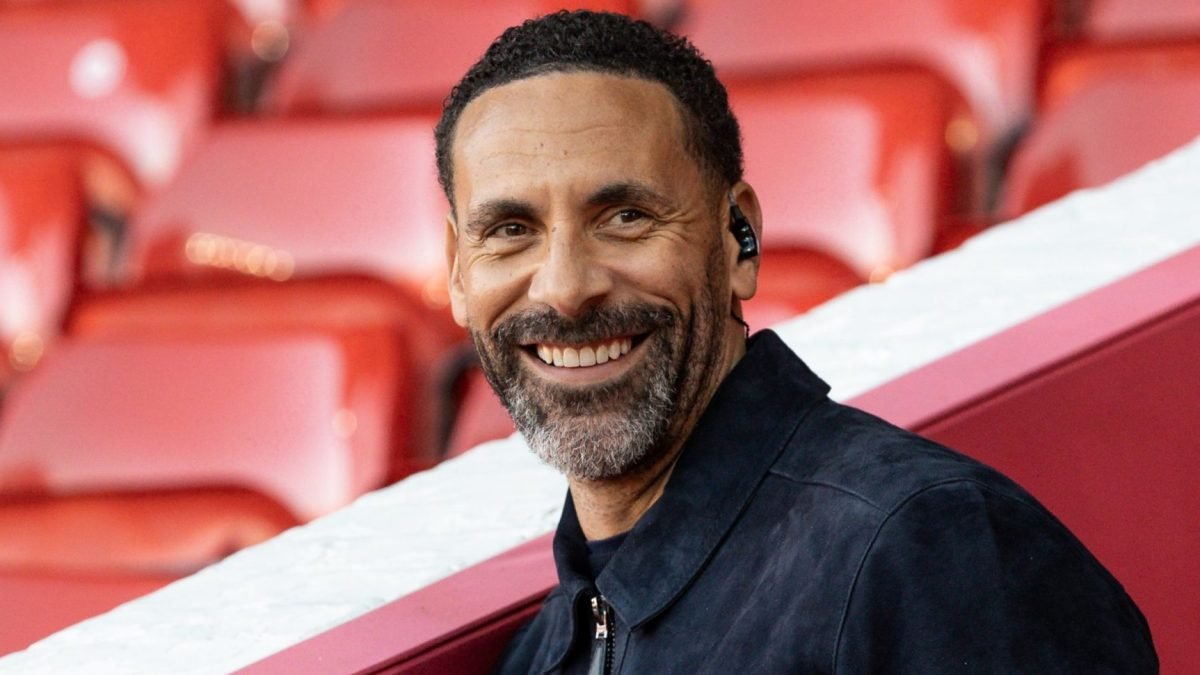
My Sporting Life is The i Paper’s look behind the curtain at what drives sports stars to greatness.This week, we speak to former England footballer Rio Ferdinand, widely considered one of the best centre-backs of his generation, who is best known for his 12-year stint at Manchester United, where he won six Premier League titles and one Champions League trophy.
Making my debut for West Ham is probably my proudest moment
From the age of seven I was hell-bent on being a professional footballer. I worked for the majority of my life trying to get there. It’s difficult to pin it on one match.
I made my debut for West Ham at 17. So that meant a great deal to me. Playing for England was another one, and then becoming a winner at Manchester United.
Ferdinand has fond memories of making his debut for West Ham (Photo: Airbnb)
As a player, there are things that you absolutely want to achieve. You want to become a professional, you want to play for your country and you want to win trophies. And I managed to achieve all three, luckily.
Iain Dowie was a good mentor to me at West Ham
He was a centre-forward but I think he spotted some potential in me. He was always giving me pointers. Obviously he used to play against me in training a lot, so he would tell me about certain things I should be doing to look my best.
The door was always open with me at Manchester United. I don’t think anyone found it difficult to talk to me. If you speak to any of the players, they would say I was one of the most easygoing guys in the changing room.
If a young player needed to talk or had a problem, they knew they could come to me for advice.
Joe Cole wouldn’t touch a football in the changing room
I didn’t notice it at West Ham, more so with England. It’s quite rare when you consider you’re going to go out and play football, you need to get a good touch of the ball and understand it and get used to playing with the football. But he made sure he never got near a ball.
Rio Ferdinand and Joe Cole on England duty in 2005 (Photo: Getty)
If you rolled the ball towards him he would jump out of the way. He wouldn’t touch it. So quite weird.
We used to just play games and try and make him touch the ball. We used to roll the ball at him all the time. He never got the hump to be fair to him. He would laugh. But he just made sure he wasn’t going to divert from his ritual.
The best piece of advice Sir Alex Ferguson ever gave me
It was the first thing he said to me, actually. I remember we were sat in his office. It was quite simple, really – he told me to work hard.
I’d been given a great opportunity. People would give their right arm, a limb, to go and put the shirt on and play football. And I carried that with me throughout my whole career, to be a professional is a privilege.
The ones that think they’ve made it don’t last long at the top. Just keep maintaining that hunger and that desire and that kind of attitude of “I haven’t made it yet”. There’s always things to learn. So to rest on your laurels is something that I wasn’t able to do. I didn’t let myself slip into that mindset.
I only had two roommates – Roy Keane and Frank Lampard
‘Lampard was more noisy – whereas Keane was just mad,’ Ferdinand says (Photo: Airbnb)
They were both very different. I can’t tell you why [laughs]. I controlled the remote control in both cases, so that was good for the TV.
Frank was a bit more noisy. Whereas Roy, I would just turn around and he would be stretching his hamstring all the time. He was just mad, but it was great.
They are both great guys. I still speak to both of them now, actually, so it wasn’t too bad. We still keep in touch.
My kids take the mick out of my YouTube channel
I love it. It’s something that I’ve always been interested in. I’m not scared to dip my toe into new things.
I was one of the early adopters of social media, definitely in the football world. Now I’ve got a business that’s doing really well, but I’m enjoying it at the same time. It’s like the best of both worlds.
Failure is a part of life. If it doesn’t work out, it’s not that bad. I’ve always been one to take risks.
Airbnb and Rio Ferdinand are launching a once-in-a-lifetime football experience, where fans can go behind-the-scenes at a podcast recording of “Rio Ferdinand Presents”, meet Rio, and attend a Fifa World Cup 2026 quarter-final match in Los Angeles. Fans can request to book “The Ultimate Quarter-Final Getaway” for free from 12 May at 10am BST at airbnb.com/rioferdinand
Enquanto combatentes policiais vestidos de preto invadiam a favela na encosta e abriam fogo, um punk vestido de preto saiu correndo da comunidade na direção oposta, com as mãos tremendo de medo.
“Puta merda! Todas aquelas armas! As coisas estão ficando feias!” balbuciou Rodrigo Cilirio, fundador e baixista de uma das bandas punk mais duradouras do Rio, enquanto se protegia atrás de uma árvore.
Foi aqui no Morro da Lagartixa, na volátil zona norte do Rio, que o grupo de Cilirio, Repressão Social (Repressão Social), nasceu há pouco mais de 30 anos: um uivo de raiva contra o ciclo implacável de violência urbana, brutalidade policial, privação e discriminação que continua a assolar as periferias das maiores cidades do Brasil.
O veterano punk Rodrigo Cilirio em sua casa na favela Morro da Lagartixa (Colina de los Lagartos), no Rio, um dia depois que um vizinho foi baleado durante uma operação policial. Fotografia: Alan Lima/The Guardian
“[Punk] é a minha maneira de deixar tudo sair para não morrer sufocado. É a minha voz”, explicou Cilirio, 47 anos, enquanto esperava que o tiroteio diminuísse perto da favela onde cresceu.
“Esse é a isso que estamos expostos”, suspirou o músico negro sobre o tiroteio daquela manhã, durante o qual um morador native foi baleado na perna. “Os punks passam pelo que todo mundo passa: balas voando e uma vida de estresse… todos os dias.”
O punk está prosperando na América Latina com o Brasil servindo como hub
Cinquenta anos depois que a cultura punk decolou nas ruas e palcos do Reino Unido, o movimento está vivo e forte no Brasil e em todo o mundo, da Indonésia e Mianmar à Colômbia e ao México.
“O sul world abraçou realmente a cultura punk como uma forma de responder aos seus próprios contextos individuais e locais… Suspeito que ela sobreviveu e se tornou world mais do que a maioria das pessoas provavelmente esperaria desde o início”, disse Kevin Dunn, autor de Punk Global: Resistência e Rebelião na Vida Cotidiana.
Evento de hardcore e punk na cidade de Varginha. Fotografia: Alan Lima/The Guardian
Dunn atribuiu parcialmente essa expansão à flexibilidade da cultura punk do tipo faça você mesmo. As bandas colombianas adotaram instrumentos indígenas tradicionais, enquanto os sons mexicanos e guatemaltecos influenciaram a cena punk do sul da Califórnia. “Ele pode se moldar a qualquer tipo de tradição musical native”, disse Dunn.
A música punk explodiu em Londres e Nova Iorque em meados da década de 1970 com bandas como Intercourse Pistols e Ramones – embora alguns tenham as suas raízes num grupo peruano chamado Los Saicos (os Psychos) uma década antes.
Dunn chamou o movimento de “uma resposta aos aspectos embrutecedores e opressivos da vida” e à frustração com o conservadorismo social, o desemprego e as promessas não cumpridas de modernização. “Havia muito descontentamento e o que o punk fez foi [capture] as formas de alienação que as pessoas sentiram… onde as forças da vida – económicas, políticas, sociais – estão todas lá em cima a atacar-nos… [Punks thought]: O mundo é uma merda e… nós vamos recuar.”
Meio século depois, os punks latino-americanos continuam a reagir, à medida que a militarização da polícia, a violência baseada no género, a corrupção, o racismo, a desigualdade e o ressurgimento da governação autoritária e da política de extrema-direita proporcionam um pano de fundo e uma motivação.
“O punk recomeçou na Europa, mas tornou-se muito mais forte aqui porque a violência é muito pior”, disse Cilirio, que perdeu numerosos amigos e conhecidos devido à violência policial mortal que afecta desproporcionalmente os jovens negros.
A cena punk do Brasil está focada nas periferias miseráveis da classe trabalhadora de cidades como São Paulo, Belo Horizonte e Rio; lugares como a favela Morro da Lagartixa, onde a Repressão Social se formou em 1995.
Uma cópia do primeiro álbum do Represión Social, Police Brutality, de 1995. Fotografia: Alan Lima/The Guardian
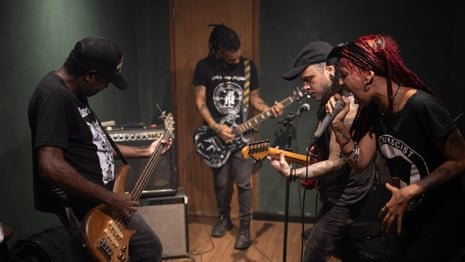
“É sobre violência policial. É sobre pobreza. É sobre todas as pessoas que vivem nas ruas. Lidamos com tudo isso [in our songs]”, disse Cilirio, a quem os amigos chamam de Abutre (Abutre) por causa de seu traje religiosamente preto, disse durante um ensaio da banda na noite de sexta-feira, alimentado por conhaque de gengibre barato e cigarros.
O músico comparou a sua cidade socialmente dividida ao Brasil da period colonial, quando os ricos escravizadores viviam em residências opulentas chamadas “casa grande” e os seus trabalhadores em bairros chamados “senzala”. “Esta é a senzala moderna”, disse Cilirio sobre as deprimidas favelas de tijolos vermelhos que cobrem as colinas ao redor de sua casa. “Eles baniram todos aqui para os subúrbios… e tudo o que importa é a nossa mão de obra barata.”
A vocalista da banda, com dreadlocks escarlates, Vic Morphine, que mora na favela mais antiga do Rio, a Providência, disse que se sentiu atraída pelo punk por sua indignação com a injustiça social e a violência contra as mulheres. “Sentimos raiva – e temos motivos para estar com raiva”, disse Morphine, 31 anos, chamando o punk de uma forma de “expressar toda a minha indignação na minha maneira de ser, no meu estilo, na minha voz e na música que faço”.
Banda punk brasileira Repressão Social pratica no Rio de Janeiro – vídeo
A cantora incluiu o punk brasileiro em uma longa história de resistência e revoltas, incluindo a revolta escrava dos Malês de muçulmanos africanos em 1835 e a Guerra de Canudos em 1896.
Vic Morphine, vocalista do Repressão Social, no palco. Fotografia: Alan Lima/The Guardian
Em um present recente, Morphine, descalço, lançou uma versão febril de uma música que criticava a barbárie da vida no século XXI. “Massacres! Assassinatos!… Eles sequestram você! Eles matam você! Não há mais esperança!” ela gritou no microfone enquanto um poodle mestiço com um moicano rosa circulava no mosh pit.
A cultura punk se espalhou muito além das grandes cidades brasileiras desde que chegou à terra do samba e da bossa nova no ultimate da ditadura de 1964-85.
Num domingo recente, muitos fãs de música reuniram-se numa pista de skate numa cidade rural chamada Varginha para assistir a bandas de punk e hardcore, incluindo a Repressão Social, embora no verdadeiro estilo punk a banda carioca não tenha comparecido.
Rodrigo Cilirio segura um artefato de seu acervo. Fotografia: Alan Lima/The Guardian
Moshing no centro do círculo estava Willkesley Franciscato, um punk de 35 anos com uma tatuagem de círculo A no bíceps. “O punk tem essa ideologia realmente virulenta, como um vírus. Tem a capacidade de contaminar pessoas que estão fartas de tudo… O punk contamina todos que se identificam com essas questões de liberdade, de igualdade, de acreditar num futuro melhor”, disse Franciscato.
O punk mais velho de Varginha, Kleberson Eugênio da Silva, de 45 anos, acreditava que o ressurgimento da cultura punk em curso no Brasil havia chegado na hora certa.
Durante a presidência de extrema direita 2018-2023 de Jair Bolsonaro skinheads neonazistas surgiram da tocaencorajado pela sua retórica radical e racista, afirmou Silva. “Foi um grande gatilho para esses caras saírem para a rua… Antes eles se escondiam… agora você vê eles desfilando por todo lado. Não podemos permitir que isso cresça”, disse o punk que tem uma cicatriz na barriga por ter sido esfaqueado durante uma briga com um idiota brasileiro.
Vinte e quatro horas depois da operação policial no Morro do Lagarto, a calma voltou enquanto Cilirio avançava pelas ruas desertas cobertas de pichações glorificando a gangue native do tráfico.
Em uma sala desordenada, ele exibiu um tesouro de memorabilia da contracultura: fitas demo com orelhas, camisetas serigrafadas e panfletos anarquistas.
Objetos da coleção de memorabilia da contracultura de Rodrigo Cilirio. Fotografia: Alan Lima/The Guardian
Gritos de guerra punk ecoavam nas páginas coladas de zines punk escritos à mão numa mistura de inglês e português. “Revidar… Vômito do inferno… Foda-se o nazista… Armas não matam a fome!… Resistam!” Pendurada em um varal havia uma camiseta estampada com o desenho de um punk com máscara de esqui decapitando Donald Trump com uma faca de caça.
“É um museu”, disse Cilirio exibindo o primeiro disco do seu grupo, um incêndio de 14 faixas de fúria anti-establishment de alta octanagem chamada Brutalidade Policial.
Um zine de sua coleção continha a letra de uma faixa de 1981 do Discharge, um grupo de hardcore punk de Stoke-on-Trent cujas palavras capturaram perfeitamente a futilidade da “guerra às drogas” do Rio. “É tudo uma farsa”, disseram eles. “Uma bala perdida mata uma criança inocente. Nada se ganha e nada se resolve.”
Outra folha de letra foi escrita por Cilirio para celebrar a marcha world imparável de seu movimento. “Somos punks suburbanos. Punks de favela. Punks do terceiro mundo”, escreveu ele, antes de proclamar: “A cultura punk nunca morrerá”.
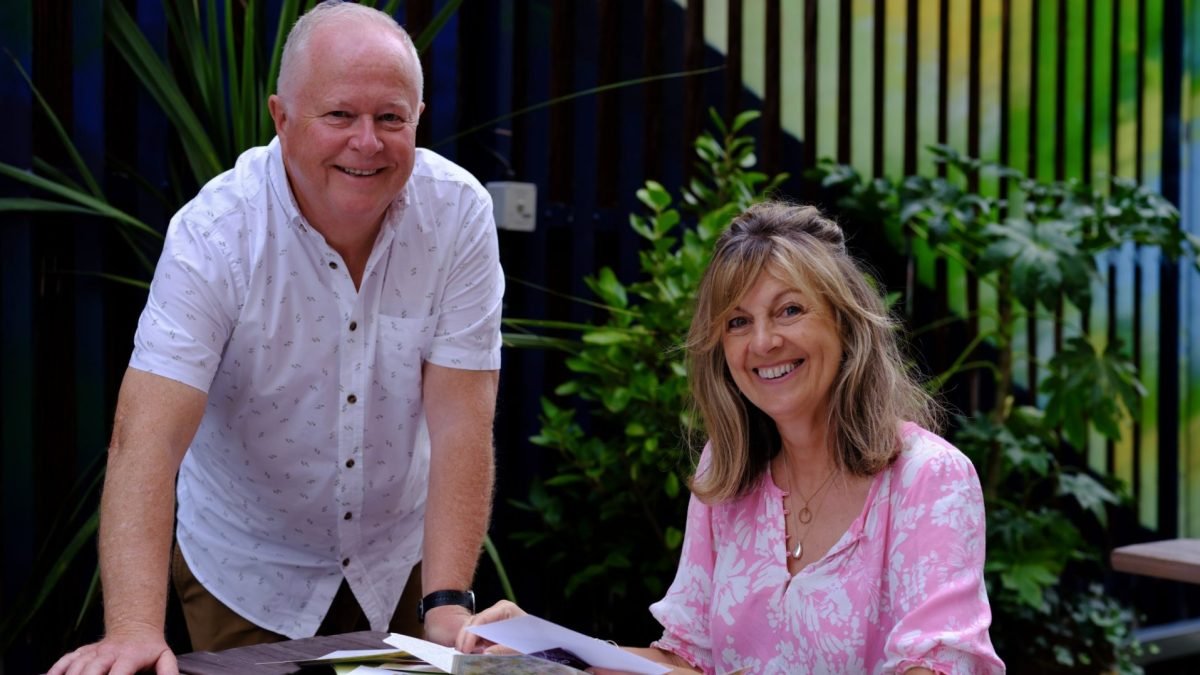
Alison Hitchcock and Brian Greenley had only been friends for six months when he was diagnosed with stage three bowel cancer. As such, when they met for a catch up in June 2010, Brian didn’t intend to share his news.
“She was really just an acquaintance rather than a close friend,” he tells me, the pair having first met on holiday the year before. “But I blurted it out and told her that I had cancer. Two weeks later, to my surprise, on the doormat was a handwritten letter from Alison.”
“When Brian first told me he had cancer, I just felt really awkward and helpless and I didn’t know what to say, because I didn’t really know him that well,” Alison explains. “I didn’t really want to get too involved, but I felt like I had to do something that was in some way helpful.”
And so, she put pen to paper. It ended up being the first of more than 100 letters that Alison sent to Brian over the two years that he was going through treatment – letters that proved to be a vital source of companionship.
“As Brian and I got to know each other better, he started to say that one of the unexpected side effects of cancer is that he had times when he felt lonely,” she says. “Brian has such a big social circle that of all people, I never thought that he would say that.”
“Alison’s letters made me laugh, they cheered me up, and they did the trick of distracting me,” Brian says. “I used to take them to my chemotherapy sessions and read them at a time when I couldn’t really concentrate on a newspaper or a book or much else. Those letters were just perfect.”
In 2013, Brian got his first all clear and the letters stopped. Then, they decided to get in touch with BBC Radio 4’s The Listening Project – a programme which called for members of the public to volunteer to have a conversation with someone close to them recorded by their local radio station. In the 2016 Christmas Day special, it broadcasted the story of how their friendship blossomed through the letters.
Alison Hitchcock decided to set up the charity with an organised programme in which people write letters without knowing who the recipient will be
Soon after it aired, a neighbour told Alison that he had been inspired to send letters to his own friend in Australia who had recently been diagnosed. But two weeks later, the neighbour returned to Alison’s door. “He came back to me and said, ‘ I don’t know what to write. What do you write to someone who’s got cancer?’”.
In response, Alison started running online writing workshops to guide people through penning their first letter – an initiative she called From Me To You. “At first it was just to say, ‘if you’ve got someone in your life who has cancer, don’t turn your back on them because you don’t know what to say. Just send them a card or a letter to let them know that you’re thinking of them’”.
But it soon became much more than that: “Increasingly, people were saying [they would] like to write more letters and asked us who they could send them to.”
Inspired, Alison decided to set up From Me to You as a charity with an organised programme in which people write letters without knowing who the recipient will be. It now has thousands of volunteer writers around the world, over 50 partner hospitals and cancer centres and hundreds of people who receive them at home every month. In 2025 alone, the charity sent more than 17,000 letters from strangers to people going through cancer treatment in hospital or at home.
54-year-old Anne Bailey from Belfast was one such volunteer letter-writer. Then, in October 2022, she was diagnosed with a rare incurable metastatic Neuroendocrine Cancer and concomitant carcinoid syndrome and suddenly found herself on the other side of the table.
“I was really hesitant about asking for a letter because it seemed like a big deal, expecting someone I had never met to write to me,” she says. “But it made such a difference. When you have an illness that won’t go away, it changes the way that you think about yourself and the way that you think about your place in the world. I was a teacher, I was head of a department, I had a busy life – and then suddenly none of that was true.”
The letters offered comfort throughout not only her treatment, but the tragic losses that followed, including the sudden death of her husband two years after her diagnosis and the passing of her father the day before she went in for life-extending surgery.
“Throughout all of this, From Me To You has been one of the loveliest and most encouraging aspects of life – and a genuine reminder of the power of hope and kindness in hard situations,” she says.
Anne Bailey and her West Highland Terrier Thorin
Handling physical letters brings logistical complications – every note is read by one of 10 volunteers to check if the contents are appropriate before being posted onwards – but Brian emphasises that the physicality of a letter is crucial for patients. “I would sometimes save the letters until I went to treatment. With an email, you open it straight away. Do you ever revisit and re-read an email? Unlikely. Do you ever go back and re-read a text? Not likely. With a letter, you’ve got something that you can touch and feel.”
And in the age of convenience, Brian adds that the relative inconvenience of writing a letter brings a personal touch. “Over time, emails have gotten shorter. Texts have become shorter. Even words and texts have become abbreviated. But a letter is still written in long hand, and the words are fully formed. I think that makes it more meaningful, too.”
While the charity is now best known for its letter donations, it still runs regular workshops online for those wanting to get involved in writing – and partner organisations and volunteers have begun to host in-person sessions in community hubs across the country, too.
Helen* and her family spent their Easter Monday at a drop-in letter writing session at St Barts Hospital in East London. During the session, her young daughter tells me that she wrote a funny story about their family dog in her letter: he was recently on a bus and scooted forward a few inches every time the driver braked, until he was halfway down the aisle and still none the wiser. We laugh at her animated retelling of the story, which she’s illustrated on paper using the coloured pens neatly arranged on the table. “If I was feeling rubbish, I think that would make me smile,” her mum responds.
For this family, attending the session was also connected to an important part of their own recent history. Their teenage son, who is also at the workshop, went through treatment for leukaemia two years ago; an experience that affected the family deeply. “We wanted this to be a cathartic process,” Helen tells me. “I want him to know that he doesn’t have to bury it or carry that around with him – it’s part of his story.”
It’s a catharsis that others have also found through writing, according to Brian. “The feedback we get from writers is that they got something out of it for themselves. Spending time alone writing a letter was meditative for them, or gave them time to distract themselves from where they were in that moment of writing.”
Alison and Brian with a box full of letters. The two had only been friends for six months when he was diagnosed with stage three bowel cancer
Anne has continued to write letters for others – and considers them even more important now. “I have found it has really enhanced my daily life and made me more grateful, because if something lovely happens, I think, ‘oh, that’s going to go in a letter’,” she smiles. “It definitely has made me more observant of the lovely things that can happen on an ordinary day.”
For those keen to write but feeling intimated by the process, Alison and Anne both recommended attending one of the charity’s writing workshops – and caution against overthinking.
“The loveliest letters are the ones that observe the little details, just the ordinary things in life,” says Anne, sharing that one letter that stood out for her arrived when she was bedridden, from a lady in Cornwall who described the smell and taste of the salty sea air.
“I tried to put sensory descriptions into [my letters now],” she adds, “because you don’t know if the person is in a hospital bed, or if they’re in bed at home, or if they’re trying to get on with life as much as they can. So reminding people of the beauty of ordinary things is important.”
And she emphasises how the impact of these letters is less to do with the sophistication of its contents, and more with the feeling of connection that comes from a selfless gesture.
“These acts of kindness really felt like they were bringing light into dark situations,” she says. “It reminds you that the world is a lovely place with wonderful humans in it who are doing things like this.
“The people who wrote me letters will never hear from me, they’ll never hear that this really mattered to me, but they do it anyway – and that is very special.”
1º de maio de 2026; Washington, Distrito de Columbia, EUA; O arremessador do Milwaukee Brewers, Jacob Misiorowski (32), arremessa contra o Washington Nationals durante o primeiro turno no Nationals Park. Crédito obrigatório: Geoff Burke-Imagn Photos
Jacob Misiorowski fez um no-hitter no sexto inning antes de sair com uma cãibra, William Contreras teve quatro rebatidas e os Milwaukee Brewers venceram o anfitrião Washington Nationals por 6 a 1 na sexta-feira.
Misiorowski saiu do jogo com uma cãibra no tendão direito depois de lançar um arremesso para James Wooden com um eliminado no sexto. Aaron Ashby entrou e levou o lance sem sucesso para o sétimo, antes do bloop double de Daylen Lile.
Contreras teve quatro rebatidas pelo segundo jogo consecutivo e fez três corridas. Tyler Black fez duas duplas para Milwaukee, que venceu quatro de cinco.
Misiorowski (2-2) foi dominante, rebatendo oito e caminhando dois. Ele retirou os últimos 12 rebatedores que enfrentou, os quatro finalistas por eliminação. Misiorowski lançou 43 arremessos a mais de 160 km/h, o terceiro maior número em um jogo na period do rastreamento de arremesso (2008), de acordo com MLB.com.
Depois de lançar um golpe de 98,9 mph para Wooden, Misiorowski saiu do monte e olhou para o banco de reservas. O técnico Pat Murphy e o treinador do time apareceram e Misiorowski deixou o jogo.
Três arremessadores Brewers combinados em dois rebatedores. Ashby fez 2 2/3 frames e Easton McGee lançou um nono sem rebatidas.
O titular do Washington, Jake Irvin (1-4), desistiu de quatro corridas (três ganhas) em seis rebatidas em cinco entradas.
Os Brewers conseguiram uma vantagem rápida de 1-0. Garrett Mitchell abriu o jogo com uma dobradinha, foi para o terceiro no chão e marcou no passe.
Na terceira, David Hamilton caminhou e roubou o segundo lugar. Brice Turang caminhou e Contreras alinhou para o centro, marcando Hamilton.
Com um eliminado no quinto, Turang e Contreras escolheram e Jake Bauers caminhou. Luis Rengifo acertou na escolha de um defensor para marcar Turang, e Black dobrou, trazendo Contreras para casa e fazendo 4-0.
CJ Abrams caminhou em oitavo, foi para terceiro na dobradinha de Lile e marcou no chão de Brady Home, puxando Washington para 4-1.
Os Brewers carregaram as bases com duas simples e um erro sem eliminações no oitavo. Andre Granillo eliminou Mitchell e fez Turang saltar, mas Contreras acertou um único para a direita, marcando duas corridas.